
Updated
On this page
The fastest way to understand a Colombian city is to eat your way through it, and the country makes that easy. Food here is generous, regional, and built for sharing: a fried arepa handed over from a street cart, a bowl of soup that takes the chill off a Bogotá afternoon, a fish lunch eaten in the shade of a coastal market. But the real reward is going hands-on. Instead of only reading a menu, you can spend a morning tasting fruit you have never heard of, learn to fold an empanada in a local kitchen, or grind roasted cacao into your own bar of chocolate.
This page is about those food experiences: the market tours, cooking classes, street-food crawls, and cacao and coffee workshops that turn a good meal into something you take part in. If you want a dish-by-dish rundown of what to order and where each specialty comes from, that is a separate guide, noted at the end. Here the focus is on how to get your hands dirty, roughly what it costs, and how to book well.
Market Tours
Colombia’s food markets are loud, overwhelming, and completely worth it. They are also the single best-value food experience in the country, because a good guide turns a wall of unfamiliar produce into a two-hour tasting.
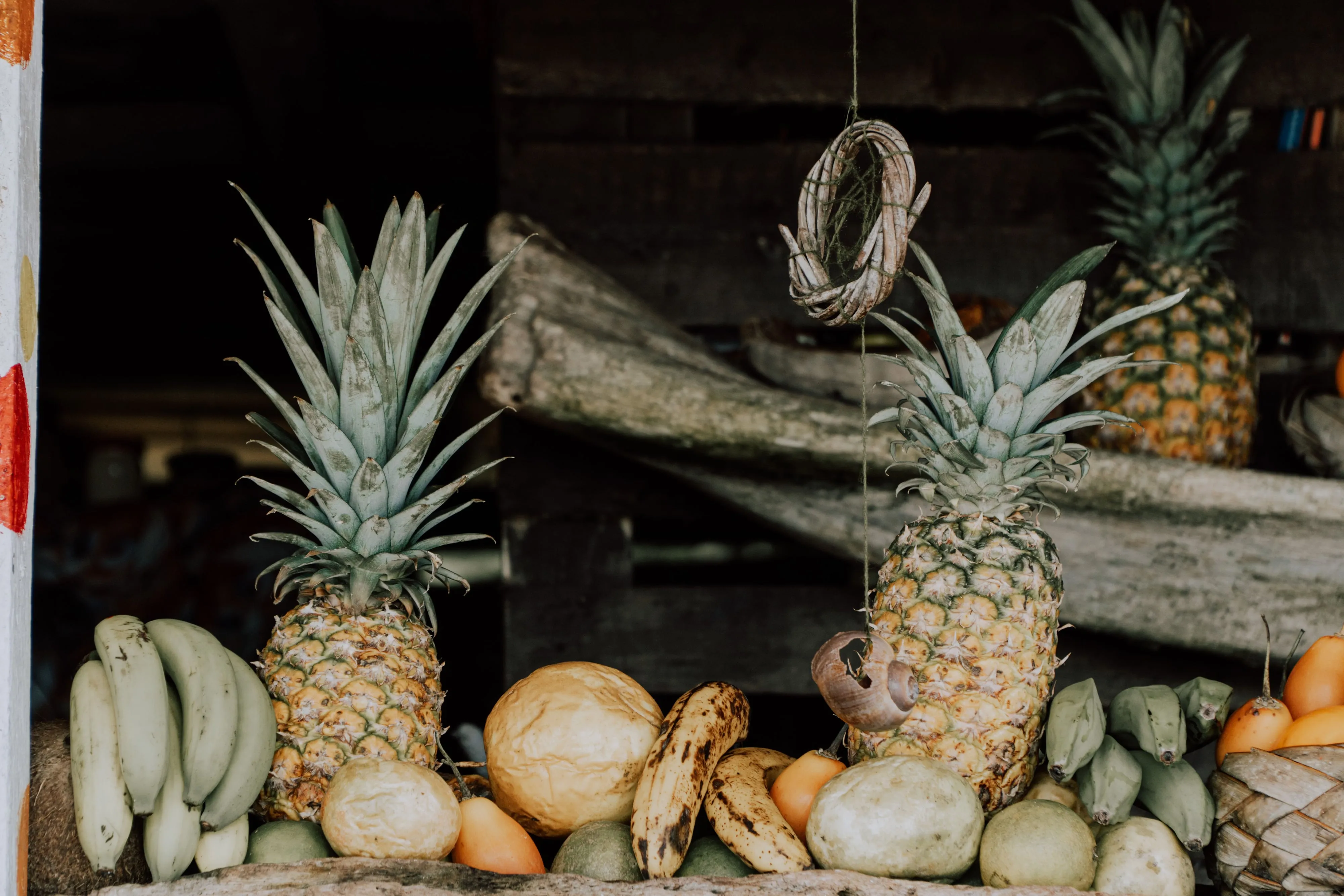
In Bogotá, the landmark is Plaza de Mercado de Paloquemao, a sprawling market near the center that has been feeding the city since the early 1970s. It opens before dawn and is at its liveliest from around 6:00 AM to 10:00 AM, when the flower hall, the fruit stalls, and the small breakfast counters are all in full swing. The draw for visitors is the tropical fruit: lulo, mangostino, guanábana, granadilla, and a dozen more, most of them halved and handed to you to try on the spot. Guided market tours generally run around COP 180,000 to 300,000 (about USD 56 to 93) per person and usually fold in a traditional breakfast and tastings from eight to ten vendors. You can also simply turn up and wander for the price of what you taste, though a guide is what unlocks the names, the flavors, and the etiquette.
On the coast, Cartagena has Mercado de Bazurto, a very different animal. This is the working market that feeds the whole city, a chaotic maze of fish stalls, spice sellers, fruit vendors, and tiny lunch counters, with none of the polish of the walled Old Town. It is a genuinely fascinating cultural experience and the most authentic food outing in the city, but it is raw: crowded, pungent, and not set up for tourists. Go with a local guide, visit during the daytime bustle rather than the edges of the day, keep your valuables close, and treat it as the neighborhood’s kitchen rather than an attraction. Guided Bazurto tours typically last a few hours and cost roughly COP 160,000 to 220,000 (about USD 50 to 69) per person, usually with fruit tastings and a coastal lunch worked in. If you are weighing it up, our Cartagena guide and the general Colombia safety guidelines are worth a read first.
A few practical notes for any market visit:
- Go hungry and go early. The best produce and the busiest, friendliest atmosphere are in the morning.
- Bring small cash. Vendors deal in pesos, and cards are rarely an option.
- Ask before you photograph. These are people’s livelihoods, and a little courtesy goes a long way.
Cooking Classes
A cooking class is the natural next step after a market, and many are built to follow one: you shop for ingredients with the cook, then head to a kitchen to turn them into lunch. It is one of the most sociable things you can do as a traveler, and you leave knowing how to recreate a dish or two at home.
Classes run the full range. In Cartagena you can learn to make ceviche and coconut rice, or master the coast’s beloved arepa de huevo. In Medellín and Bogotá, home cooks teach the paisa and highland staples, from empanadas to a proper ajiaco. Formats vary from casual small-group sessions in a home kitchen to more polished experiences with a chef. Entry-level group classes start from around COP 80,000 (about USD 25) per person, while longer or more private, market-to-table experiences with a local host run higher, commonly COP 180,000 to 360,000 (about USD 56 to 110). When you book, check whether the market shop is included, whether the class is hands-on or demonstration-only, and what dietary options exist, since Colombian home cooking leans heavily on meat.
Street Food Crawls
Colombia eats on the street, and a guided street-food crawl is the low-stress way to dive in without wondering which cart to trust. A guide walks you between vendors, orders the good stuff, and explains what you are eating, which matters when the menu is a cart and a hand-painted sign.
The coast is the spiritual home of this. In Cartagena, evening crawls usually center on Getsemaní and Plaza de la Trinidad, where vendors set up as the heat fades: arepa de huevo, carimañola (a stuffed yuca fritter), butifarra sausage, fresh fruit, and coastal ceviche, often finished with a cold beer or a fruit juice. Group street-food tours in Cartagena generally cost around COP 120,000 to 180,000 (about USD 37 to 56) per person for a couple of hours and eight to ten tastings, and they double as an easy introduction to the neighborhood. Bogotá and Medellín have their own crawls too, leaning on empanadas, arepas, obleas, and the endless variety of street fruit.
If you would rather explore on your own, you can eat very well for very little, since individual street items typically run just a few thousand pesos each. Stick to busy stalls with high turnover, watch how the food is handled, and start with cooked items while your stomach adjusts to a new place.
Cacao and Coffee Workshops
Colombia is a cacao country as well as a coffee one, and both beans come with hands-on workshops that are a highlight in their own right.
Chocolate workshops are especially rewarding in Medellín, where bean-to-bar sessions walk you through roasting cacao, grinding it on a traditional stone molino, and shaping your own chocolate, often using cacao from the Caribbean’s Montes de María. Sessions typically last two to three and a half hours and cost around COP 180,000 to 200,000 (about USD 56 to 62) per person, and you go home with what you make. They run in both English and Spanish, so it is worth confirming the language when you book.
Coffee is the other great origin experience, and it deserves a trip of its own. On a working finca you can pick ripe cherries at harvest, learn how the bean is processed and roasted, and taste a single-origin cup that bears no resemblance to what most people drink at home. Rather than repeat it here, we have a full guide to Colombia’s coffee culture and the Eje Cafetero, including farm-tour costs, the best towns to base yourself, and how to get around the region.
Eating Regionally
Colombian food changes completely as you move across the country, so where you eat shapes what you eat. The hearty bandeja paisa belongs to Antioquia around Medellín; ajiaco is the comfort food of highland Bogotá; and the coconut rice, fried fish, and ceviche of the Caribbean are the taste of Cartagena and the coast. Building a trip that moves between these regions is the surest way to eat the full range, and our city guides point you to the neighborhoods and dishes worth seeking out in each.
The experiences on this page are about taking part in that food culture rather than just ordering from it. For the companion piece, a first-timer’s dish-by-dish guide to what to eat and where, we have a dedicated Colombian food guide publishing soon on the blog. Between the two, you should be able to arrive hungry and eat like you know the place.