
Updated
On this page
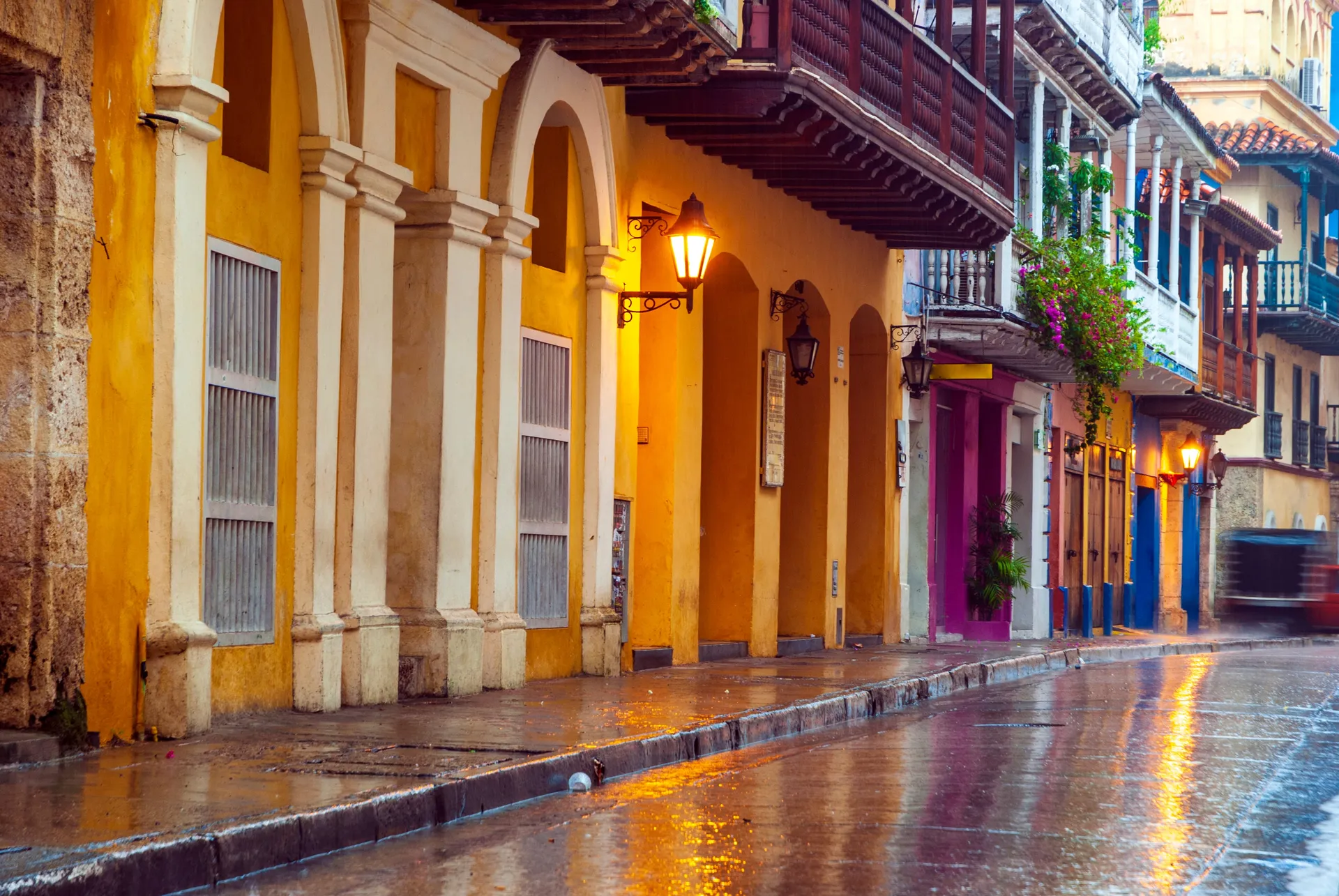
Cartagena de Indias sits on Colombia’s Caribbean coast like a living postcard: coral-stone walls, bougainvillea-draped balconies, and the constant hum of champeta drifting from Getsemaní’s plazas. Walk its cobblestone streets at dawn, before the cruise crowds arrive, and come back at sunset, when the fortress walls glow gold. The city rewards visitors who plan for heat, humidity, and a pace that matches the tropics.
This essential guide covers what first-time visitors need before exploring Castillo San Felipe, island beaches, and the walled city’s museums. From choosing where to base yourself to navigating taxis and Transcaribe buses, it will help you arrive prepared. Whether you’re here for history, a beach extension, or a romantic getaway, Cartagena has a rhythm worth learning before you land.
About Cartagena
Cartagena de Indias is the capital of Bolívar department, with about 1 million residents (DANE’s 2026 projection). Founded in 1533, it was one of the most important ports of Spain’s American empire. Today its UNESCO-listed walled city, the Castillo San Felipe de Barajas, and the surrounding fortifications make it Colombia’s best-known destination.
The historic center divides into three main barrios: Centro, San Diego, and Getsemaní just outside the walls. Each offers distinct architecture, from wooden balconies and coral-stone walls to terracotta roofs and street art that has transformed Getsemaní into one of the coast’s liveliest neighborhoods.
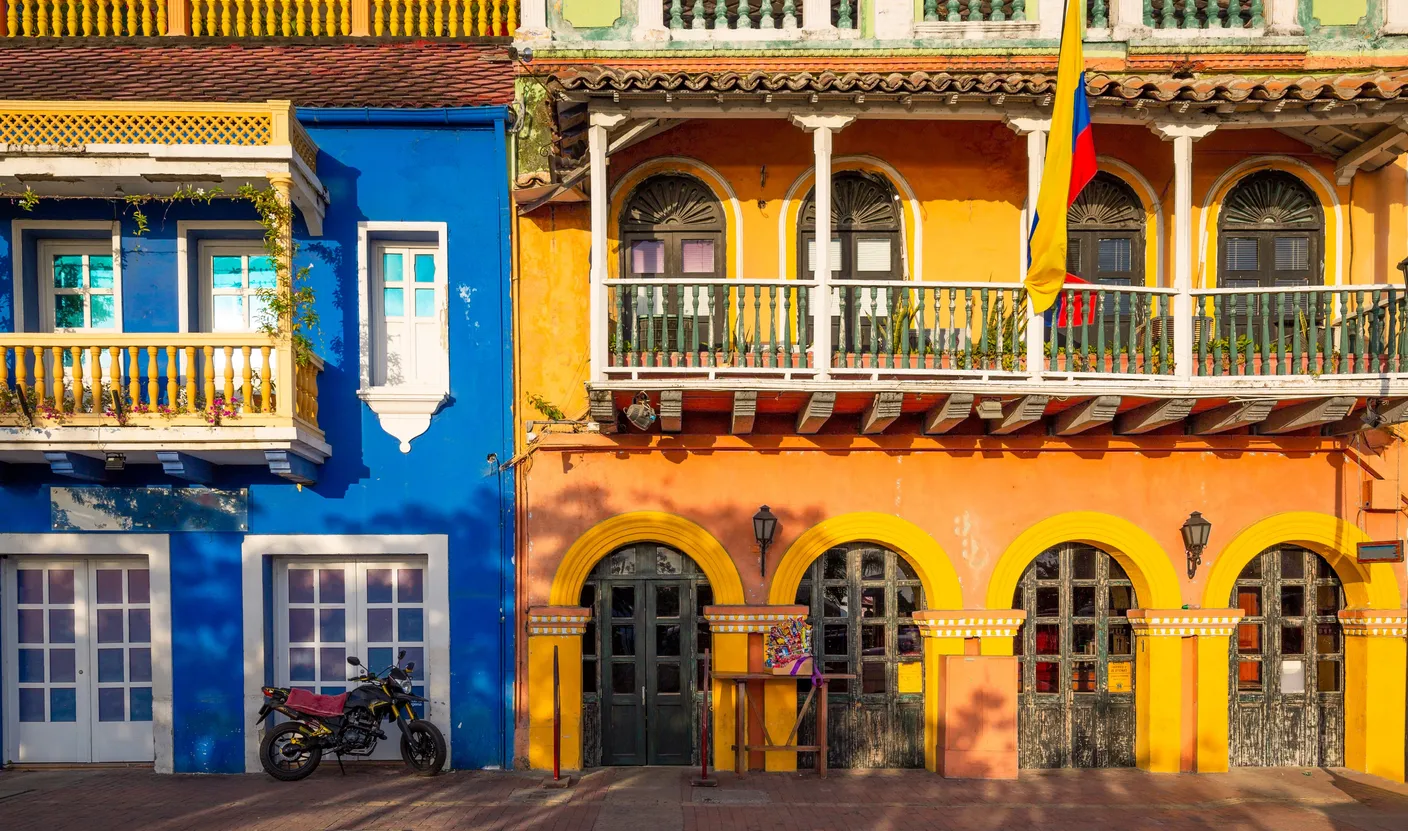 Cartagena’s walled center is known for bold facades, wooden balconies, and bougainvillea-draped streets.
Beyond history, Cartagena connects to the Rosario Islands, Playa Blanca, and a thriving food scene that blends Caribbean, African, and Spanish influences. For beaches, day trips, and deeper attraction coverage, see our full Cartagena city guide.
Quick Facts About Cartagena
Cartagena’s tropical climate and compact historic core make it one of Colombia’s most accessible destinations for first-time visitors. These basics help with planning.
Spanish is the official language. Cartagena’s coastal accent can be fast, but tourist areas and hotels often have English speakers. The Colombian Peso (COP) is used everywhere, and Colombia remains on UTC-5 year-round.
| Fact | Value |
|---|---|
| Population | About 1 million (2026 projection by DANE) |
| Elevation | Sea level (coastal) |
| Language | Spanish |
| Currency | Colombian Peso (COP) |
| Time Zone | UTC-5 (no daylight savings) |
| Daytime temperature | Around 30°C (86°F) all year |
| Emergency number | 123 |
Sea temperatures stay between 27°C and 29°C year-round, ideal for swimming and island day trips.
Understanding Cartagena’s Layout
Cartagena hugs the Caribbean coast with the historic walled city on a peninsula jutting into the bay. Modern districts stretch south along the waterfront to Bocagrande, while the airport sits a few kilometers north of the old town, in Crespo.
Distances are short. The walled city and Getsemaní connect on foot in minutes. Bocagrande lies a few kilometers to the south, best reached by taxi or TransCaribe when the midday heat hits.
Key areas to remember:
- Centro Histórico: The walled colonial core; best explored on foot
- Getsemaní: Street art, nightlife, and budget-friendly stays just outside the walls
- Bocagrande: Modern beachfront strip with high-rise hotels
- La Boquilla: Fishing village north of the city; mangrove tours and local beaches
Cartagena moves slowly in the heat. Plan morning sightseeing, a midday break, and evening walks when temperatures drop and plazas come alive.
Key Districts
Where you stay shapes your Cartagena experience as much as any single attraction. These four areas cover most visitor needs.
Centro Histórico (Walled City)
The walled city holds Cartagena’s densest concentration of colonial architecture, museums, and fine dining. Plaza Santo Domingo, Las Bóvedas, and the Clock Tower Gate anchor a maze of narrow streets best explored without a fixed schedule.
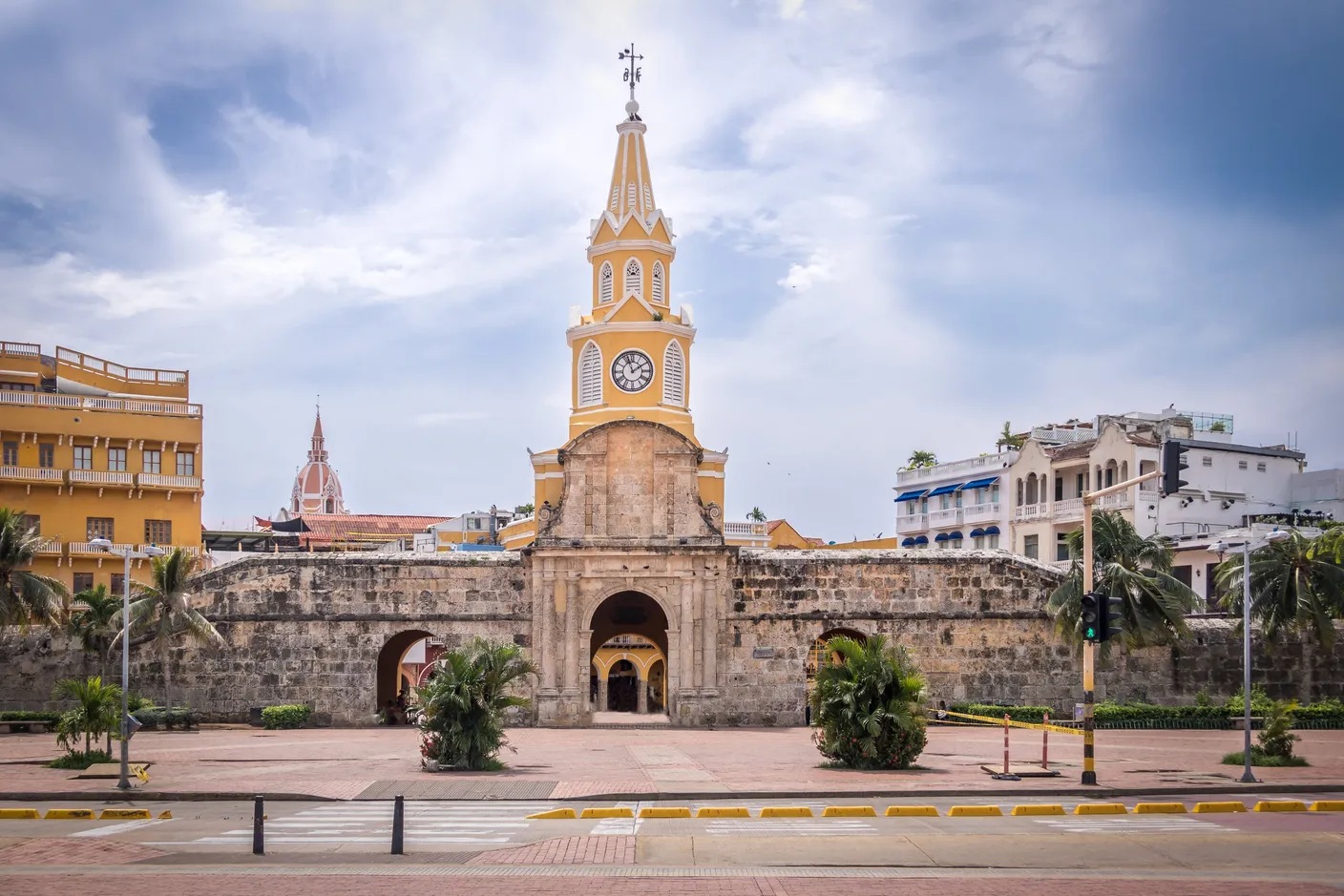 The Torre del Reloj is the main entrance to Cartagena’s walled historic center.
Hotels inside the walls command premium prices, especially December through March. The atmosphere is magical but crowded during peak season and cruise-ship days. Ideal for history lovers and travelers who want to step out directly onto cobblestone streets.
Getsemaní
Getsemaní has evolved from a working-class barrio into the city’s creative heart. Murals cover walls, Plaza de la Trinidad fills with street food and music at sunset, and hostels and boutique hotels offer better value than the walled city.
The neighborhood suits younger travelers, nightlife seekers, and anyone who wants local energy. Its busy streets and plazas are lively into the night, but the quieter side streets carry more risk late at night, so take a taxi back to your hotel after midnight rather than walking.
Bocagrande
Bocagrande is Cartagena’s modern face: high-rise hotels, a long beachfront malecón, casinos, and international chain restaurants. The beach is urban rather than pristine, but convenience and air-conditioned comfort appeal to families and luxury travelers.
Expect higher prices and a less colonial atmosphere. Bocagrande works well for beach time combined with occasional trips to the historic center by taxi or Transcaribe.
Castillogrande and Manga
Castillogrande, at the tip of the Bocagrande peninsula, is quieter and more residential, popular with wealthy Cartageneros. Manga, an island across the bridge southeast of Getsemaní, has leafy streets and early 20th-century mansions, with far fewer tourists.
Both suit visitors who want calm waterfront walks and local dining away from the walled city’s intensity. Taxis or short rides connect you to Centro in minutes.
Weather and When to Visit
Cartagena stays warm year-round. The main variable is rain, not temperature.
By season
- Dry season (December-April): Minimal rain, trade winds from November to March, and peak tourist numbers. Book hotels and restaurants early for December-January and the Hay Festival in January.
- Wet season (May-November): Afternoon showers, higher humidity, and lower hotel rates, with October usually the wettest month. September to November are the quietest months.
- Shoulder (April, late November): A balance of decent weather, moderate prices, and manageable crowds. November’s Independence celebrations add local color.
Rain rarely lasts all day. Morning plans usually survive even in wetter months if you build flexibility into afternoons.
Heat and Hydration
Cartagena’s humidity and 28-32°C temperatures demand a different pace than Andean cities like Bogotá or Medellín.
- Schedule outdoor sightseeing for early morning and late afternoon
- Carry water constantly; dehydration sneaks up in humid air
- Wear light, breathable fabrics, a hat, and high-SPF sunscreen
- Take midday breaks in air-conditioned museums, cafes, or your hotel
- Accept that you will sweat; locals move slowly for good reason
Beachwear belongs at the beach. Restaurants, churches, and the walled city expect covered shoulders and knees. Pack a light cover-up for transitions between pool and plaza.
Essential Safety Tips
Most problems visitors run into in Cartagena are theft, overcharging, and scams, concentrated in the busy tourist areas. The UK FCDO names the Caribbean coast among the places where pickpocketing, mugging, and armed robbery are a problem; our comparison of the government advisories has the details, and our Colombia safety guide covers everyday precautions.
Do’s
- Store valuables in hotel safes when exploring
- Use registered taxis or ride-hailing apps with upfront pricing
- Book island and city tours through established operators with a Registro Nacional de Turismo (RNT) number
- Carry cash in small denominations for vendors and tips
- Stay alert in crowded plazas, especially around midday and in the evening, when they are busiest
Don’ts
- Display expensive jewelry, watches, or phones in crowded markets
- Accept tours or boat trips from aggressive street touts at the port
- Walk empty beaches or quiet streets alone late at night
- Hand over cash to anyone offering a tour or a boat at the pier before checking what it includes
- Ignore the sun; heat exhaustion is one of the most common problems visitors face here
Getting Around
Cartagena rewards travelers who match transport to distance and heat. The Walled City and Getsemaní are walkable; Bocagrande, the airport, and island piers require wheels.
Our detailed guide to getting around Cartagena covers Transcaribe routes, taxi fares, ride-hailing apps, boat transfers, and airport connections. In brief:
- Walking: Best for Centro and Getsemaní; start early or after 4 PM
- Taxis and apps: taxis are unmetered, so agree the fare before you get in; from the airport, fares are fixed by zone and posted at the official taxi stands. Ride-hailing apps also operate
- TransCaribe: the city’s bus rapid transit; COP 3,900 (about USD 1.20) a ride in 2026, payable with a contactless Visa card or phone as well as the system’s card
- Boats: Required for Rosario Islands, Playa Blanca, and Barú; book through reputable operators
Pre-book airport transfers for arrivals after 22:00 when public options thin out.
Essential Spanish Phrases
Cartageneros appreciate polite Spanish even in tourist zones:
- “¿Dónde está…?” (Where is…?)
For finding plazas, the clock tower, or your hotel. - “¿Cuánto cuesta?” (How much?)
Essential at markets, for taxis, and boat tours. - “¿Descuento?” (Discount?)
Acceptable at artisan markets like Las Bóvedas; not in restaurants. - “No entiendo” (I don’t understand)
Invites slower speech or simpler words. - “¿Habla inglés?” (Do you speak English?)
Useful at hotels and tour desks. - “Gracias” / “Por favor” (Thank you / Please)
Basic courtesy goes far in a city that values presentation and manners.
Money Matters
Cartagena accepts cards at established hotels and restaurants, but street vendors, small cafes, and boat operators expect cash.
Currency tips
A few prices worth knowing in 2026:
| Expense | Cost |
|---|---|
| Gold Museum (Museo del Oro Zenú) | Free |
| Castillo San Felipe, foreign visitors | COP 38,000 (about USD 12) |
| TransCaribe ride | COP 3,900 (about USD 1.20) |
| Minimum taxi fare | COP 12,250 (about USD 4) |
For meals, island trips, and daily budgets, see our guide to what a trip to Colombia costs.
Use ATMs inside banks or shopping centers, and check what your bank charges for foreign withdrawals. Exchange money in the city rather than at the airport. Restaurants usually add a suggested 10% service charge (propina voluntaria) to the bill, which you can decline.
Emergency Contacts
The number for all emergencies in Colombia is 123. It is free from any phone in the country, including a foreign phone on roaming, and you dial it as it is, with no +57 prefix.
See our full emergency contacts for Colombia for embassy numbers, fire, and police details.
Tourist police patrol the historic center and Bocagrande. Cartagena has private clinics used to treating visitors, but foreign patients are usually asked to pay up front, so travel insurance covering medical care and theft is essential.
What’s Next?
This first-day itinerary balances history, culture, and Cartagena’s essential rhythm:
| Activity | Estimated time | Notes |
|---|---|---|
| Morning walk in the Walled City | 2-3 hours | Start at Torre del Reloj; visit before noon heat |
| Gold Museum Zenú or Naval Museum | 1-2 hours | Air-conditioned break |
| Lunch in Getsemaní | 1 hour | Try ceviche or coconut rice |
| Castillo San Felipe | 2 hours | Go early or late afternoon; there is little shade |
| Sunset on the city walls | 1 hour | Popular; arrive early for space |
| Evening in Plaza de la Trinidad | 2 hours | Street food, music, local atmosphere |
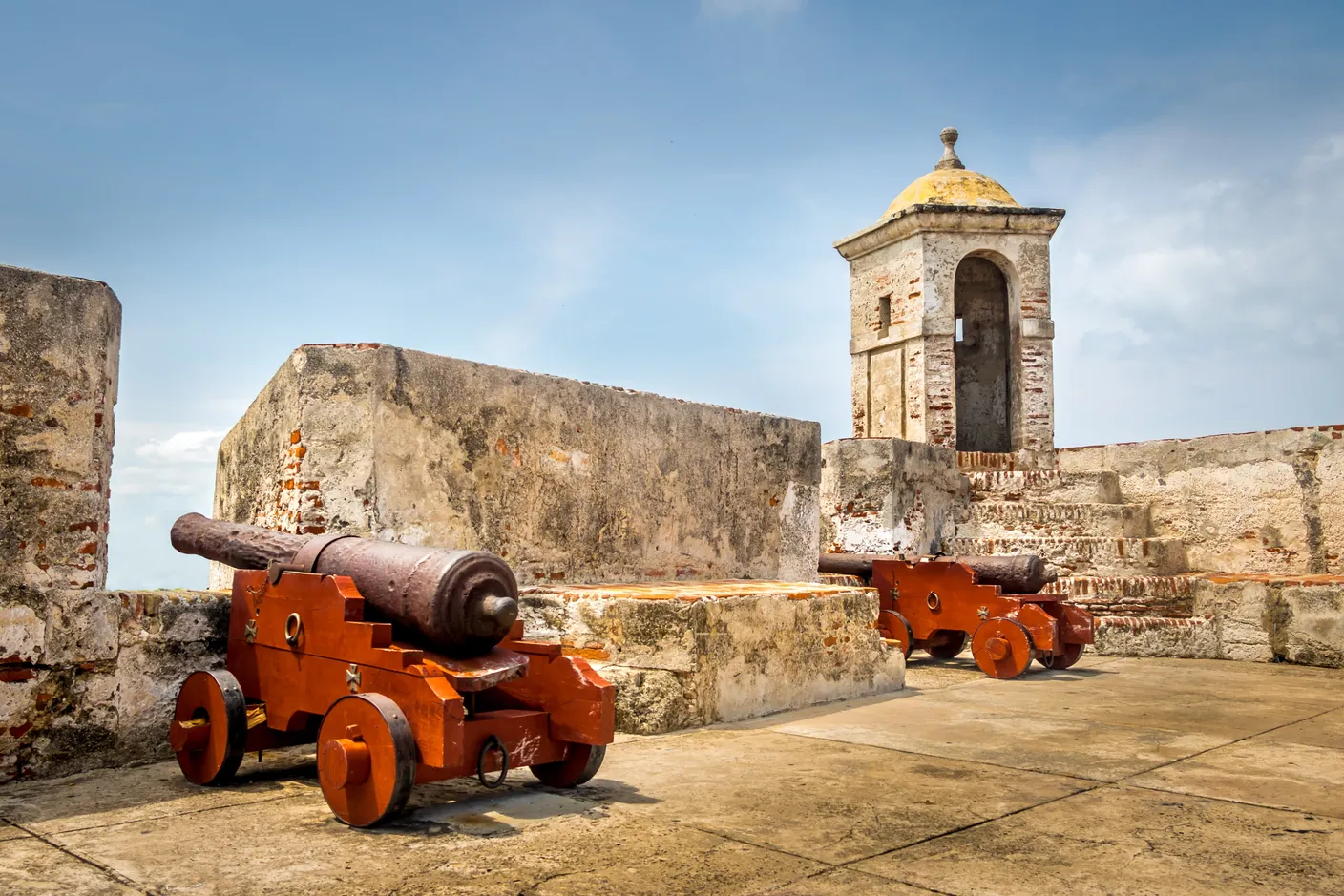 Castillo San Felipe de Barajas is the largest Spanish colonial fortress in the Americas.
Allow at least three full days for the city and one for an island or Playa Blanca trip. Read our Cartagena city guide for day trips to Palenque, Rosario Islands, and regional connections to Santa Marta.
Sources
- DANE: population projections (2026 projection for Cartagena)
- Fortificaciones de Cartagena: Castillo de San Felipe de Barajas, hours and prices (checked October 1, 2026)
- El Tiempo: TransCaribe fare for 2026 (checked October 1, 2026)
- Infobae: TransCaribe accepts contactless Visa payments (August 28, 2026)
- El Universal: Cartagena taxi fares for 2026 (February 27, 2026)
- UK FCDO: Colombia travel advice, safety and security (checked October 1, 2026)
- Cartagena de Indias - Wikipedia
- Cartagena Tourism Official Site
- UNESCO World Heritage - Port, Fortresses and Group of Monuments, Cartagena
- Colombia Tourism - Cartagena