
Updated
On this page
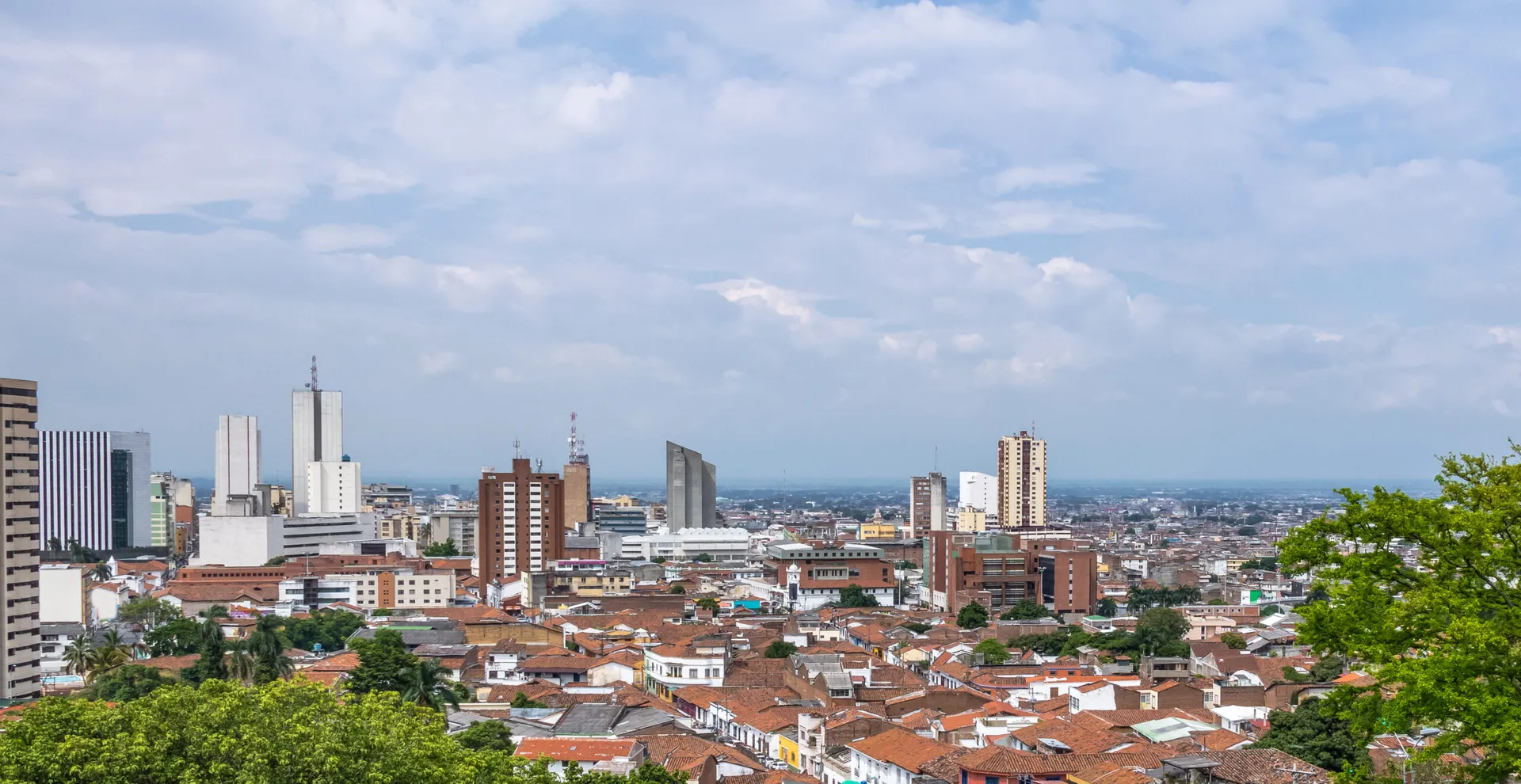
Cali moves to a different clock than Bogotá or Cartagena. Afternoons slow under valley heat, then salsa fills San Antonio’s bars as night falls and the city wakes up. Climb to Cristo Rey for the view over the valley, take a beginners’ salsa class on Avenida Sexta, and order a lulada from a street stand, and you will find Caleños quick to welcome foreigners willing to look beyond the usual coastal trail. Cali rewards preparation and an open mind.
This essential guide covers what first-time visitors need before exploring Colombia’s third-largest city. From which neighborhoods carry more risk, and at what time of day, to navigating the MIO bus system and planning around festival season, it is meant to help you arrive ready. Whether you come for salsa, Pacific coast access, or an authentic urban experience, Cali offers depth that most guidebooks skim past.
About Cali
Santiago de Cali sits in the Valle del Cauca at roughly 1,000 meters elevation, home to about 2.3 million people in the city (DANE’s 2026 projection). Founded in 1536, it grew as an agricultural and industrial hub rather than a colonial showpiece. Earthquakes and modernization erased much early architecture, but neighborhoods like San Antonio preserve a hilltop charm that feels distinct from Colombia’s more touristed cities.
Cali’s identity runs on salsa, sugar, and Pacific coast connections. Afro-Colombian migrants from the coast shaped the music, food, and dance culture that defines modern Caleño life. The city remains less visited than Cartagena or Medellín, which keeps prices reasonable and interactions genuine for travelers who do their homework.
For salsa venues, museums, day trips, and Pacific coast access, see our full Cali city guide.
Quick Facts About Cali
Cali’s warm valley climate and sprawling layout require different planning than highland or coastal destinations.
Spanish is essential outside upscale hotels and dance schools. Caleños speak quickly and warmly; effort matters more than fluency. The Colombian Peso (COP) is used everywhere, and Colombia stays on UTC-5 year-round.
| Fact | Value |
|---|---|
| Population | About 2.3 million (city, 2026 projection by DANE) |
| Elevation | ~1,000 meters (3,280 feet) |
| Language | Spanish |
| Currency | Colombian Peso (COP) |
| Time Zone | UTC-5 (no daylight savings) |
| Typical temperature | 19-30°C (66-86°F) |
Afternoon heat peaks around noon; evenings cool into the low 20s°C, perfect for nightlife.
Understanding Cali’s Layout
Cali spreads along the Cauca River valley with the Farallones mountains rising to the west. The city divides into 22 comunas (districts), but visitors mainly need to know the south, west, and historic hilltop zones.
The river runs north-south through the center. Avenida Sexta (Calle 6) serves as a major east-west corridor connecting downtown with Granada and San Fernando. Southern neighborhoods like Ciudad Jardín and El Ingenio hold malls and upscale residential areas; eastern hillside barrios climb steeply and are generally off-limits without local guidance.
Key areas to remember:
- San Antonio: Colonial hilltop neighborhood; best for atmosphere and salsa bars
- Granada and El Peñón: Upscale dining and nightlife west of center; among the lower-risk areas for visitors, though still take a taxi after 9 PM
- Centro / La Merced: Historic core and oldest church; caution after dark
- Southern zones: Shopping and residential; lower-risk but limited tourist interest
Cali’s airport sits in Palmira, 20 kilometers northeast of the center. Budget time and taxi fare for every arrival and departure.
Key Districts
Choosing the right base in Cali affects both safety and how quickly you connect with local culture.
San Antonio
San Antonio perches on a hill overlooking downtown, anchored by its 18th-century chapel and cobblestone streets. Restaurants, galleries, and bars fill restored mansions. Evenings bring salsa, young crowds, and the neighborhood’s bohemian energy.
San Antonio suits travelers who want walkable charm, dance classes nearby, and authentic nightlife. Daytime exploration is relaxed; use taxis after 9 PM for returns to hotels outside the hill.
Granada and El Peñón
Granada and El Peñón form Cali’s upscale west-side corridor. Restaurants, salsa bars, and newer venues cluster here with visible police presence and locals accustomed to foreign visitors. Vegetarian and international options appear more often than in other districts.
These neighborhoods suit visitors who prioritize safety, comfort, and dining variety over colonial aesthetics. Taxi or MIO connections reach San Antonio and downtown in 10-15 minutes.
Centro and La Merced
Downtown Cali holds La Merced, the city’s oldest surviving church complex (1545), plus markets and bus terminals. Museums and architecture reward daytime visits, but the center empties after dark and petty theft occurs near terminals and crowded markets.
Centro works for budget travelers and history-focused visitors who taxi in and out rather than walking alone at night.
Ciudad Jardín and the south
Southern Cali includes Ciudad Jardín, El Ingenio, and gated communities with malls and modern hotels. The zone is among the city’s lower-risk areas and comfortable, but offers little beyond shopping and business hotels for typical tourists. Its southern edge borders Jamundí, a separate municipality where the UK Foreign, Commonwealth and Development Office (FCDO) advises against all but essential travel, and which falls inside the US State Department’s Level 4 “Do not travel” area for Valle del Cauca outside Cali (both checked October 1, 2026), so do not treat the road south as an extension of the city.
Treat the south as a shopping and business district, not a primary exploration base. It is also a poor choice for an early flight: the airport is in Palmira, 20 kilometers northeast of the center, so staying in the south adds a cross-city drive to the trip.
Weather and When to Visit
Cali stays warm year-round with two dry seasons and two wetter periods. Rain usually arrives as afternoon thunderstorms rather than all-day storms.
By season
- Dry seasons (December-February, June-August): Most reliable weather for walking tours and Cristo Rey hikes. January-February offers cooler mornings and minimal rain.
- Wet seasons (March-May, September-November): Heavier afternoon rain, especially September-October. Mornings often stay dry; plan indoor museums or dance classes for afternoons.
- Festival peaks: Feria de Cali (December 25-30) transforms the city into a non-stop party; hotels triple rates. Petronio Álvarez Festival, usually in August, celebrates Pacific culture at a more manageable scale. The 2026 edition was suspended after the August 10 earthquake. As of October 1, 2026, the city is aiming for a smaller edition in November, with no date confirmed; our 2026 festival post has the latest.
Lightweight, breathable clothing works year-round. Pack a rain jacket for wet months and a light layer for aggressive air conditioning in buses and malls.
Salsa and Local Rhythm
Salsa is not optional background music in Cali; it shapes daily life, social life, and the city’s global reputation.
- Afternoon pause: Many Caleños rest during peak heat; plan sightseeing for morning and evening
- Dance schools: many offer drop-in group classes for beginners, and some teach in English
- Venues: Zaperoco, in the north near Granada, and Tin Tin Deo, on Calle 5, draw serious local dancers; La Topa Tolondra, on Calle 5 near San Antonio, is one of the best known
- Juanchito: the legendary salsa zone across the river, outside the city limits; go and return by a booked taxi or app ride, and never walk between venues
- Pace yourself: A Cali night can run until dawn; build recovery time into your itinerary
Even if you never master a turn, showing up on a dance floor earns respect. Caleños forgive clumsy feet more readily than tourists who treat salsa as a spectator sport.
Essential Safety Tips
Cali requires more neighborhood awareness than Medellín or Cartagena: risk changes from one district to the next and rises after dark. The UK FCDO names Cali among the major cities where “pickpocketing, mugging and armed robbery are a problem,” and warns country-wide of “express kidnappings” involving unlicensed taxis. The US State Department rates Colombia as a whole at Level 3, “Reconsider travel,” and lists “Valle del Cauca (excluding Cali)” among its Level 4 “Do not travel” areas, so the city itself is excluded but much of the surrounding department is not (advisory issued March 31, 2026; both checked October 1, 2026). Choosing your neighborhood and your transport carefully does most of the work. Our Is Colombia Safe? page compares the current government advisories, including what they say about Valle del Cauca, and our Colombia safety guide covers country-wide precautions.
Do’s
- Stay in Granada, El Peñón, or San Antonio for tourist-friendly bases
- Use registered taxis or ride-hailing apps, especially after 9 PM
- Visit Juanchito and eastern hillsides only with trusted local guidance
- Carry minimal cash and use ATMs inside malls or banks
- Respect local pride; avoid comparing Cali unfavorably to Medellín
Don’ts
- Walk downtown or near bus terminals alone after dark
- Enter eastern hillside comunas without a knowledgeable guide
- Buy bus tickets from touts at Terminal de Transportes
- Assume credit cards work everywhere; carry pesos for taxis and small restaurants
- Overdo aguardiente on your first night; altitude and heat compound alcohol’s effects
Getting Around
Cali’s sprawl makes transport choices important. Our how to get around Cali guide covers the MÍO, taxis, apps, airport transfers, and intercity buses in detail.
MIO bus system
The MIO (Masivo Integrado de Occidente) bus rapid transit system covers major corridors with dedicated lanes. Single rides cost COP 3,500 (2026 rate). Purchase a rechargeable MÍO card at station kiosks; you can’t pay the driver in cash.
Routes connect Granada, downtown, and southern districts, but the system overwhelms first-time users. Google Maps and local advice help; when in doubt, a taxi often saves time and confusion for short trips.
Taxis and ride-hailing
Yellow taxis are plentiful; use apps when possible for upfront pricing. Uber operates semi-legally at roughly 30% below official taxi rates but requires coordination at the airport since drivers cannot wait at official pickup zones.
Taxis are metered; the 2026 minimum fare is COP 7,100 (about USD 2), with a surcharge at night and on Sundays and holidays. Airport taxis charge a fixed airport rate set by Palmira’s transport authority plus the metered fare within Cali, so ask for the total at the official taxi stand before you set off.
Essential Spanish Phrases
English is limited outside tourist-facing dance schools and upscale hotels. These phrases help daily:
- “¿Dónde está…?” (Where is…?)
For finding MIO stations, plazas, or your hotel. - “¿Cuánto cuesta?” (How much?)
Essential for taxis, markets, and dance classes. - “Una clase de salsa, por favor” (A salsa class, please)
Opens conversations at dance schools. - “No entiendo” (I don’t understand)
Caleños will often slow down and gesture generously. - “¿Habla inglés?” (Do you speak English?)
Worth trying at hotels and tour operators. - “Gracias” / “Por favor” (Thank you / Please)
Warmth in tone matters as much as the words.
Money Matters
Cali remains affordable compared to Cartagena and Bogotá, but cash dominates daily transactions. Our money in Colombia guide covers ATM use, cards, cash, exchange, and tipping across the country.
Currency tips
A few prices worth knowing in 2026:
| Expense | Cost |
|---|---|
| MIO bus ride | COP 3,500 (about USD 1.10) |
| Minimum taxi fare | COP 7,100 (about USD 2) |
| Museo del Oro Calima | Free |
For meals, nights out, and daily budgets, see our guide to what a trip to Colombia costs. Use ATMs inside banks or shopping centers, and bring crisp, undamaged notes if you plan to exchange cash.
Emergency Contacts
Dial 123 for general emergencies in Colombia.
See our emergency contacts for Colombia for embassy numbers and specialized services.
Tourist police at major attractions speak better English than general emergency operators. Fundación Valle del Lili hospital in the south provides quality care with some English-speaking staff. Travel insurance is essential; foreign patients typically pay upfront.
What’s Next?
Give Cali at least three days: one to adjust, one to explore, one to dance. This sample first day eases you in:
| Activity | Estimated time | Notes |
|---|---|---|
| Morning in San Antonio | 2 hours | Chapel, views, coffee on the hill |
| La Merced and religious museum | 1-2 hours | Cali’s oldest structures |
| Lunch corriente in Granada | 1 hour | Set menu bargain |
| La Tertulia Museum | 1-2 hours | Modern art and river views |
| Cristo Rey (late afternoon) | 2-3 hours | Start descent before dark |
| Salsa class or a salsa bar | 2-3 hours | Pace the aguardiente |
Read our Cali city guide for day trips and multi-city itineraries through the Coffee Region, and check its notes on the travel advice for Valle del Cauca outside Cali before planning any of them.
Sources
- Cali - Wikipedia
- Colombia Tourism - Cali
- MIO Cali
- Alcaldía de Cali: MIO fare for 2026
- El País: Cali taxi fares for 2026 (checked October 1, 2026)
- Banco de la República: Museo del Oro Calima (checked October 1, 2026)
- El País: the Petronio Álvarez will return to Cali in November in a smaller format (September 1, 2026)
- US Department of State: Colombia Travel Advisory (issued March 31, 2026; checked October 1, 2026)
- UK FCDO: Colombia travel advice, safety and security (checked October 1, 2026)
- UK FCDO: Colombia warnings and insurance (checked October 1, 2026)