
Updated
On this page
Set in the Aburrá Valley at roughly 1,495 meters (4,900 feet) and ringed by Andean peaks, Medellín has become one of South America’s most rewarding cities to explore. The weather stays spring-like all year, the Metro glides cleanly along the valley floor, and cable cars carry you up to hillside barrios that once felt cut off from the rest of the city. Paisa hospitality does the rest, turning a simple coffee stop or football match into something memorable.
The city rewards curiosity. You can spend a morning studying Botero’s bronzes downtown, an afternoon floating over rooftops in a Metrocable gondola, and an evening learning salsa steps in Laureles. Here are the 15 experiences that best capture Medellín, with practical notes on where to find them.
1. Walk Comuna 13 and Its Escalators
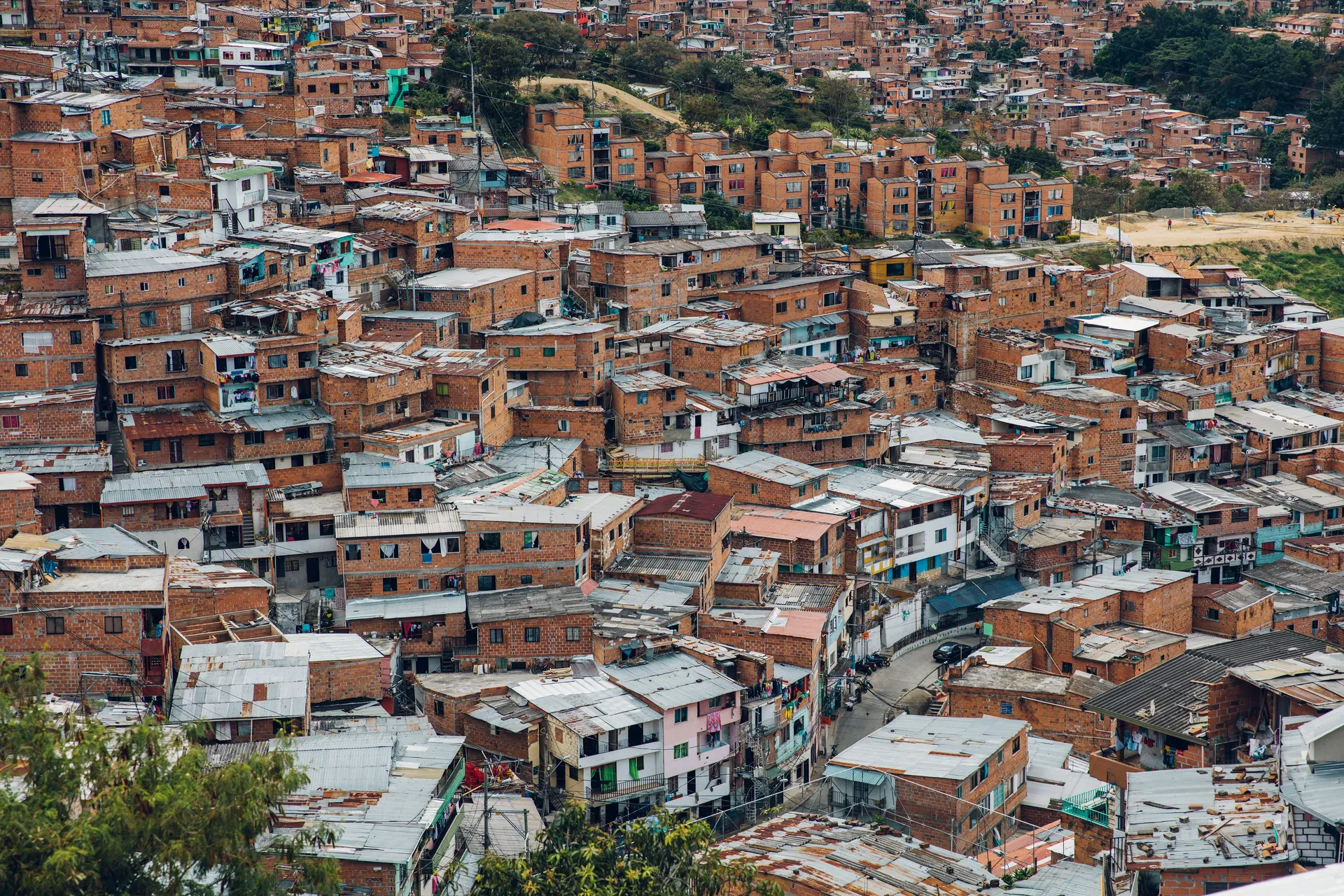
Once one of Medellín’s most troubled neighborhoods, Comuna 13 (San Javier) has become the city’s signature transformation story. Covered outdoor escalators, free to ride, climb the steep hillside where residents once faced a punishing walk, and the surrounding lanes burst with murals, hip-hop, and viewpoints over the valley. A local guide adds essential context about what the street art actually commemorates.
Location: San Javier, western Medellín; take Metro Line B to San Javier station, then a short walk or feeder ride up to the escalators.
Don’t Miss: The graffiti tours led by residents, the panoramic terraces near the top of the escalators, and fresh mango or a paleta from a street vendor along the way.
Tip: Go earlier in the day before the crowds and midday heat build. Keep your phone secured on the walk in, and consider booking a guided tour for both context and comfort.
2. Ride the Metrocable Over the Rooftops
Medellín pioneered the use of aerial cable cars as everyday mass transit, and riding one is among the best-value experiences in the city. Line K climbs steeply from the valley floor to Santo Domingo, gliding over dense hillside neighborhoods with the whole valley opening up beneath you. Because the Metrocable is integrated into the Metro, hopping aboard usually costs nothing beyond your normal fare.
Location: Board Line K at Acevedo station (Metro Line A) heading up to Santo Domingo; Line J runs from San Javier if you are already in the west.
Don’t Miss: The late-afternoon ride when the light softens over the barrios and the city lights begin to flicker on below.
Tip: A single integrated ride costs COP 3,820 (about USD 1.20) with a Cívica card, the 2026 fare. See our guide on how to get around Medellín for the full lowdown on the card and the lines.
3. Escape to Parque Arví
From Santo Domingo, Metrocable Line L continues over forested ridges to Parque Arví, a vast nature reserve on the mountains above the city. The cable journey alone justifies the trip, soaring above the canopy, and at the top you will find gentle walking trails, a weekend market selling traditional foods, and cool, clean mountain air that feels a world away from the valley.
Location: Ride Line A to Acevedo, transfer to Line K up to Santo Domingo, then take Line L to Parque Arví.
Don’t Miss: The easy loop trails near the entrance and the artisan and food stalls at the park market on weekends.
Tip: Line L sits outside the integrated fare, with its own hours: it is closed on Tuesdays for maintenance, and otherwise runs from 9:00 AM to 6:00 PM (from 8:30 AM on Sundays and holidays). Foreign visitors pay COP 26,700 (about USD 8) a trip in 2026. Go earlier rather than later, and bring a layer, as it is noticeably cooler and often wetter up top.
4. Meet Botero at the Museo de Antioquia and Plaza Botero
Medellín’s most famous artistic son, Fernando Botero, gave his hometown both a world-class collection and an open-air sculpture gallery. The Museo de Antioquia houses one of the largest holdings of his rounded, voluptuous paintings and sculptures, alongside pre-Columbian and contemporary works. Just outside, Plaza Botero displays 23 of his generously proportioned bronze figures, free for anyone to wander among.
Location: El Centro, directly beside Parque Berrío station on Metro Line A.
Don’t Miss: Rubbing shoulders with the bronzes in the plaza before heading inside, then seeking out Botero’s later, more political canvases upstairs in the museum.
Tip: Check current prices and opening hours on the Museo de Antioquia’s website before you go; the sculptures in the plaza are free to see. El Centro is lively by day but empties after dark, so plan to visit during daylight hours and keep valuables out of sight.
5. Take In the Views From Pueblito Paisa on Cerro Nutibara
Cerro Nutibara rises straight out of the city as one of the valley’s few surviving natural hills, and its summit holds Pueblito Paisa, a scaled-down replica of a traditional Antioquian village complete with a whitewashed church, town square, and handicraft shops. It leans touristy, but the 360-degree panorama of Medellín spread across the valley is genuinely spectacular, especially at sunset.
Location: Central Medellín, near the Museo de Arte Moderno; the nearest Metro stop is Industriales (Line A), followed by a taxi or short uphill walk.
Don’t Miss: The wraparound viewpoint behind the little church, where the whole city and its surrounding ridges come into focus.
Tip: Arrive about an hour before sunset for photographs, then linger as the alumbrados or city lights come on. A booked or app-arranged taxi is the easy way up the hill.
6. Wander the Jardín Botánico
A green oasis in the heart of the city, the Jardín Botánico spreads across 14 hectares of tropical plants, lawns, and shaded walkways, with a butterfly house and rotating art installations. Entry is free, and on weekends families arrive for picnics and the garden hosts concerts and cultural events. It pairs naturally with the neighboring Parque Explora and the Universidad de Antioquia campus.
Location: Beside Universidad station on Metro Line A.
Don’t Miss: The orquideorama, a striking honeycomb of timber canopies sheltering orchids and events, and the resident iguanas sunning near the central lagoon.
Tip: Bring a picnic or eat at the on-site restaurant, and combine your visit with Parque Explora next door for a full, low-cost day out.
7. Get Hands-On at Parque Explora
Right next to the botanical garden, Parque Explora brings science to life through interactive exhibits that appeal to all ages. The complex includes one of South America’s largest freshwater aquariums, a vivarium of native reptiles and amphibians, and hands-on physics and technology displays, plus a planetarium next door in the Parque de los Deseos.
Location: Beside Universidad station on Metro Line A, next to the Jardín Botánico.
Don’t Miss: The Amazon and Colombian river tanks in the aquarium, home to giant pirarucú and other native species.
Tip: Foreign visitors pay a higher rate than residents, and the museum is closed on Mondays except holidays, so check current prices and hours on the official site. It is an excellent rainy-afternoon option and a hit with families.
8. Soak Up El Poblado and Provenza
El Poblado is Medellín’s most popular base for visitors, a leafy, hilly district packed with cafes, restaurants, rooftop bars, and co-working spaces. The Provenza pocket around Parque Lleras is the social heart, buzzing with dining and nightlife, while quieter streets nearby reward an aimless afternoon wander between specialty coffee shops and boutiques.
Location: Southern Medellín; Poblado station on Metro Line A sits at the bottom of the hill, with most of the action uphill to the east.
Don’t Miss: An evening stroll through Provenza’s side streets, followed by dinner at one of the neighborhood’s many contemporary Colombian restaurants.
Tip: The hills here are steep, so use a taxi or ride-hailing app for the climb up from the Metro. Weekend nights can get rowdy with party tourism; choose your street accordingly if you want an early night.
9. Slow Down in Laureles-Estadio
Flat, gridded, and tree-lined, Laureles-Estadio offers a more local, lived-in counterpoint to El Poblado. This is where paisas actually live, eat, and go out, and its round Circular avenues and neighborhood parks make it one of the most pleasant districts to explore on foot. The dining and bar scene skews toward locals, and prices tend to run lower than in Poblado.
Location: West of the city center; Estadio and Suramericana stations on Metro Line B put you on the edge of the neighborhood.
Don’t Miss: An evening around La 70, one of Medellín’s classic streets for bars, salsa, and street food.
Tip: Laureles is ideal for a longer stay or a slower pace. The flat streets are easy walking, and the Metro makes crossing town simple.
10. Eat Your Way Through Mercado del Río or Plaza Minorista
Medellín’s food halls run the full range from polished to gritty. Mercado del Río is a lively modern hall of dozens of vendors serving everything from ceviche to ramen, popular with families, dates, and groups of friends. For something rawer and more local, Plaza Minorista is a sprawling working market where the second-floor food court plates up hearty Colombian classics for a fraction of the price.
Location: Mercado del Río sits near Industriales station (Line A); Plaza Minorista is on the northern edge of El Centro, a short taxi ride from the main museums.
Don’t Miss: A shared plate and a craft beer at Mercado del Río, or a generous, budget-friendly lunch and a fresh fruit juice at Minorista.
Tip: Mercado del Río gets packed on weekend evenings, so arrive early. Plaza Minorista is best in the morning, rewards basic Spanish, and calls for comfort with crowded, working-class surroundings.
11. Cheer On Fútbol at Estadio Atanasio Girardot
Few things reveal paisa passion like a match at the Estadio Atanasio Girardot, home to the city’s two big clubs, Atlético Nacional and Independiente Medellín. On game day the whole neighborhood turns green or red, drums and chants echo down the avenues, and the atmosphere inside can be electric.
Location: Between Laureles and the center; Estadio station on Metro Line B lets you off right beside the ground.
Don’t Miss: A Nacional home game if the schedule lines up, ideally against a big rival for the full spectacle.
Tip: Buy tickets in advance through official channels, sit in a family or general section rather than the hardcore fan stands if you want a calmer experience, and leave valuables at your accommodation.
12. Take a Day Trip to Guatapé
About two hours east of the city, Guatapé is one of Colombia’s most photogenic towns, its buildings decorated with brightly painted zócalos along every street. Nearby, the massive El Peñón de Guatapé rock rises roughly 200 meters (650 feet) from the landscape, and a staircase of more than 700 steps zigzags up its flank to a panorama over the sprawling, finger-shaped reservoir below.
Location: Guatapé town and El Peñón, in eastern Antioquia; reached by organized tour or public bus from Terminal del Norte (Caribe station, Metro Line A).
Don’t Miss: The climb up El Peñón for the reservoir views, followed by a wander through Guatapé’s colorful main streets and plaza.
Tip: Start early to beat both crowds and afternoon cloud. Our complete guide to Guatapé covers transport, timings, and what to see in depth.
13. Dance Salsa and Reggaeton After Dark
Medellín is a UNESCO City of Music, and its nightlife runs from old-school salsa halls to the reggaeton clubs that made the city a global name in the genre. Laureles and its La 70 strip lean traditional and local, while Provenza in El Poblado draws a younger, international crowd. Either way, a night out here is as much about dancing as drinking.
Location: Salsa around La 70 in Laureles-Estadio (Estadio station, Line B); reggaeton and club nights concentrate around Provenza and Parque Lleras in El Poblado.
Don’t Miss: A classic salsa venue where locals actually dance, then a later reggaeton club if you have the stamina.
Tip: A beginner class helps if you want to join in with confidence; see our guide to dancing in Colombia. Book a ride-hailing car home rather than walking back late, and never leave a drink unattended.
14. See the December Alumbrados
Each December, Medellín stages one of Latin America’s most celebrated Christmas light displays. The alumbrados drape parks, bridges, and the Medellín River with millions of bulbs, and paisa families pour out into the evenings to stroll among the illuminations. It is a genuinely magical time to be in the city, and one of its proudest annual traditions.
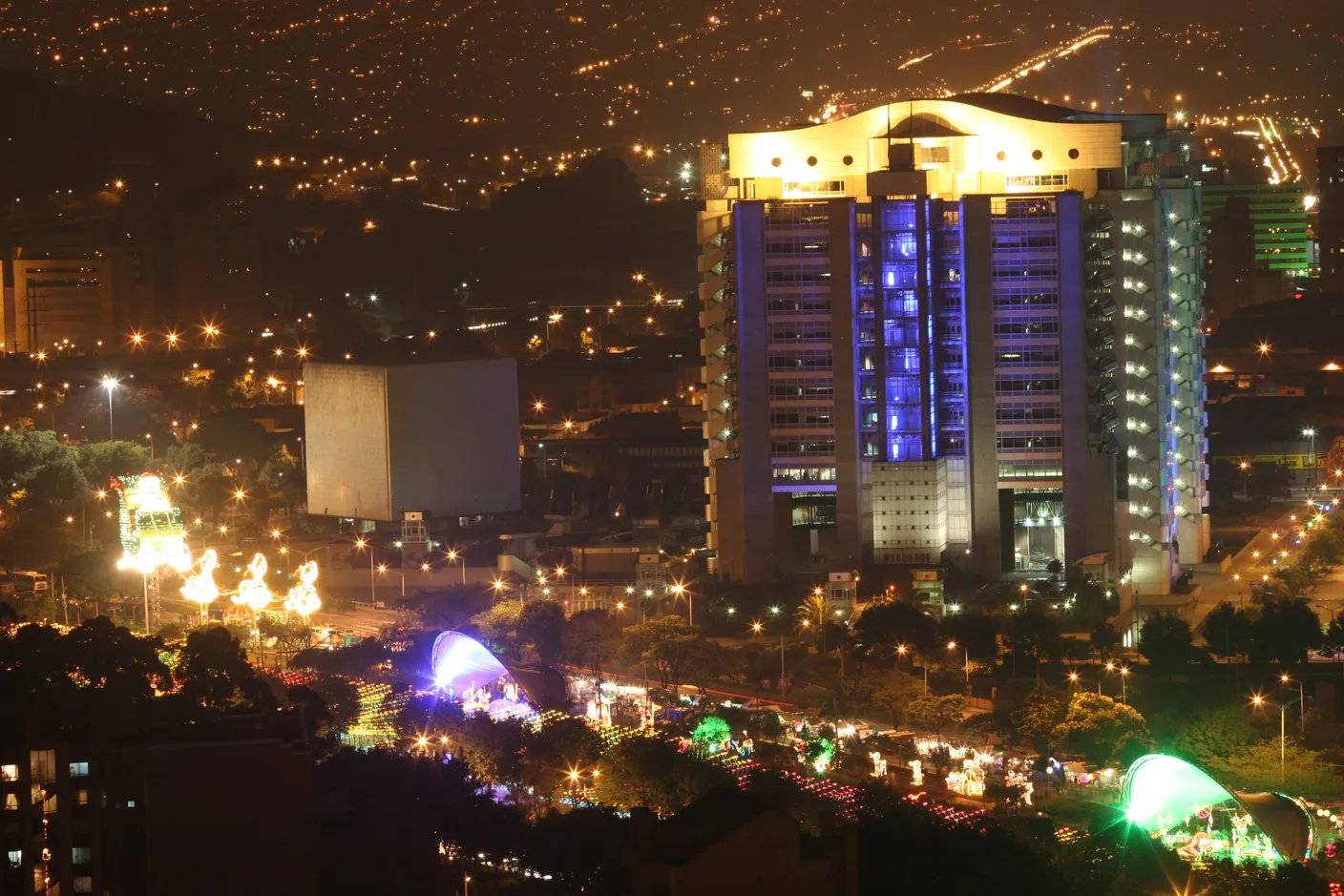
Location: The riverside stretch along the Medellín River (Río) is the centerpiece; displays also fill Parque Norte and neighborhoods across the city.
Don’t Miss: An evening walk along the river light installation, best seen after nightfall once the crowds and the glow build together.
Tip: December is peak season, so book accommodation well ahead and expect higher prices. Evenings draw big crowds, so keep your phone and wallet secure and agree on a meeting point with your group.
15. Linger in Medellín’s Coffee Shops
Colombia grows some of the world’s finest coffee, and Medellín is a fine place to actually taste it. A wave of specialty roasters and third-wave cafes has taken root, especially across El Poblado, Provenza, and Laureles, where baristas will happily walk you through single-origin beans, brewing methods, and the difference between a tinto and a pour-over.
Location: Highest concentration in El Poblado and Provenza (Poblado station, Line A) and in Laureles (Estadio or Suramericana stations, Line B).
Don’t Miss: A tasting flight or a hand-brewed single origin at a specialty roaster, ideally paired with a slice of local cake.
Tip: Order a tinto to drink like a local, or ask for a cortado if you want a little milk. Many cafes double as co-working spaces, so they are ideal for a slow morning with reliable WiFi.
Practical Tips for Making the Most of Medellín
- Get a Cívica card: The rechargeable Metro card gives you the cheapest fares and covers integrated transfers across the Metro, Metrocable, tram, and feeder buses. Our transport guide explains the details.
- Plan around the hills: The valley floor is flat and walkable, but many barrios climb steeply. Use the Metro for distance and a taxi or app for the final uphill stretch.
- Respect the neighborhood rhythm: El Centro and Comuna 13 are daytime destinations; enjoy them by day and lean on ride-hailing after dark.
- Mind your phone: Phone snatching is the most common concern for visitors. Keep valuables out of sight on the street and on transit, and follow the advice in our Colombia safety guidelines.
- Give yourself time: Budget at least four days for the essentials; a week lets you add day trips to Guatapé and the coffee towns.
Note: Prices, hours, and availability change over time. We recommend confirming details before you visit.
Sources
- Semana: Cable Arví (Line L) hours and fares (checked October 1, 2026)
- El Tiempo: Medellín metro fares for 2026 (January 9, 2026)
- Museo de Antioquia
- Parque Explora
- Parque Arví