


Updated
On this page
Colombia packs an improbable amount into one country: snow-capped Andes and Amazon rainforest, two coastlines, high-altitude cities and sleepy colonial towns, and more bird species than anywhere else on earth. That variety is the real draw. You can be cupping coffee on a misty hillside one morning and learning to dance salsa in a Cali club the next. This page is a starting point for the question every visitor asks first: what can you actually do in Colombia? Below are the experiences worth building a trip around, with links to in-depth guides as we publish them. If you’d rather have the logistics handled, a guided Colombia tour can take care of the planning.
Coffee Culture: From Bean to Cup
Colombia is one of the world’s great coffee origins, and its heartland, the Eje Cafetero, is a place worth slowing down for. Picture steep green hillsides striped with coffee bushes, family-run fincas where the beans are still picked by hand, and brightly painted towns like Salento and Filandia where the day turns on a small cup of tinto. In 2011, UNESCO recognized the whole Coffee Cultural Landscape as a World Heritage Site, not for any single farm but for a way of life shaped by generations of growers.
The best way in is to stay on a working farm and follow the bean from cherry to cup: walk the rows at harvest, try your hand at picking, and sit down with a catador to taste the difference between a good lot and a great one. Between farm visits, the region rewards wandering, with cloud forests, sweeping ridge-top views, and Willys jeeps rattling along the mountain roads.
Read our full guide to Colombia’s coffee culture.
Dancing Through Colombia
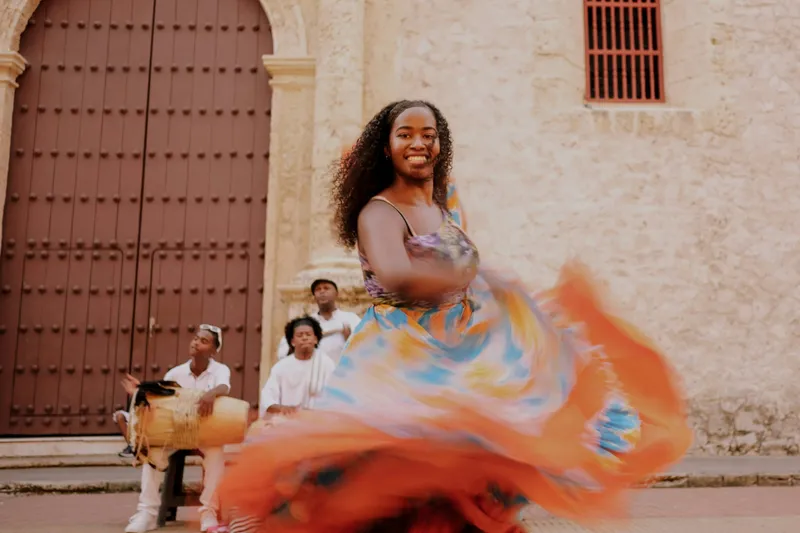
In Colombia, music is less a performance you watch than something everyone joins in. Each region moves to its own rhythm: the lightning footwork of salsa in Cali, the earthy cumbia and electric champeta of the Caribbean coast around Cartagena, the accordion-driven vallenato of the northern plains, and the marimba-led currulao of the Pacific.
You don’t need any experience to take part. Dance schools across the country welcome absolute beginners, and a single lesson changes how you hear the music before you ever step onto a club floor. Time a visit around a festival like the Feria de Cali or Barranquilla’s Carnival, and you’ll see the whole country dance at once.
Read our full guide to dancing in Colombia.
Nature and Wildlife
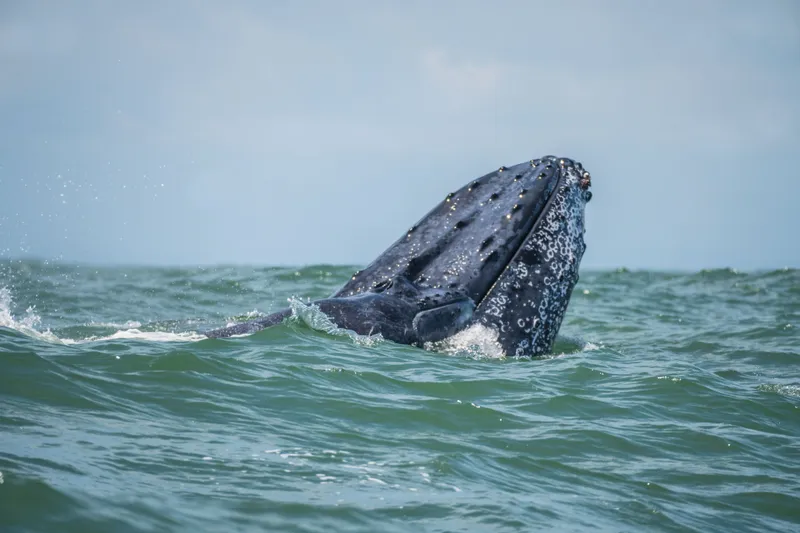
Choose between a morning of birdwatching, a seasonal whale trip, the river landscapes of Caño Cristales, and time in the Amazon or high mountains. Our nature and wildlife overview compares what each experience involves and helps you decide which fits your route.
Whale Watching
A seasonal Pacific trip needs more advance planning than a local outing. The whale watching guide compares Nuquí and Bahía Solano and covers travel, lodge packages, responsible watching, and relevant advisories.
Birdwatching
Start with a morning around Minca or a Coffee Region reserve, or build a longer trip around different habitats. The birdwatching guide covers regions, reserve visits, and choosing a guide.
Beaches and Islands
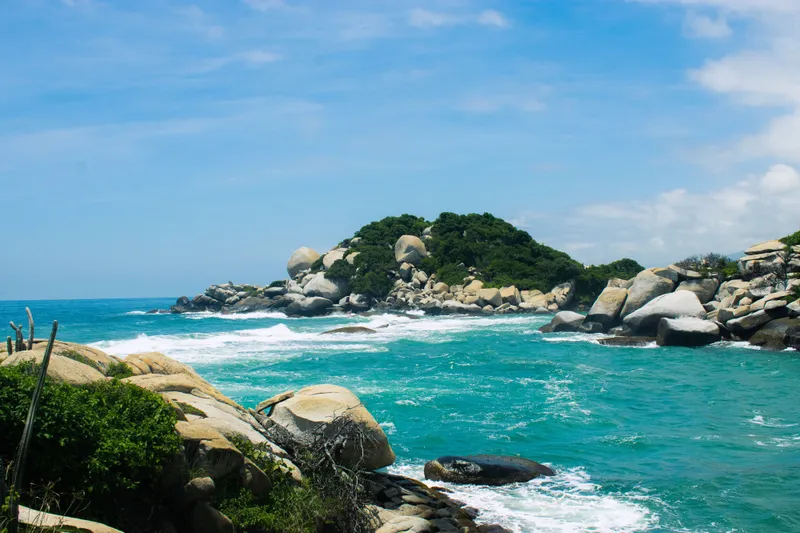
For a country better known for its mountains and cities, Colombia has a remarkable amount of coastline, two of them in fact. On the Caribbean side, the Rosario Islands lie a short boat ride from Cartagena, and the jungle-backed coves of Tayrona National Park rank among the loveliest beaches in South America. Further out, the archipelago of San Andrés and Providencia floats in water so vivid that locals call it the sea of seven colors, with some of the best diving and snorkeling in the region.
The Pacific coast is a wilder proposition: black-sand beaches, dense rainforest meeting the surf, and very few other travelers. Reached mostly by small plane, places like Nuquí and Bahía Solano trade comfort for whales offshore, empty sand, and a real sense of the edge of the map. Whichever coast you choose, the pace slows the moment you arrive.
Read our full guide to Colombia’s beaches and islands.
Trekking and Hiking
Colombia’s mountains reward those willing to walk into them. The classic is the multi-day trek to the Ciudad Perdida (Lost City), which climbs through humid jungle to a terraced settlement the Tayrona built centuries before Machu Picchu, reachable only on foot. It is demanding, sweaty, and unforgettable in equal measure.
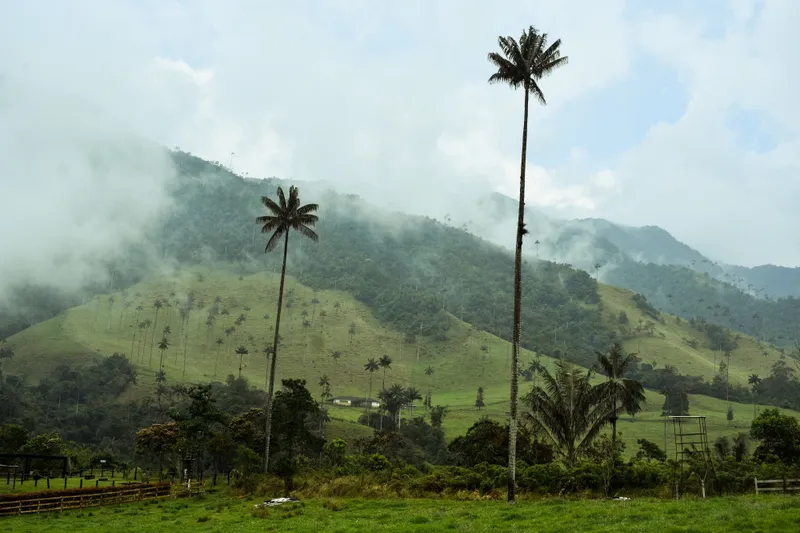
Day hikes are just as rewarding. The Cocora Valley, near the coffee towns, is laced with trails that wind beneath the world’s tallest palms, while the glacial lakes of El Cocuy and the snow-capped volcanoes of Los Nevados offer high-altitude walking for the well-acclimatized. Go with a reputable guide, respect the altitude, and let the landscape set the pace.
Read our full guide to trekking and hiking in Colombia.
Adventure and Adrenaline
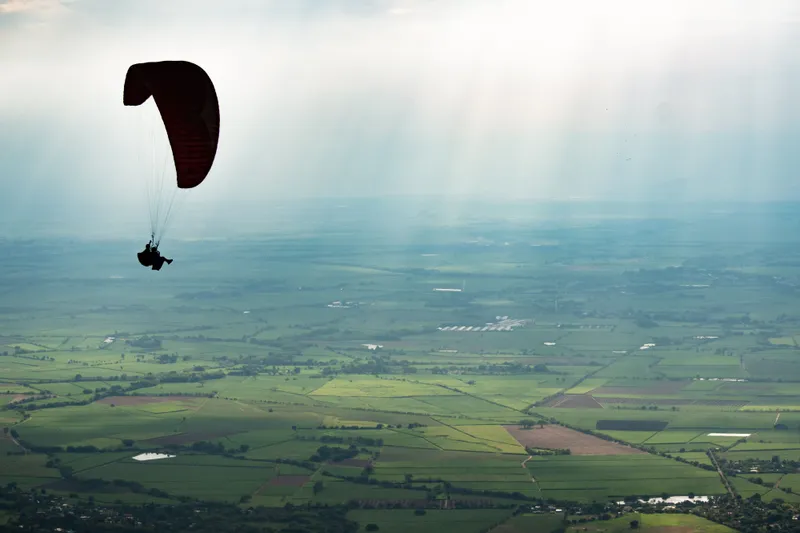
Colombia’s rivers, canyons, and ridgelines make it one of South America’s finest playgrounds for active travelers. The town of San Gil, in Santander, is the unofficial adventure capital, with whitewater rafting, caving, waterfall rappelling, and paragliding all within easy reach. Nearby, gliders launch out over the vast Chicamocha Canyon for one of the country’s great views.
There’s plenty more to get the heart going. Climbers test themselves on the sandstone slabs of Suesca near Bogotá, divers head for the reefs of San Andrés and the shark-rich waters off Malpelo, and cyclists grind up the same legendary climbs that produced a generation of Colombian Tour de France winners. Whatever your sport, the scenery does half the work.
Read our full guide to adventure sports in Colombia.
History and Heritage
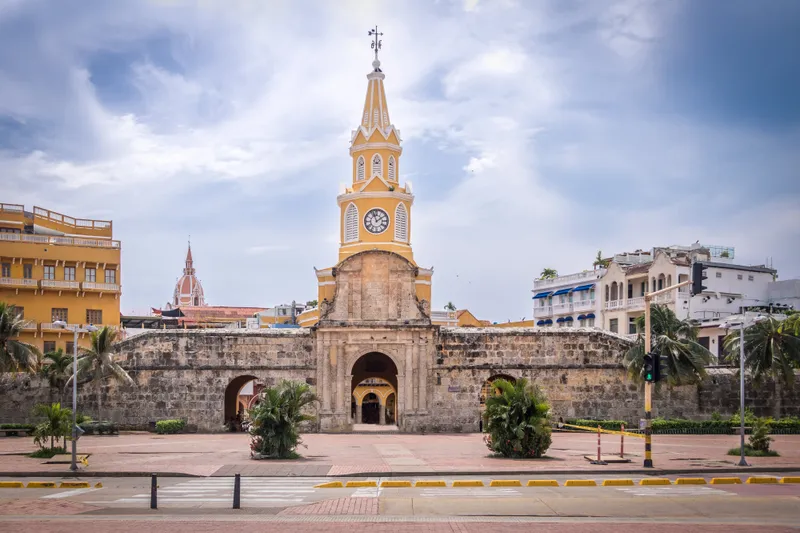
Colombia’s past is written across its towns and hillsides, and tracing it is an experience in itself. The walled old city of Cartagena, a UNESCO World Heritage Site, is the obvious starting point, its colonial streets and sea fortifications glowing gold at dusk. Inland, time slows further in cobblestoned pueblos like Villa de Leyva, Barichara, and the languid river town of Mompox, where little has changed in centuries.
Older still are Colombia’s archaeological treasures. The hillsides of San Agustín are studded with hundreds of enigmatic stone statues carved by a vanished culture, and the underground tombs of Tierradentro, both UNESCO sites, predate the Spanish by more than a thousand years. Round it off in Bogotá, where the Gold Museum tells the story behind the legend of El Dorado through thousands of pieces of pre-Columbian goldwork.
Read our full guide to history and heritage in Colombia.
Artisanal Crafts and Creation
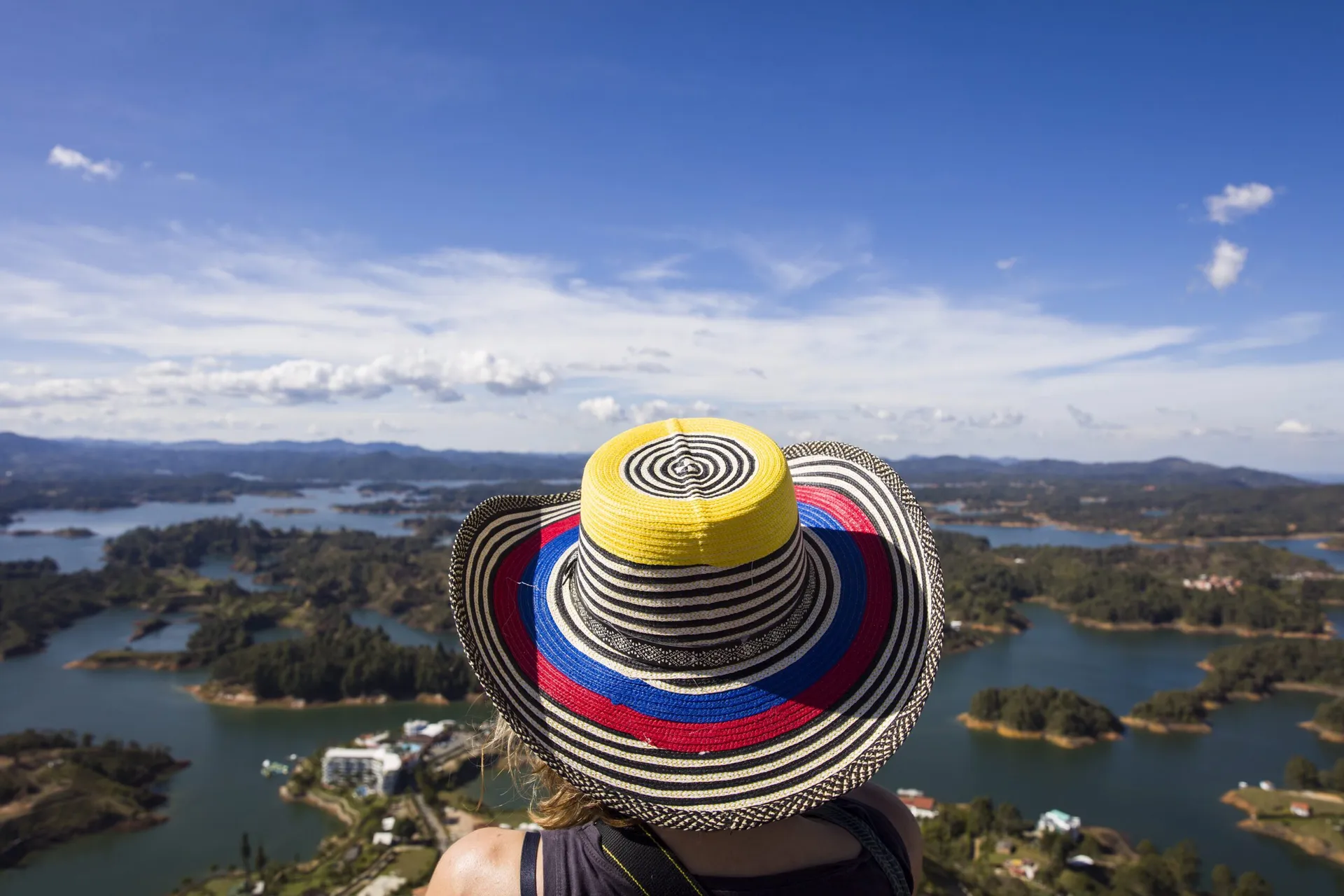
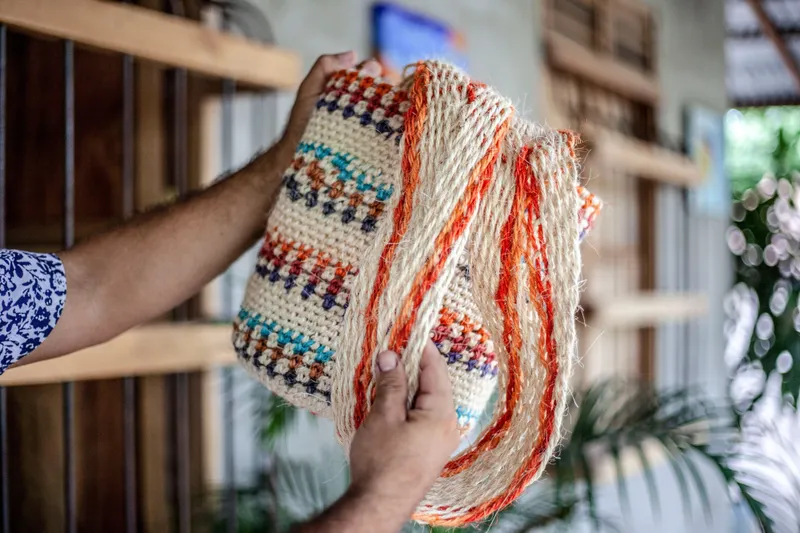
Colombia’s craft traditions are alive rather than preserved behind glass, and meeting the people who keep them going is one of the most rewarding things you can do here. In La Guajira, Wayuu women weave the brightly patterned mochila bags you’ll see all over the country, each design carrying its own meaning. In the highland town of Ráquira, potters work red clay much as their ancestors did, and on the Caribbean coast artisans plait the iconic sombrero vueltiao from fine strands of cane.
Many communities welcome visitors for hands-on workshops, whether you want to weave your own bag, throw a pot, or try the delicate filigree silverwork of Mompox. Buying directly from the makers, rather than from a souvenir stall, keeps your money where it belongs and usually comes with a story you’ll remember longer than the object itself.
Read our full guide to Colombia’s artisanal crafts.
Culinary Journeys
Colombian food is regional to its core, and eating your way across the country is a genuine adventure. The humble arepa changes character from place to place, the hearty bandeja paisa anchors a meal in Medellín, and a steaming bowl of ajiaco takes the chill off an evening in Bogotá. On the coast, expect coconut rice, fried fish, and ceviche eaten in the shade.
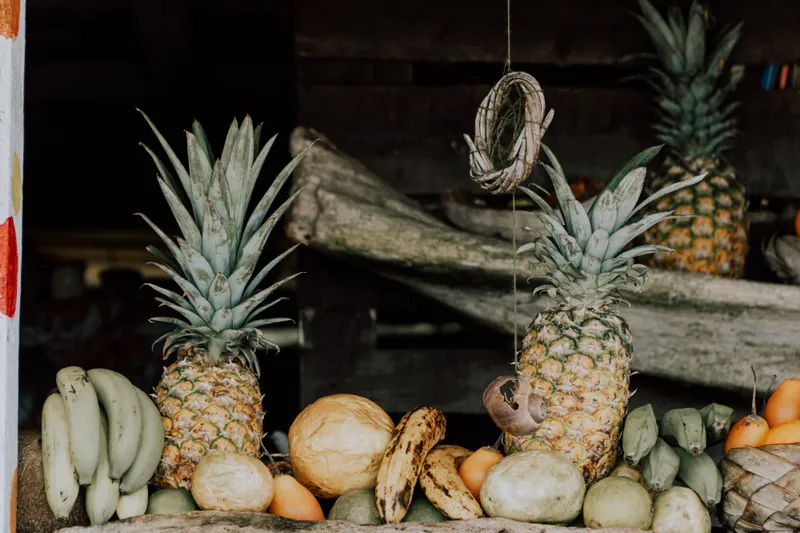
The markets are where it all comes alive. Wander Bogotá’s Paloquemao or Cartagena’s Bazurto with someone who knows them and you’ll meet fruits you’ve never heard of, from lulo to mangostino to guanábana, pressed into juice on the spot. Cooking classes in local homes, street-food crawls, and cacao-to-chocolate workshops all turn a good meal into something you can take home in your hands.
Read our full guide to food experiences in Colombia.
Indigenous Cultural Exchange
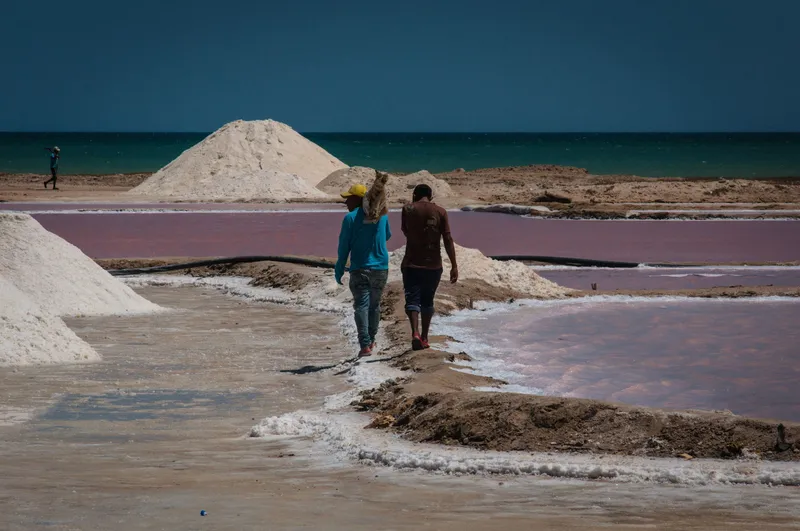
Some of Colombia’s oldest cultures still live on the land they have always called home, and a respectful visit offers a perspective you’ll find nowhere else. In the Sierra Nevada de Santa Marta, the Arhuaco and Kogi peoples keep a worldview centered on caring for what they call the heart of the world. In La Guajira, the Wayuu hold to their language and customs out on the desert peninsula, and near Leticia, Amazonian communities share a deep, practical knowledge of the forest.
These are not visits to arrange casually. The most meaningful ones are community-led and booked through the communities themselves or trusted local organizations, with a clear understanding of what is welcome and what is private. Go with patience, follow your hosts’ lead, and treat the exchange as a conversation rather than a sightseeing stop.
Read our full guide to indigenous cultural experiences in Colombia.
Urban Transformation
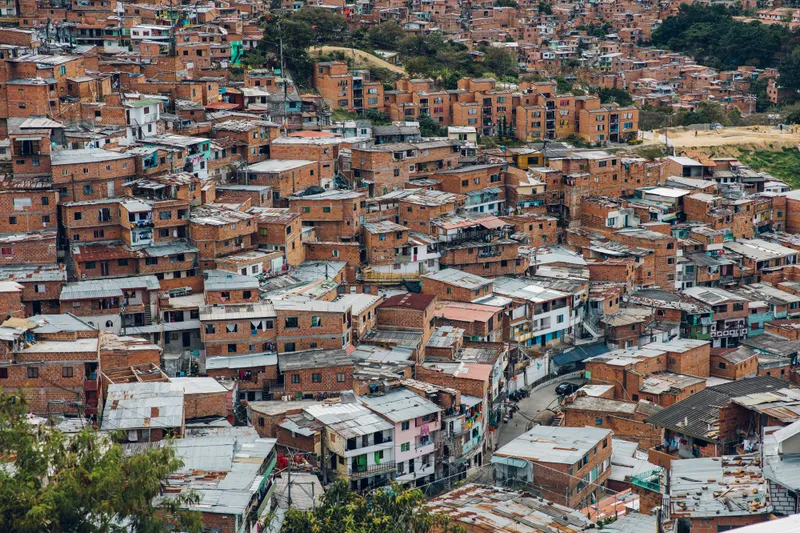
Few places tell a more striking story of change than Colombia’s cities, and seeing it first-hand is an experience in its own right. Medellín is the headline act: the hillside barrio of Comuna 13, once among the most dangerous corners of the country, now welcomes visitors to ride its outdoor escalators past walls of vivid street art, led by guides who lived through the turnaround.
Bogotá tells its own version through graffiti tours and the Sunday Ciclovía, when the main avenues close to traffic and fill with cyclists and families. In several cities, community-run tours in formerly troubled neighborhoods let you hear these stories from the people who lived them, which lands very differently from reading about them back home.
Read our full guide to Colombia’s urban transformation.
Festival Immersion
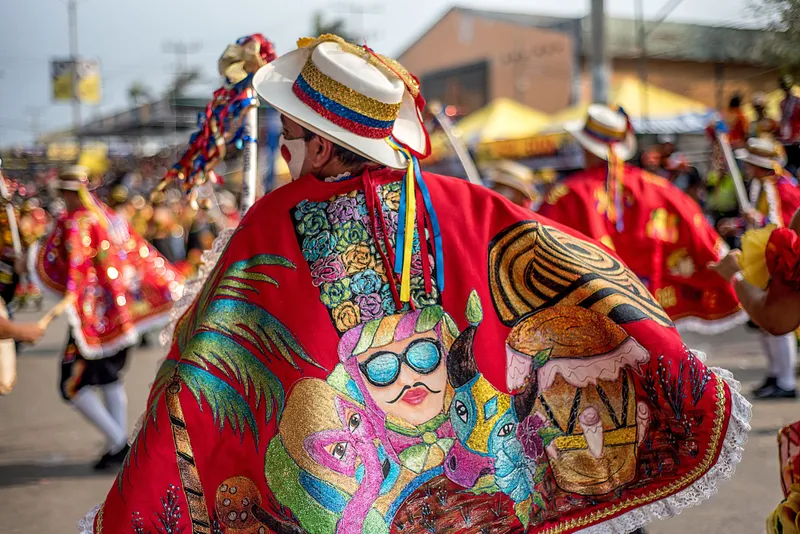
Colombians need little excuse to celebrate, and timing a trip around a festival is one of the surest ways to see the country at full volume. The Carnaval de Barranquilla, in February or March, is one of the largest carnivals on earth: four days of cumbia, costumes, and parades. In December, the Feria de Cali turns the salsa capital into a week-long street party, while August brings Medellín’s Feria de las Flores and its astonishing parade of flower-laden silleteros.
Music lovers can aim for the Festival de la Leyenda Vallenata in Valledupar (late April to early May) or Cali’s Petronio Álvarez festival of Pacific music in August. For something stranger and wonderful, Pasto’s Blacks and Whites’ Carnival each January coats the whole city in paint and powder. Whichever you choose, book your beds early, because host cities fill up fast.
Read our full guide to Colombia’s festivals.
Planning Your Experiences
Best Times to Visit
- Dry season (December to March): the most reliable weather for hiking and time outdoors
- Pacific whale watching: July to October
- Coffee harvest: roughly April to May, and October to December
- Festival season: varies by city, so confirm dates before you book
A Few Practical Tips
- Book cultural and community experiences through certified guides or the communities themselves
- Learn a handful of Colombian Spanish phrases; a little effort goes a long way
- Stay flexible, as some experiences depend on the weather and the season
- Buy directly from artisans, farmers, and family-run operators wherever you can
Traveling Responsibly
The experiences that make Colombia special depend on the communities and landscapes behind them. Choose operators who work directly with local people, tread lightly in fragile places, and let the benefit of your visit stay where you spend it. Our destination guides cover the practical details for each place.