
Updated
On this page
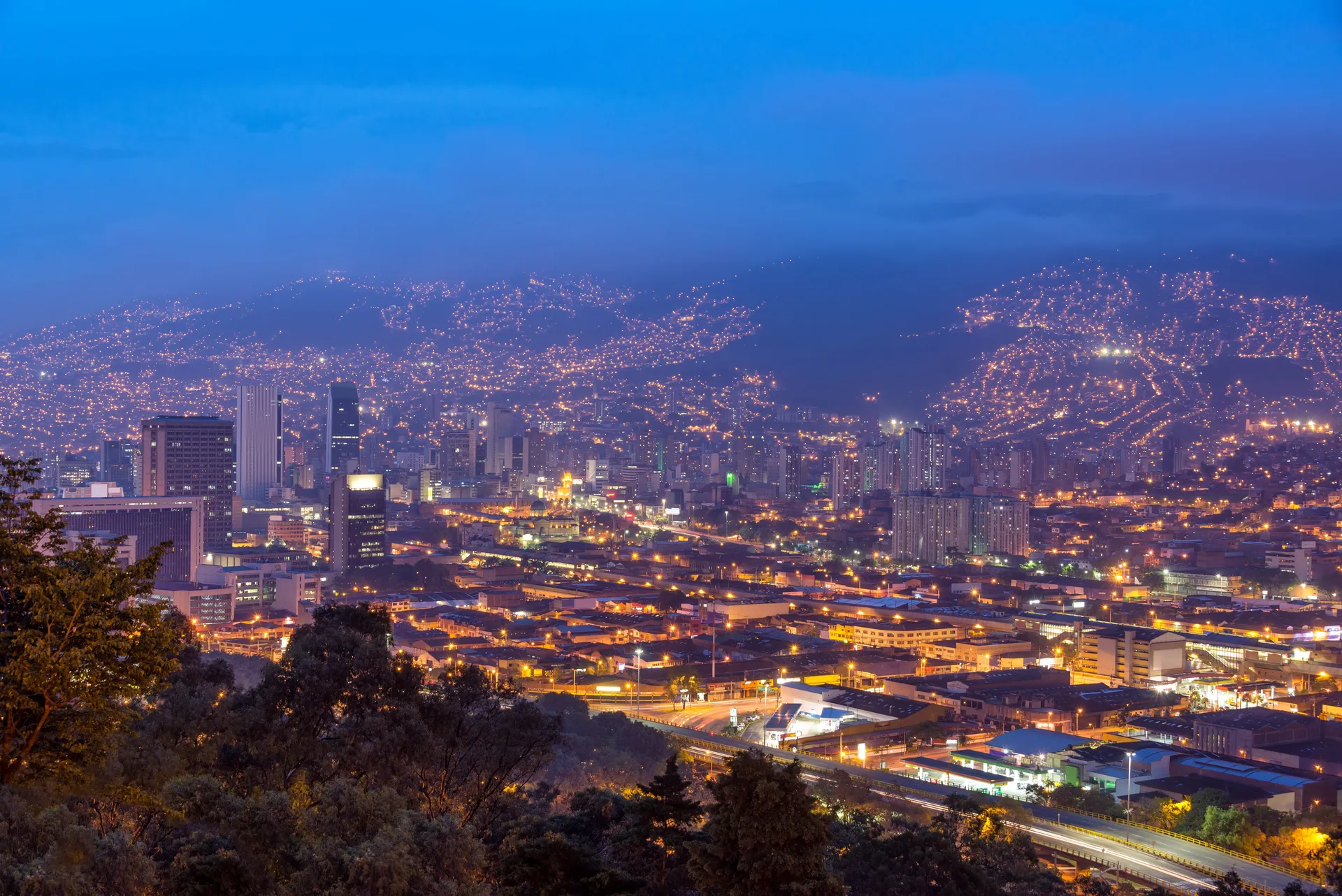
Choosing where to stay in Medellín shapes your whole trip. The city stretches north to south along the Aburrá Valley floor, with neighborhoods climbing the hillsides on either side, and each district has its own character, price range, and rhythm. The right base puts you near the food, transit, and atmosphere you actually want, and saves you long taxi rides across town.
This guide walks through seven of the best areas to stay in Medellín, from the polished cafes of El Poblado to the flat, local streets of Laureles and the small-town feel of Envigado and Sabaneta. For each one, you will find who it suits, how to get around, and practical safety considerations, so you can pick a home base with confidence.
Quick Selection Guide
Medellín’s neighborhoods suit different budgets and travel styles. Prices change by season and by property, so this table gives relative price levels rather than rates: $ is budget, $$$$ is the top end. Rates rise sharply in December and during major festivals; check current prices when you book, and see our guide to what a trip to Colombia costs for typical budgets.
| Area | Price level | Best For |
|---|---|---|
| El Poblado (and Provenza) | $$$ to $$$$ | First-time visitors, nightlife |
| Laureles-Estadio | $$ to $$$ | Local feel, walkability |
| Envigado | $ to $$ | Budget, small-town calm |
| Sabaneta | $ to $$ | Value, authentic paisa life |
| Belén | $ to $$ | Mid-range, residential |
| Ciudad del Río / Conquistadores | $$ to $$$ | Central, modern, walkable |
| El Centro | $ | Budget, daytime sightseeing |
The sections below unpack each area in more detail, including its transit access and the practical precautions worth keeping in mind.
El Poblado (and Provenza)
El Poblado is the default choice for most international visitors, and for good reason. This leafy district in the south of the city holds the highest concentration of hotels, restaurants, rooftop bars, co-working spaces, and English-friendly services in Medellín. The Provenza pocket around Parque Lleras is the social heart of it all, buzzing with dining and nightlife, while quieter uphill streets offer boutique hotels and specialty cafes.
Who It Suits
El Poblado works best for first-time visitors, digital nomads, and travelers who want comfort, variety, and a lively social scene close at hand. If you value walkable dining, easy taxis, and plenty of accommodation options, this is the convenient pick and one of the city’s lower-risk bases, though its busy nightlife streets attract pickpockets and scams aimed at visitors, so keep your phone close at night.
Transit Access
Poblado station on Metro Line A sits at the bottom of the hill, connecting you quickly to the rest of the valley. Most of the neighborhood’s action, though, climbs uphill to the east, so you will often take a short taxi or ride-hailing trip up from the Metro rather than walking the steep grade.
Practical Safety Considerations
El Poblado is one of the more comfortable areas for visitors, but its popularity draws pickpockets and phone snatchers, especially around Parque Lleras at night. Keep your phone out of sight on the street, and be extra alert in crowded bars. Weekend nights around Lleras can get rowdy with party tourism, and this is also where scopolamine and drink-spiking warnings apply most, so never leave a drink unattended or accept one from a stranger. Use a ride-hailing app to get home late rather than walking unfamiliar streets.
Laureles-Estadio
If El Poblado feels too polished or touristy, Laureles-Estadio is the natural alternative. Flat, gridded, and lined with trees, this is where many paisas actually live, and it has become increasingly popular with longer-stay visitors who want a more local feel. The dining and bar scene skews toward residents, prices run lower than El Poblado, and the round Circular avenues and neighborhood parks make it a genuine pleasure to explore on foot.
Who It Suits
Laureles suits travelers who prefer local cafes over rooftop clubs, want flat and walkable streets, and are happy to trade some tourist infrastructure for authenticity. It is especially good for longer stays and for anyone who finds El Poblado’s hills tiring. Accommodation generally costs noticeably less than in El Poblado.
Transit Access
Estadio and Suramericana stations on Metro Line B border the neighborhood, and the flat terrain makes walking and cycling easy. The Estadio Atanasio Girardot sits right here, so you are close to match-day energy and the classic bars along La 70.
Practical Safety Considerations
Laureles is largely residential and calm, but standard city awareness still applies. La 70 and the area around the stadium get busy at night, particularly on match days, so keep valuables secure in the crowds. Quieter side streets can feel empty after dark, so favor busier routes and use an app-booked ride late at night rather than a long solo walk. As everywhere in the city, keep your phone pocketed on the street.
Envigado
Technically a separate municipality, Envigado functions as part of greater Medellín and connects seamlessly by Metro. It keeps a distinct small-town feel, centered on a pretty main park and church, with traditional bakeries, local restaurants, and a slower pace than the tourist districts to the north. Prices are noticeably lower, which makes it a favorite with budget-conscious and longer-term visitors.
Who It Suits
Envigado is ideal for travelers who want authentic paisa daily life, good value, and metro access without the party-tourism buzz. It appeals to digital nomads settling in for weeks and to anyone who prefers neighborhood tiendas over international nightlife. Hotels, guesthouses, and apartments here cost well below comparable El Poblado options.
Transit Access
Envigado station on Metro Line A links you directly into the valley’s main axis, though the historic center sits a short taxi or bus ride from the station itself. Buses also serve the area well, and taxis are plentiful.
Practical Safety Considerations
Envigado is a settled residential municipality, and everyday precautions are enough. As in any area, be aware on quiet streets after dark and keep your phone and wallet out of view in busier spots. Ask your accommodation about the specific blocks around you, since conditions vary from street to street, and lean on ride-hailing apps for late trips back from a night out elsewhere.
Sabaneta
Just south of Envigado near the southern end of Metro Line A, Sabaneta is the smallest and arguably most charming of the valley’s southern towns. It centers on a lively central plaza and church where locals gather in the evenings, surrounded by traditional restaurants, bakeries, and bars. It has grown popular with expats and long-stay travelers seeking value and a genuine community feel, while remaining firmly a place where paisas live rather than a tourist stage set.
Who It Suits
Sabaneta suits budget travelers, remote workers, and anyone who wants an authentic, community-oriented base with easy metro access. It rewards those happy to be a little farther from the main attractions in exchange for lower prices and a strong sense of place. It offers some of the best-value accommodation in the metropolitan area.
Transit Access
Sabaneta station, one stop before La Estrella at the southern end of Metro Line A, gives you a direct, if longer, ride up to El Poblado, El Centro, and beyond. Journeys into the city take a little longer from here, but the connection is simple and cheap.
Practical Safety Considerations
Sabaneta feels relaxed and local, and normal urban awareness serves you well. The central plaza is busy and sociable in the evenings; keep valuables secure in the crowds and on the Metro during peak hours. As with the other southern towns, ask locally about specific streets, and use an app-arranged car for late returns rather than walking unfamiliar routes after dark.
Belén
West of the river and south of Laureles, Belén is a large, primarily residential district where Colombian families outnumber tourists. It offers middle-ground value: more local and affordable than El Poblado or Laureles, with decent amenities, neighborhood restaurants, and cafes frequented by locals. It rarely appears on a first-timer’s radar, which is part of its appeal for travelers wanting to live a little more like a resident.
Who It Suits
Belén works for mid-range and budget travelers who want a calm, residential base and do not mind being slightly removed from the main tourist and nightlife zones. It suits those on a longer stay who value quiet streets and local prices over walk-to-the-bar convenience. Small hotels and guesthouses charge local rather than tourist prices.
Transit Access
Belén is served by feeder buses connecting to the Metro rather than sitting directly on a rail line, so getting around usually means a bus, taxi, or ride-hailing trip to the nearest station. Factor in a little extra travel time compared with neighborhoods right on the Metro.
Practical Safety Considerations
Belén is a broad district, and its character varies from block to block, so it pays to ask your accommodation about the immediate area before booking and before walking around at night. Everyday precautions apply: keep your phone out of sight, stick to busier streets after dark, and use ride-hailing apps for evening trips. Its residential nature means fewer late-night crowds, which cuts both ways for quiet streets.
Ciudad del Río / Conquistadores
For a central, modern base between El Poblado and Laureles, consider Ciudad del Río or neighboring Conquistadores. Ciudad del Río has been reinvented around the Museo de Arte Moderno (MAMM) into a compact, walkable pocket of new apartment towers, cafes, and restaurants, while Conquistadores offers a leafy, upmarket residential feel bordering Laureles. Both put you close to the valley’s center of gravity without El Poblado’s crowds or price premium.
Who It Suits
This area suits travelers who want a central, contemporary base with good dining and easy access in every direction, and who like the idea of being near a cultural anchor like the MAMM. It works well for couples and remote workers who value modern apartments and a slightly quieter scene. Rates sit between Laureles and El Poblado.
Transit Access
Industriales station on Metro Line A serves Ciudad del Río and sits within reach of Conquistadores, giving you a central position on the network. From here El Poblado, El Centro, and Laureles are all short hops, and Cerro Nutibara and Mercado del Río are close by.
Practical Safety Considerations
This is a central, relatively busy area, and standard precautions apply. The blocks around Industriales and the river carry more traffic and foot movement, so keep your phone and bag secure, especially near the station and after dark. As always, favor well-traveled streets at night and book a ride rather than walking long distances late. Ask your host about the closest safe walking routes to the Metro.
El Centro
El Centro is Medellín’s historic and commercial core, home to Plaza Botero, the Museo de Antioquia, and a dense, energetic street life by day. It also holds the city’s cheapest accommodation, with basic hotels around Parque Berrío. That said, most visitors are better off treating El Centro as a daytime destination to explore rather than a place to sleep.
Who It Suits
El Centro appeals mainly to budget travelers who are comfortable in busy, working-class urban environments and want to be steps from the downtown museums and markets. For most visitors, though, the trade-offs outweigh the savings, and staying in Laureles, Envigado, or Sabaneta and commuting in by Metro delivers a better overall experience.
Transit Access
Transit here is excellent, which is exactly why it makes such a good daytime target from elsewhere. Parque Berrío and San Antonio stations on Metro Line A put you right among the sights, and San Antonio is the interchange with Line B toward San Javier and Comuna 13.
Practical Safety Considerations
El Centro is vibrant and rewarding by day but empties out and warrants extra caution after dark, which is the main reason it is not recommended as a base. Visit during daylight, keep valuables out of sight, and stay on the main, busy thoroughfares. If you do explore, a guided walking tour adds both context and comfort. For a fuller picture, read our Colombia safety guidelines, and treat different blocks and hours on their own terms rather than assuming.
Booking Tips
A little planning goes a long way toward getting the right room at the right price in Medellín.
- Book December and festivals early. Rates climb sharply and rooms fill fast around Christmas and New Year, when the alumbrados draw huge crowds, and again during the Feria de las Flores in early August and Semana Santa. Reserve well ahead for these periods.
- Consider longer-stay discounts. Many apartments and aparthotels offer meaningful weekly and monthly rates, which makes Envigado, Sabaneta, and Laureles particularly good value for remote workers settling in.
- Check the hill factor in El Poblado. A cheaper room far up the slope can mean a steep walk or a daily taxi. Confirm how close a Poblado listing actually is to the flat, walkable streets you want.
- Confirm the exact block. Character can shift street to street across the city, so read recent reviews and ask your host about the immediate surroundings and the best-lit, busiest walking route to transit.
- Prioritize Metro access. A place within a short walk of a station saves time and money and reduces late-night taxi reliance. Our guide on how to get around Medellín explains the lines and the Cívica card.
Final Thoughts
There is no single best place to stay in Medellín, only the best fit for how you want to travel. First-time visitors who want convenience, nightlife, and English-friendly services will feel at home in El Poblado, while those after a flatter, more local base gravitate to Laureles-Estadio. Budget-minded and longer-stay travelers find strong value and community in Envigado and Sabaneta, Belén offers a quiet residential middle ground, and Ciudad del Río or Conquistadores balance central access with a modern, walkable feel. El Centro is best enjoyed by day and left to sightseeing rather than sleeping.
Whichever area you choose, the city’s clean, integrated Metro ties it all together, so you are never far from the rest of the valley. Match your neighborhood to your priorities, follow the everyday precautions in our Colombia safety guidelines, and you will have a comfortable base for exploring one of South America’s most rewarding cities.
Note: Prices and conditions change over time. We recommend confirming rates and current details before you book.