
Updated
On this page
Colombians need little excuse to celebrate, and when they do, they do it at full volume. A festival here is not a stage you watch from a fenced-off distance; it spills into the streets, closes whole neighborhoods to traffic, and pulls in everyone from toddlers to grandparents. Time a trip around one of the country’s great festivals and you’ll see Colombia at its most joyful, generous, and unguarded.
The calendar is packed, but a handful of celebrations stand above the rest, each rooted in a particular region and its music. The Caribbean coast throws one of the largest carnivals on earth; Cali turns salsa into a week-long street party; Medellín parades hillsides of flowers through its avenues; and smaller cities guard traditions that UNESCO has recognized as heritage of humanity. This guide walks through the biggest festivals worth planning a trip around, with the timing to aim for, a sense of what each is actually like, and the practical advice that makes the difference between joining the party and watching from the sidelines.
One word of warning before you book: festival dates shift from year to year, several of them tied to the moving date of Lent or to organizers’ annual planning. Treat the windows below as a guide, and always confirm the current year’s exact dates through official channels before you lock in flights and accommodation.
Carnaval de Barranquilla
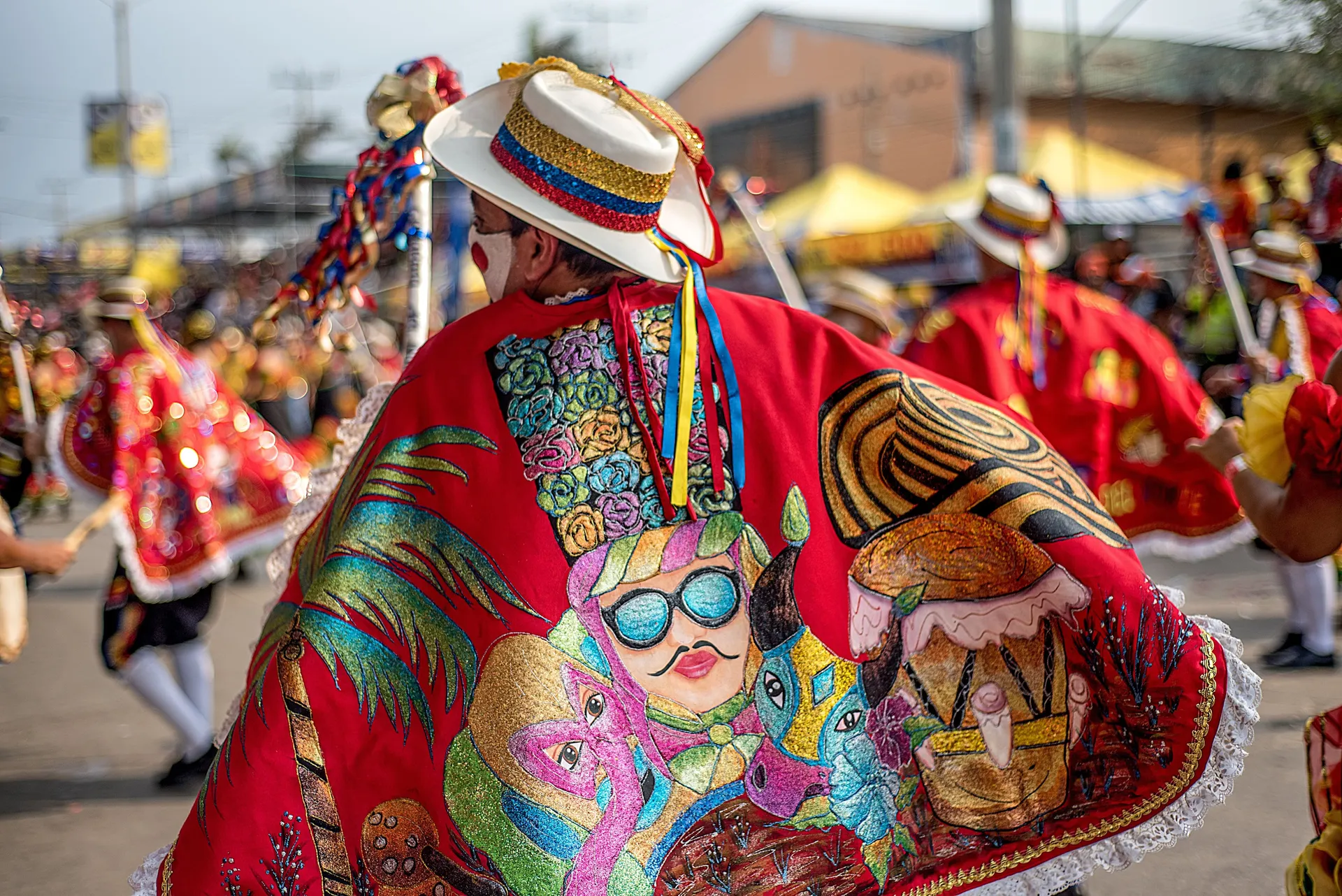
If you see only one Colombian festival, make it this one. The Carnaval de Barranquilla is among the largest carnivals on the planet, second in size only to Rio’s, and UNESCO named it a Masterpiece of the Oral and Intangible Heritage of Humanity. It fills the Caribbean port city of Barranquilla for the four days before Ash Wednesday, which usually falls in February or early March depending on the church calendar, so confirm the exact dates for your year.
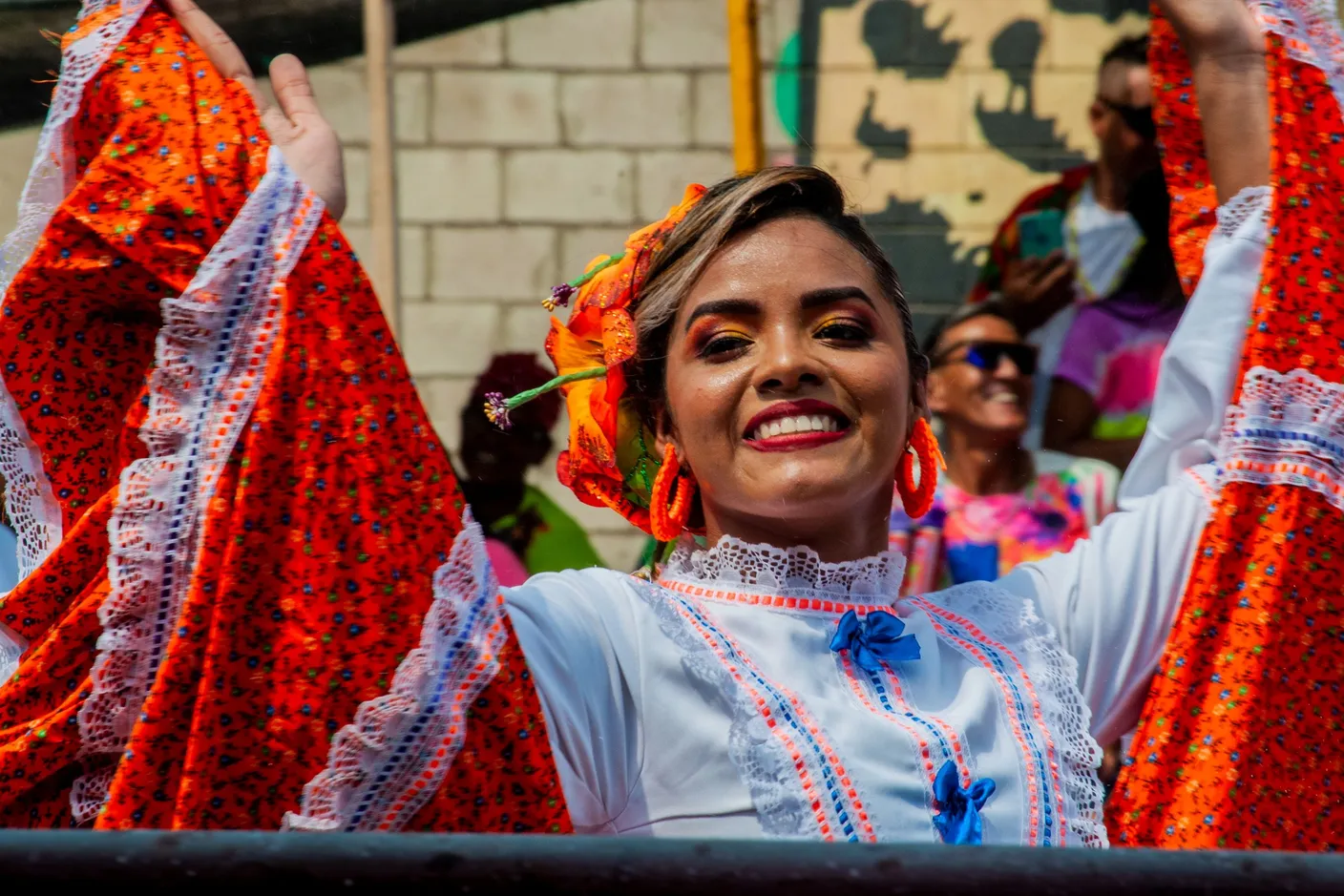
The heart of it is the music and the parades. The opening Batalla de Flores, a vast procession of floats, is the signature event, and across the four days you’ll see cumbia, mapalé, garabato, and dozens of other coastal forms danced in full costume, from feathered headdresses to the grinning Marimonda mask that has become the carnival’s emblem. It is loud, hot, chaotic, and completely infectious.
Barranquilla is not a major tourist city the rest of the year, so its hotels fill fast and prices climb during carnival. Book accommodation months ahead, buy seats in the palcos (grandstands) if you want a guaranteed view of the main parades, and pace yourself in the heat. Many visitors base themselves in nearby Cartagena and travel over for a day or two, though staying in the city itself lets you catch the late-night street parties.
Feria de Cali
Where Barranquilla has cumbia, Cali has salsa, and the Feria de Cali is the salsa capital of the world at its most exuberant. Held every year from December 25 to 30, it caps the Christmas season with a solid week of salsa marathons, live concerts, the Salsódromo parade of dancers, and street parties that run deep into the night.
This is a festival for anyone who loves to move. The standard on a Caleño dance floor is famously high, but the whole city is in a celebratory mood, and beginners are welcomed far more warmly than you might expect. If you want to hold your own, even a lesson or two beforehand transforms the experience; our guide to dancing in Colombia covers where to learn and how to step onto a crowded floor without feeling lost.
The best salsa venues cluster in neighborhoods like Juanchito, often well outside the center, so arrange a booked ride or a venue-recommended taxi both ways rather than walking late. Book your accommodation early: December is peak season across Colombia, and Cali is busiest of all this week.
Feria de las Flores
Medellín throws its biggest party in early August, and the Feria de las Flores (Festival of the Flowers) is one of the most photogenic celebrations in the country. Running for roughly ten days, it fills the city of eternal spring with concerts, horse parades, classic-car processions, and open-air events across its parks and plazas.
The undisputed climax is the Desfile de Silleteros. Flower farmers from the nearby hillsides of Santa Elena carry enormous, intricately arranged floral displays, some weighing well over 50 kilograms, strapped to their backs on wooden frames called silletas. The tradition grew from the way farmers once carried their flowers to market, and the parade is now a point of deep regional pride. Grandstand seating along the route sells out, so arrange it in advance if you want a comfortable view.
Early August is a popular time to visit Medellín, with its mild climate at its best, so book accommodation well ahead. The festival is spread across the whole city, which makes it easy to dip in and out between the parades and the rest of Medellín’s sights.
Festival de la Leyenda Vallenata
Drift north to the city of Valledupar, on the plains near the Sierra Nevada, and you reach the spiritual home of vallenato, the accordion-driven music that is arguably Colombia’s most beloved. The Festival de la Leyenda Vallenata is its great pilgrimage event, held over several days from late April into early May, with pre-festival activities beginning in the days before the main competition.
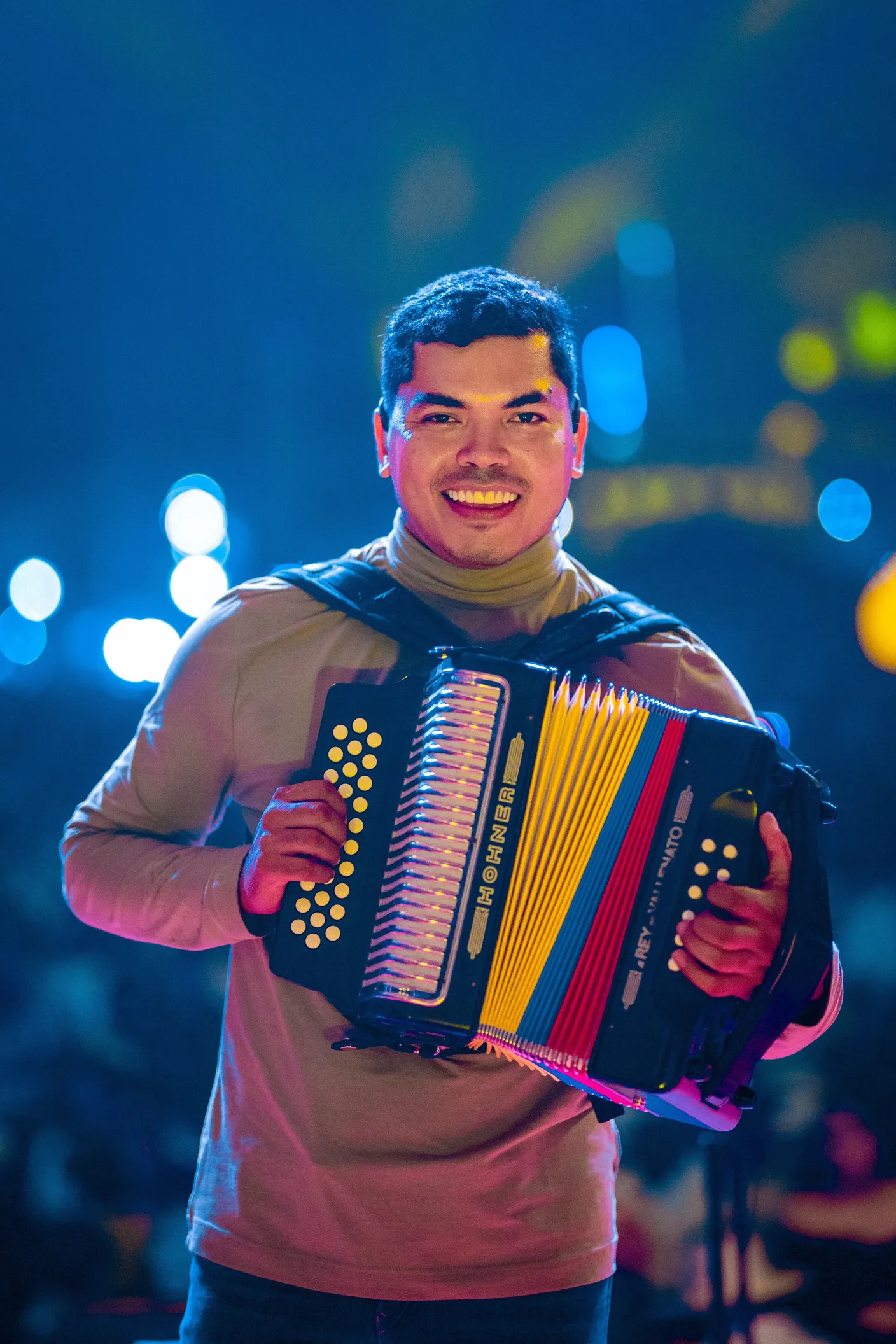
At its center is a fiercely contested accordion competition that crowns a Rey Vallenato (Vallenato King), the highest honor in the genre and a title musicians spend years chasing. Around the competitions, the city fills with concerts, parrandas (informal jam sessions that can last all night), and the unmistakable sound of the accordion, caja drum, and ridged guacharaca scraper drifting from every corner. It is less a costumed spectacle than an immersion in a living musical tradition, and all the more rewarding for it.
Valledupar sees far fewer international visitors than Colombia’s headline cities, so this is a festival where a little Spanish and an open, curious attitude go a long way. Accommodation is limited and books up during the festival, so plan ahead.
Festival de Música del Pacífico Petronio Álvarez
Back in Cali each August, the Festival de Música del Pacífico Petronio Álvarez is the largest celebration of Afro-Pacific culture in the Americas, and a striking counterpoint to the city’s salsa scene. Over several days, roughly a thousand musicians and performers bring the sounds of Colombia’s remote Pacific coast to the city: the marimba-led currulao, the brass-and-drum chirimía, and the bunde, performed by ensembles competing for top honors. The 2026 edition was suspended after the August 10 earthquake. As of October 1, 2026, the city is aiming for a smaller edition in November, with no date confirmed; our 2026 festival post has the latest.
The festival is about far more than the music. It is a full immersion in Afro-Colombian heritage, with stalls serving Pacific dishes and drinks you’ll rarely find elsewhere, artisans selling crafts, and a proud display of the region’s traditional dress. For many visitors it is the most accessible way to experience a culture whose homeland, along the Chocó coast, is otherwise hard to reach. Exact dates vary year to year but fall in August, so check the current edition before planning around it.
Carnaval de Negros y Blancos
For something older and stranger, head to the southern Andean city of Pasto in early January. The Carnaval de Negros y Blancos, another UNESCO-recognized heritage of humanity, grew out of Indigenous Andean and Hispanic traditions and unfolds over the first days of the year, with the main events concentrated around January 5 and 6.
The name comes from its two signature days. On the Día de Negros, revelers playfully smear one another with black cosmetics; on the following Día de Blancos, the crowd turns to white talc and foam. The gesture is meant to symbolize equality and unity across the city’s ethnic and cultural lines, and the days are joined by elaborate float parades whose enormous figures are the work of local artisan families who labor over them for months. Expect to get thoroughly painted and powdered if you join in; wear clothes you don’t mind sacrificing, and protect your camera or phone.
Pasto is high, cool, and off the main tourist trail, which is part of the appeal. As with the other regional festivals, book accommodation early and confirm the year’s program before you travel.
Planning Around a Festival
A festival can be the highlight of a Colombia trip, but only if the logistics are handled. A few principles apply across all of them:
- Confirm the dates first. Several of these festivals move year to year. Check official festival or city tourism sources for the current edition before booking anything, and treat any date you see repeated online with caution until you’ve verified it.
- Book accommodation early. Host cities fill up fast, and prices rise sharply during their big festival. Reserving two to three months ahead is sensible for the largest events like Barranquilla’s Carnival and the Feria de Cali.
- Secure grandstand seats for the marquee parades. For the Batalla de Flores in Barranquilla or the Desfile de Silleteros in Medellín, paid palco seating gives you a guaranteed view and sells out in advance.
- Plan your transport, especially at night. Festival crowds, closed roads, and late finishes make getting around harder than usual. Arrange booked rides both ways rather than walking unfamiliar areas after dark, and see our Colombia safety guide for the practical basics.
- Pace yourself. These are multi-day marathons in often hot, crowded conditions. Carry water, use sunscreen, and don’t try to see everything in one go.
- Learn a little of the music first. Whether it’s salsa for Cali or simply knowing your cumbia from your currulao, a bit of preparation makes any festival richer. Our guide to Colombian dance is a good place to start.
Whichever celebration you choose, come ready to join in rather than just observe. Colombia’s festivals are at their best when you accept the invitation, and it will come.