
Updated
On this page
Colombia’s nature trips ask quite different things of a traveler. A morning watching birds can fit around a stay in Minca or the Coffee Region. Pacific whales and Caño Cristales are reasons to shape the dates of a whole trip. The Amazon rewards time on the river, while páramo and cloud forest put the landscape itself at the center of a walk.
Start here to choose the experience that fits your interests, time, and route. The linked guides cover the next decisions: where to base yourself, what to book, and what access involves.
Birdwatching
A good fit for a spare morning or a trip built around wildlife. Birdwatching is the most flexible starting point: try a guided walk near Minca, visit a Coffee Region reserve, or spend several days exploring different elevations in the Sierra Nevada de Santa Marta. Forests that look similar can hold quite different birds, so choosing a region matters more than chasing a national species total.
Resident birds give you a reason to go throughout the year; target species, migration, and local weather help narrow the dates. Our birdwatching guide compares the main regions, explains reserve visits, and covers guides and gear.
Whale Watching on the Pacific
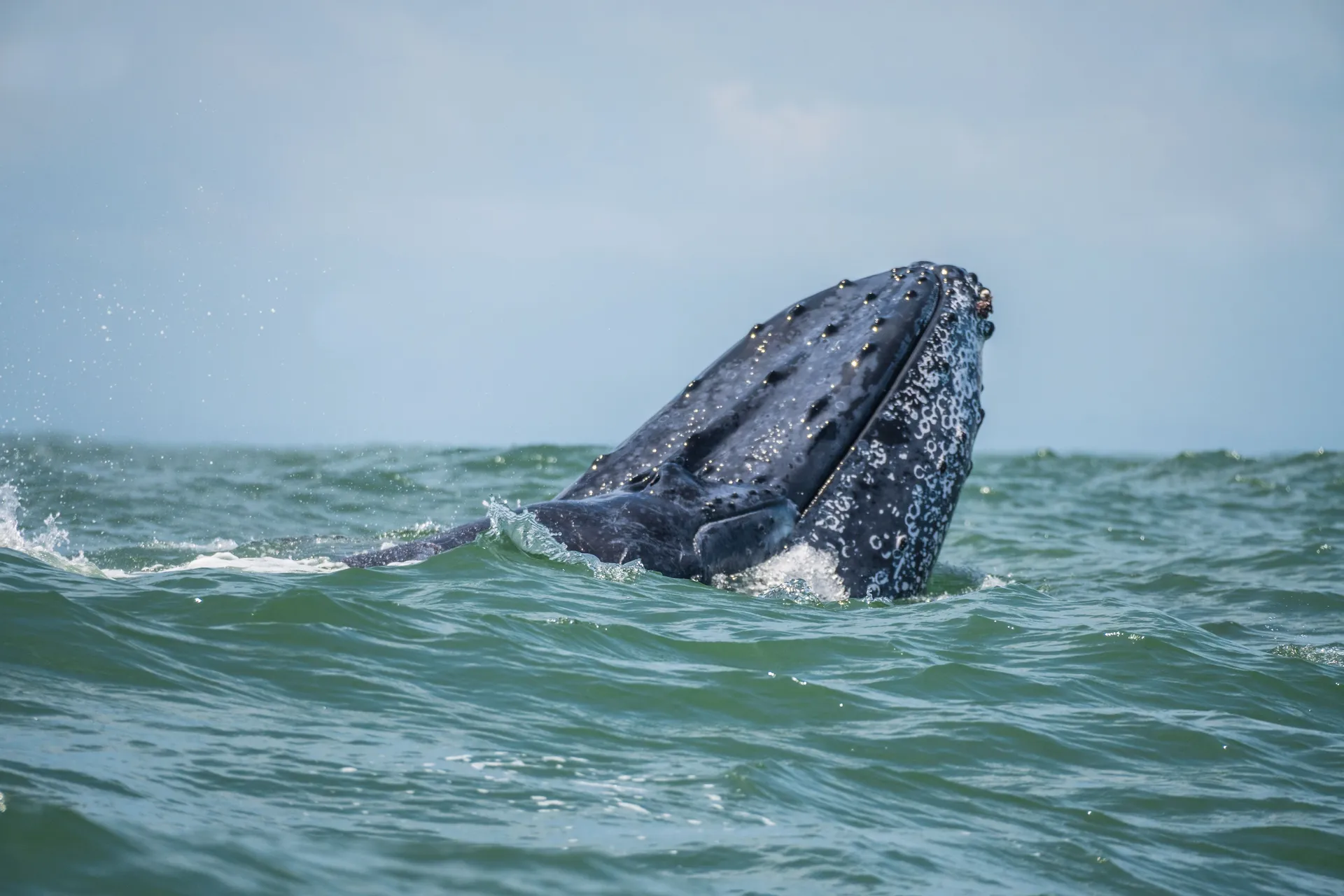
A seasonal trip to plan around. Humpback whales gather along Colombia’s Pacific coast to breed and raise calves. Around Utría, the park authority lists whale watching from June through October; exact trip dates depend on the locality and operator. Sightings are never guaranteed.
Nuquí and Bahía Solano are bases for combining time on the water with rainforest and coastal stays. Allow several nights and flexibility around travel. Our whale watching guide compares these bases and covers flights, package inclusions, responsible watching, and the advisory restrictions relevant to an itinerary.
Caño Cristales
For a trip centered on a distinctive landscape. The appeal of Caño Cristales is the riverbed: aquatic plants produce reds, pinks, and other colors as light and water conditions change. It is a walking and landscape experience, with wildlife adding to the visit rather than being its main promise.
Plan around the authorized visiting season and allow several days around La Macarena. A photograph cannot tell you what the river will look like on your dates. Our Caño Cristales destination guide owns the detailed planning: season announcements, access, permits, fees, and walking routes.
The Amazon From Leticia
For time immersed in rivers and rainforest. Leticia is a starting point for boat journeys into Colombia’s Amazon. Lakes and river channels offer opportunities to look for dolphins and birds, while forest walks change the scale from a broad river view to the sounds and movement around you.
Give this part of a trip several days rather than treating it as a quick wildlife stop. Ask a prospective lodge which waterways and walks its itinerary includes, how conditions affect those outings, and who guides them. Wildlife sightings take patience. For visits hosted by local communities, our Indigenous cultural experiences guide explains how to approach the exchange respectfully.
Páramo and Cloud Forest
For travelers who want the walk as much as the wildlife. Cloud forest brings mossy trees, mist, and birdlife; higher up, páramo opens into grasslands and distinctive frailejón plants. These habitats overlap with birding trips, but a landscape walk and a morning focused on finding birds move at different speeds.
Choose the route for your fitness, altitude experience, and available time. Mountain weather and park access need checking for the particular place, rather than relying on a single Colombian dry season. Our trekking and hiking guide covers walking options; use the birdwatching guide if birds are the priority.
Choosing What Fits Your Trip
If your route is already fixed, look first for birding or a nature walk near a destination you are visiting. If one seasonal experience is the reason for going, arrange its dates and access before filling in the rest of the itinerary. Leave room for weather and avoid building the trip around a guaranteed animal encounter.
Before committing to a remote itinerary, check the destination-specific guidance and the attributed advisories in our Colombia safety overview. For other ways to shape the trip, return to Experiences.
Sources
- ProAves: El Dorado Reserve, Sierra Nevada habitats and birdlife
- Parques Nacionales: Utría, whale season and coastal habitats
- Parques Nacionales: Caño Cristales season announcement, river plants and seasonal colors
- Colombia Travel: Leticia and Amazonian lakes, river journeys and wildlife
- Parques Nacionales: Los Nevados, highland habitats