
Updated
On this page
Updated October 1, 2026: the Coffee Region after the August earthquake.
A magnitude 7.4 earthquake struck western Colombia on August 10, 2026, and Risaralda, Quindío, and Caldas were among the departments damaged. By early September the region was receiving visitors again: Pereira’s Matecaña airport reopened to commercial flights on August 26, Panaca, Bioparque Ukumarí, and the Parque Nacional del Café reopened after structural checks, and Salento’s town hall said there were no restrictions on visiting. That is not the same as saying the recovery is over. Reconstruction will take years, and some hotels were still closed in late August. Book your accommodation before your flights, and confirm current conditions with your hotel or operator. Our September recovery update sets out what has reopened, with sources.
The guide below was written before the earthquake.
Colombia’s Coffee Region, the Eje Cafetero, is one of the easiest and most rewarding stops to fold into a wider trip. It sits in the central Andes within an hour’s flight of the main cities, so it slots naturally between a stay in Bogotá and a few days in Medellín, and it trades city noise for green hillsides, cool mountain air, and slow small-town mornings. This guide is the practical companion to our Coffee Region overview: it covers how to get there, where to base yourself, what a farm tour actually involves, what a day costs, and how to shape a trip of two, three, or five days.
The region suits a wide range of travelers. Coffee enthusiasts come for the fincas, hikers come for the wax palms of the Cocora Valley, and plenty of people come simply for the scenery and the unhurried pace. You do not need to be an expert in either coffee or Spanish to have a good time here, and the towns are compact enough that a short visit still feels worthwhile.
Getting There
Most visitors arrive by air. The region has three airports, and which one you choose depends on where you are headed.
Pereira (PEI, Matecaña) is the busiest and best-connected gateway, useful if you are basing in Pereira, Salento, or Filandia. Armenia (AXM, El Edén) is the closest airport to Salento and Filandia, roughly 40 minutes from Salento, and it is the most convenient landing point if those villages are your real target. Manizales (MZL, La Nubia) serves the north of the region and the Nevado del Ruiz area, but its runway sits high on a ridge and is prone to fog and weather closures, so flights are sometimes delayed or diverted to Pereira. Keep a buffer if you fly into Manizales.
From Bogotá, the flight to Pereira or Armenia takes about an hour. Avianca and LATAM cover both, JetSMART flies the Bogotá to Pereira route, and Wingo serves Armenia, while EasyFly operates the smaller Manizales run. One-way fares commonly fall between COP 120,000 and COP 350,000 (about USD 38 to USD 110), with the lowest fares landing if you book two to four weeks ahead rather than at the last minute. From Medellín, the same airports are only about 35 to 45 minutes away by air.
If you prefer to travel overland, buses are cheaper and let you see the landscape, at the cost of most of a day. From Bogotá, buses to Armenia take around eight hours and start near COP 85,000 (about USD 27), while buses to Pereira take roughly eight and a half hours and start around COP 60,000 (about USD 19); most depart from the Salitre terminal. There is no direct bus from Bogotá to Salento, so you transfer at Armenia’s terminal and pick up a frequent local bus for the last 40-minute leg, which costs only a few thousand pesos. From Medellín, the ride is shorter: buses to Pereira take about five to six hours for around COP 90,000 (about USD 28), and Armenia is a similar distance, with departures from the Terminal del Norte. Flying is usually the better trade if your budget allows, since domestic fares are often close to bus prices and save an entire travel day. If you are coming straight from the capital, our Bogotá transport guide covers getting out to El Dorado Airport.
Where to Base Yourself
You will get the most out of the region by picking one base and taking day trips, rather than moving hotels every night. Three broad options cover most travelers, and our guide to where to stay in the Coffee Region breaks down specific properties and verified nightly rates across budget, mid-range, and upscale tiers, including coffee-finca stays.
Salento is the default first-timer’s choice. This small, brightly painted pueblo in Quindío puts coffee farms, restaurants, tour desks, and the Cocora Valley jeeps all within walking distance of its main plaza and Calle Real. It is the most set up for visitors and the most social, which is exactly why it fills on weekends and holidays. If you want everything in easy reach and do not mind crowds, start here, and read our Salento and Cocora Valley guide for the details.
Filandia is the quieter sibling, about 30 to 45 minutes from Salento by jeep or bus. It has the same colonial charm and excellent nearby farms, a fine viewpoint at the Mirador Colina Iluminada, and noticeably fewer tour buses. Choose Filandia if you want Salento’s look at a gentler tempo and do not mind a short ride to reach Cocora.
The cities (Pereira, Armenia, and Manizales) work best as practical bases rather than destinations in their own right. Pereira and Armenia offer the most flights, hotels, and services, and put you near the Santa Rosa de Cabal hot springs and the Quindío countryside respectively. Manizales sits higher and cooler, closest to the Nevado del Ruiz area. Base in a city if you value flight options, nightlife, and services over cobblestones and village quiet.
Visiting a Coffee Farm
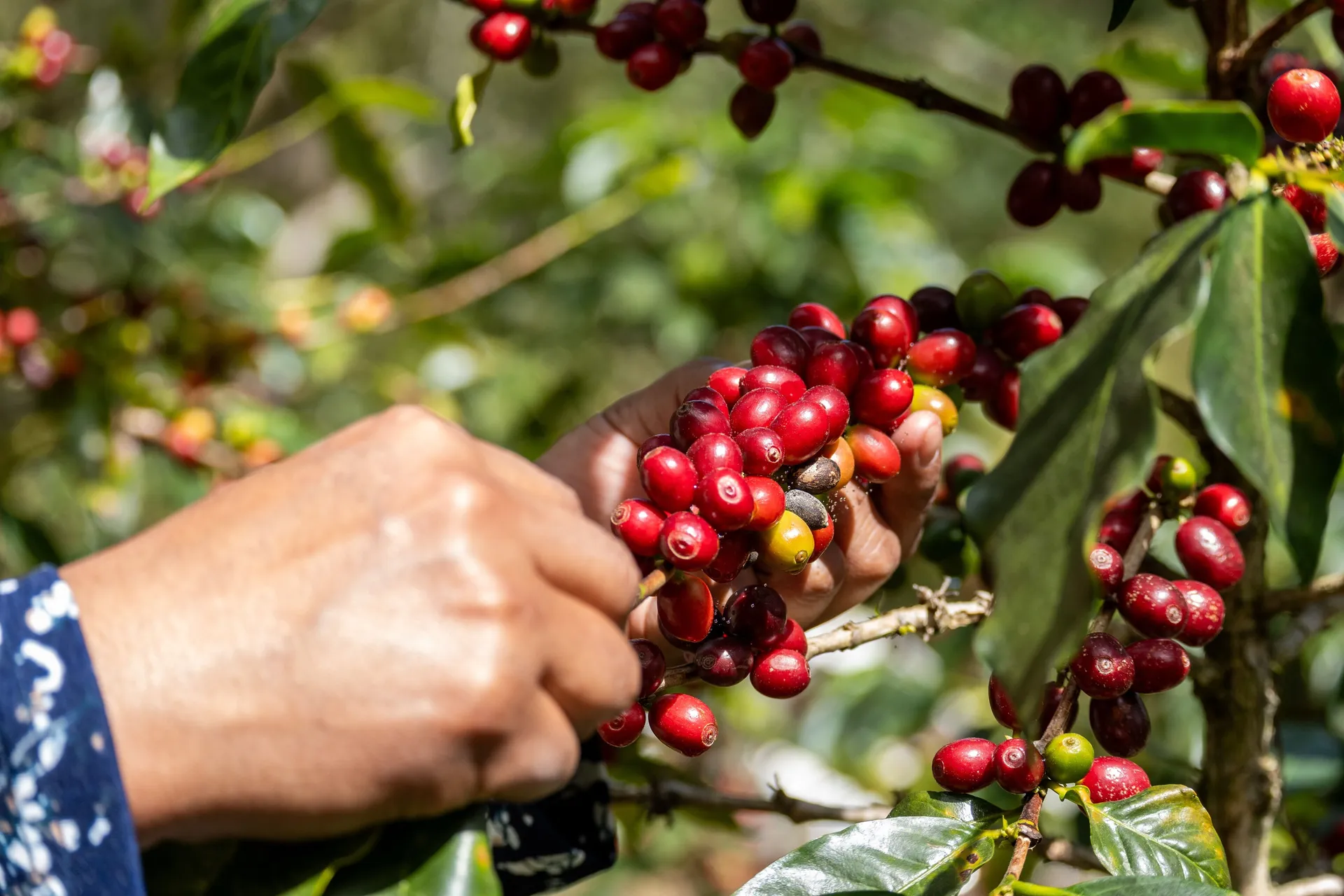
A working finca tour is the centerpiece of most trips here, and it is worth doing even if you are not especially into coffee. A typical tour walks you through the whole journey from seed to cup: how the plants are grown on steep hillsides, how ripe cherries are hand-picked, and how the beans are depulped, dried, roasted, and ground. You usually walk the fields, try your hand at picking, watch the processing, and finish with a tasting of coffee prepared right on the farm. Most tours run one and a half to three hours, and the smaller the group, the more personal the experience. This pairs well with our deeper coffee culture guide, which explains the growing traditions in more detail.
Near Salento, Finca El Ocaso is the best-known farm, about a 15-minute Willys jeep ride from town. Its standard traditional tour runs around COP 50,000 per person (about USD 16), and a smaller-group premium tour of around three hours runs closer to COP 80,000 (about USD 25); English departures are set for specific morning times, so book ahead. Finca Don Eduardo, an easy walk from Salento’s center, is a more intimate, guide-led experience that runs around COP 90,000 to 110,000 (about USD 28 to 35) and is known for knowledgeable, passionate hosts. For a budget-friendly, rustic alternative, small family farms such as Finca Don Elias offer shorter tours from roughly COP 15,000 to 20,000 (about USD 5 to 6). Around Filandia, family-run farms tend to keep groups small; ask at your accommodation or the local tourism office, and budget roughly COP 40,000 to 90,000 (about USD 13 to 28) per person.
A few practical notes: many smaller farms take cash only or add a surcharge for cards, so carry pesos. Wear shoes with grip, since fincas are real hillside farms and the ground turns muddy after rain. The main harvest runs October to December and a secondary harvest, the mitaca, comes around April to May, so a visit in those windows means livelier fields with active picking.
Beyond Coffee
The region rewards travelers who stay long enough to look past the beans. The headline sight is the Cocora Valley, home to the towering wax palm, Colombia’s national tree and the tallest palm in the world. Willys jeeps run from Salento’s main plaza to the trailhead in about 25 minutes for roughly COP 12,000 round trip (about USD 4), and the trails cross private land, so expect small entry fees of around COP 15,000 to 35,000 (about USD 5 to 11) depending on the loop you choose. Our Salento and Cocora Valley guide walks through the hike in detail.
For a slower day, the thermal springs at Santa Rosa de Cabal, about 20 minutes from Pereira, are fed by natural hot mineral water and make an easy way to recover after a hike. Day-pass rates shift seasonally, so confirm the current price on the official Termales de Santa Rosa de Cabal site before you go. For serious high-altitude scenery, Los Nevados National Natural Park near Manizales reaches into glacier-topped páramo. Entry for non-resident foreigners runs around COP 68,000 (about USD 22), plus mandatory ecotourism and insurance fees that bring the total closer to COP 95,000 (about USD 30), and you must go in with an authorized guide; the altitude and weather here are no joke, so treat it as a guided outing rather than a casual stroll. For the rest of the region’s highlights, from the butterfly house near Armenia to playing tejo and the quieter coffee towns, see our roundup of the top 15 things to do in the Coffee Region.
Costs
The Coffee Region is affordable by international standards. Prices below are per item, in COP with rough USD equivalents at about COP 4,000 to the dollar.
| Expense | Typical cost (COP) | Approx. USD |
|---|---|---|
| Hostel dorm bed | 45,000 to 70,000 | 11 to 18 |
| Private room or mid-range hotel | 150,000 to 400,000 | 38 to 100 |
| Lunch at a local restaurant | 15,000 to 35,000 | 4 to 9 |
| Coffee farm tour | 30,000 to 100,000 | 7.50 to 25 |
| Willys jeep ride | 4,000 to 12,000 | 1 to 3 |
Putting that together, a budget traveler staying in dorms and eating set-menu lunches can get by on roughly COP 120,000 to 180,000 (about USD 38 to 57) a day. A mid-range trip with a private room, a farm tour, and sit-down dinners lands closer to COP 300,000 to 500,000 (about USD 95 to 160) a day. Comfortable stays at boutique fincas and haciendas push past COP 600,000 (about USD 190) a day. Carry cash for farms, jeeps, and small towns, since card acceptance is patchy outside the cities.
When to Go and What to Pack
The region enjoys a mild, spring-like climate all year, with daytime temperatures often in the low to mid 20s Celsius (low to mid 70s Fahrenheit) and cooler evenings, especially at Salento’s elevation of around 1,900 meters and higher up near Manizales. Rain can fall in any month, but the wetter stretches run roughly March to May and September to November, while the drier, clearer windows fall around December to February and June to August. July tends to be one of the brightest months. If seeing the harvest matters more than dry skies, aim for October to December or April to May, and accept that those windows can be wet.
Pack for changeable mountain weather. Layers are essential: a light sweater or fleece for cool mornings and evenings, a rain jacket for the afternoon showers that are common even in dry season, and comfortable walking shoes with good grip for muddy farm trails and the Cocora hike. Add sunscreen and insect repellent, since the sun is strong at altitude even under cloud, and bring cash for the small rural payments that cards will not cover.
How Many Days
Two days is the practical minimum. From a single base like Salento or Filandia, you can fit one coffee farm tour and a day in the Cocora Valley, which captures the region’s two signature experiences without much slack. It works if the Coffee Region is a short detour between cities.
Three days is the sweet spot for most people. Keep the farm tour and Cocora hike, then add a slower day: wander a second town such as Filandia or Salento, soak in the Santa Rosa de Cabal hot springs, or simply linger over long lunches and mountain views. This is enough to feel unhurried rather than rushed.
Five days lets you go wider. Split your time between two bases, mix a busier village with a quieter one, add a birding morning or a visit toward Los Nevados, and build in a full rest day. With this long you can see the classic sights and still find the calm corners that make the region worth the trip, which is where the Coffee Region tends to win people over.