
Updated
On this page
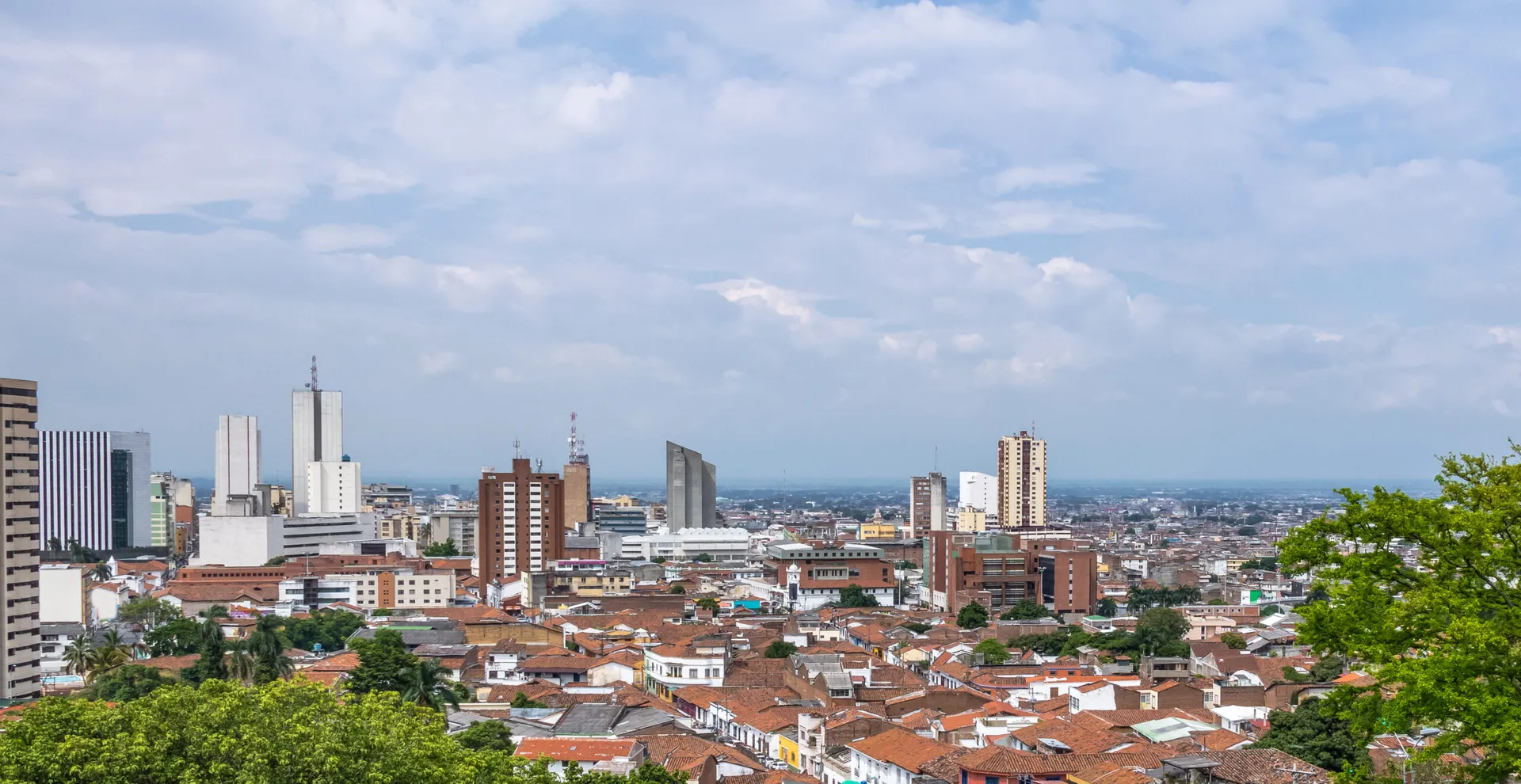
The rhythmic pulse of salsa music drifts through warm evening air as Cali awakens from its afternoon slumber. Colombia’s third-largest city sits strategically in the Valle del Cauca, serving as both the nation’s undisputed salsa capital and its gateway to the Pacific coast. For Western travelers seeking authentic Colombian experiences beyond the well-trodden paths of Cartagena and Bogotá, Cali offers something genuinely different, a city where dance isn’t just entertainment but a way of life, where agricultural wealth meets urban sophistication, and where the Pacific feels close, though the coast is a long, winding road away over the mountains.
Yet Cali remains refreshingly under-touristed compared to Colombia’s coastal gems. This works in travelers’ favor: prices stay reasonable, experiences feel authentic, and locals genuinely welcome foreign visitors who make the effort to explore their vibrant city. But it also means visitors need solid information to navigate this sprawling metropolis safely and efficiently.
About Cali City
Geographic and Demographic Overview
Location and Climate
Cali sprawls across the Cauca River valley at roughly 1,000 meters elevation, with warm weather all year, typically between about 19°C and 30°C (66°F to 86°F). This elevation provides relief from the oppressive heat found in Colombia’s lowland cities while maintaining tropical warmth that keeps salsa dancers comfortable well past midnight. The Farallones de Cali mountains rise dramatically to the west, creating a natural barrier between the city and the Pacific coast while channeling cool breezes through the valley.
The city’s location proves strategically brilliant, close enough to the Pacific for port access through nearby Buenaventura, yet protected from coastal humidity and storms. This geographic positioning has shaped Cali’s development since colonial times.
Population and Districts
With about 2.3 million residents in the city (DANE’s 2026 projection), Cali is Colombia’s third-largest city. The population divides across 22 comunas (districts), each with distinct characteristics. The affluent south includes neighborhoods like Ciudad Jardín and El Ingenio, where shopping malls and gated communities dominate. The historic center and working-class north tell different stories, while the eastern hillside barrios climb precariously up the mountainsides.
Understanding this geography helps: the neighborhoods visitors use, in the west and south, have more tourist infrastructure and are lower-risk, while parts of the east and the hillside barrios carry more risk, particularly after dark.
Cali’s Historical Background
Spanish Foundation
Sebastián de Belalcázar founded Santiago de Cali on July 25, 1536, though indigenous Calima people had inhabited the valley for centuries prior. The Spanish chose this site for its fertile soil and strategic position between the Pacific coast and the Andean highlands. Unlike coastal Cartagena or mountain-perched Bogotá, Cali developed as an agricultural hub, with sugar cane plantations defining its early economy.
The colonial period left fewer grand monuments here than in other Colombian cities, earthquakes and modernization erased much of the 16th and 17th-century architecture. What remains tells the story of a practical frontier town rather than a viceregal showpiece.
Industrial Development
Cali’s transformation from agricultural town to industrial powerhouse accelerated in the early 20th century. The Panama Canal’s 1914 opening suddenly made Pacific ports vital, and Cali capitalized through its connection to Buenaventura. The 1971 Pan American Games marked another watershed moment, spurring infrastructure development that modernized the city practically overnight.
Sugar remained king, but pharmaceutical companies, paper mills, and chemical plants diversified the economy. This industrial base attracted migrants from across Colombia, particularly from the Pacific coast, creating the cultural melting pot that defines modern Cali. The Afro-Colombian influence from these coastal migrants profoundly shaped the city’s music, food, and dance culture.
Economic and Cultural Significance
Major Industries
Sugar cane still dominates the surrounding valley, vast green fields stretch endlessly beyond city limits, feeding massive refineries that produce both sugar and ethanol. But modern Cali has diversified, with manufacturing, services, and a growing health sector.
The service economy now employs most Caleños, with healthcare emerging as a particular strength. Medical tourism and call centers serving Spanish-speaking markets are part of the mix.
Educational Institutions
Universidad del Valle anchors Cali’s educational landscape as one of Colombia’s leading public universities, and its students bring youthful energy to the surrounding neighborhoods. Private institutions like Universidad Icesi and Universidad Javeriana Cali serve wealthier students, creating distinct campus cultures across the city.
These universities attract students from across southwestern Colombia and the Pacific coast, making Cali an educational hub for regions often overlooked by Bogotá and Medellín. This educational infrastructure supports the city’s growing reputation in medical research and engineering, though brain drain to larger cities remains a persistent challenge.
Best Time to Visit Cali
Weather and Seasons
Dry vs Rainy Periods
Cali experiences two dry seasons (December-February and June-August) and two wet seasons (March-May and September-November), though “wet” remains relative, afternoon thunderstorms rather than day-long deluges. The January-February stretch offers the most reliable weather, with minimal rainfall and cooler temperatures that make midday exploration bearable.
September and October bring the heaviest rains, sometimes flooding low-lying neighborhoods and complicating travel to rural areas. But even then, mornings often stay dry, and the rain cools evening temperatures perfectly for salsa dancing. Travelers shouldn’t avoid these months entirely but should pack accordingly and plan indoor alternatives.
Temperature Patterns
Daily temperatures follow predictable patterns year-round. Mornings start pleasantly around 19-22°C (66-72°F), perfect for walking tours or market visits. By noon, temperatures climb toward 28-30°C (82-86°F), sending locals indoors for long lunches and siestas. Evenings cool again to the low 20s, creating ideal conditions for Cali’s legendary nightlife.
This consistency means clothing choices stay simple, lightweight, breathable fabrics work year-round, though air-conditioned buses and malls can feel arctic. A light jacket proves useful for these spaces and for trips into the nearby mountains where temperatures drop significantly.
Peak vs Off-Peak Travel
Festival Seasons
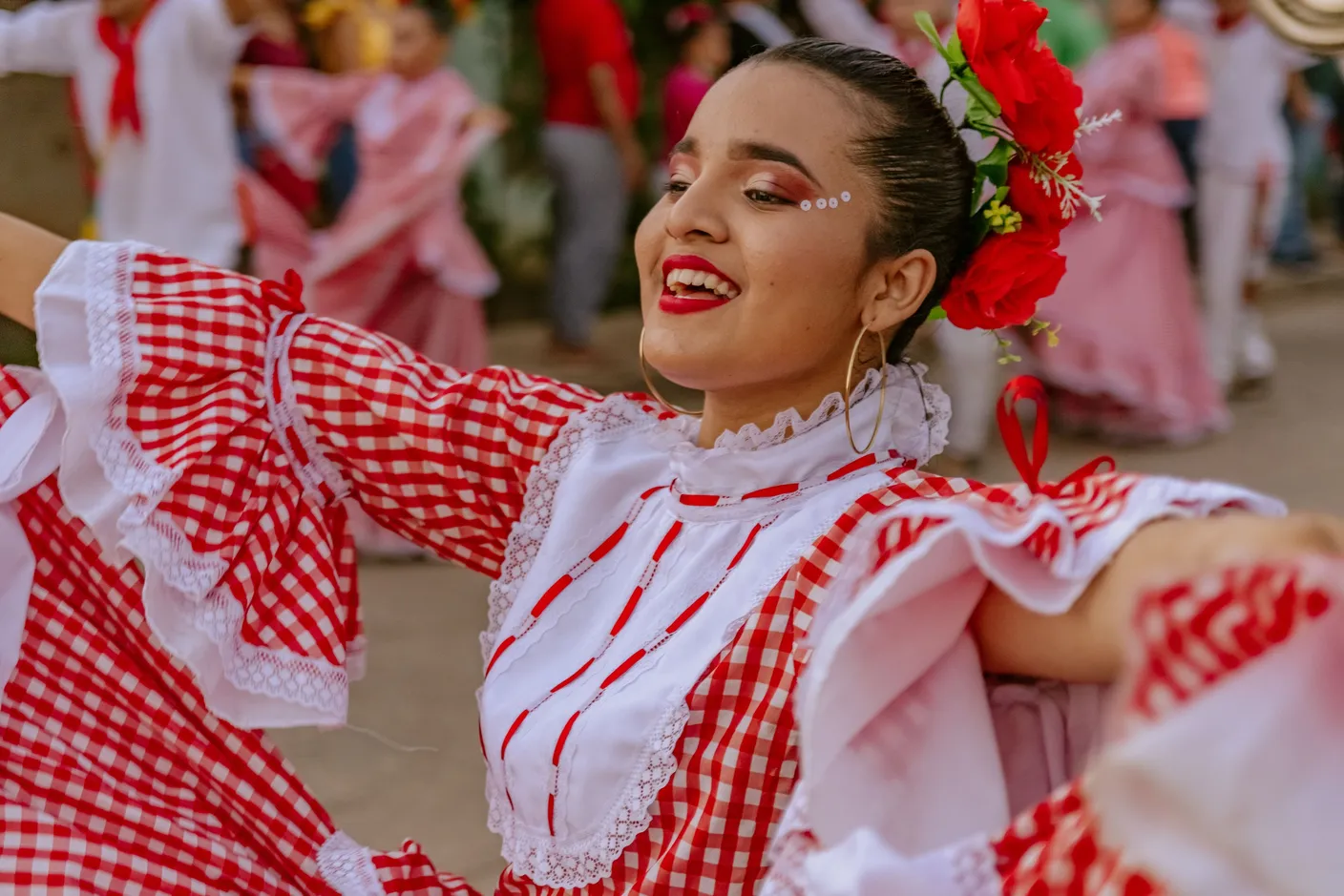
The Feria de Cali (December 25-30) transforms the city into one massive party, drawing visitors from across Colombia and beyond. Hotel rates rise sharply, the big salsa concerts sell out, and the whole city seems to dance at once. It’s spectacular but overwhelming for first-time visitors, crowds complicate transportation, restaurants overflow, and the non-stop party atmosphere can exhaust even dedicated dancers.
The Petronio Álvarez Festival, usually held in August, celebrates Pacific coast culture with a more manageable scale. This event offers incredible music and food without December’s chaos, making it ideal for travelers seeking authentic cultural experiences without fighting tourist hordes. The 2026 edition was suspended after the August 10 earthquake. As of October 1, 2026, the city is aiming for a smaller edition in November, with no date confirmed; our 2026 festival post has the latest.
Price Fluctuations
Accommodation costs fluctuate dramatically with Colombian school holidays and festivals. Beyond the December spike, prices rise during Semana Santa (Easter week), mid-year school break (late June-July), and October’s school recess week. Budget travelers save a good deal by avoiding these periods.
Flight prices follow similar patterns, though Cali’s status as a business hub keeps weekday flights expensive year-round. Weekend leisure fares often cost less, and booking domestic flights a few weeks ahead usually helps outside the peak seasons.
Getting to Cali City, Colombia
International Flight Options
Direct International Routes
Alfonso Bonilla Aragón International Airport has far fewer direct international flights than Bogotá or Cartagena, mainly from the United States, Panama, and Spain. Routes change often, so check current options when you book.
Most international travelers connect through Bogotá, which adds a few hours but opens up many more flight options; the flight from Bogotá to Cali takes about an hour.
Connection Points
Panama City is a convenient hub, with Copa connecting Cali to North America, Central America, and other South American capitals.
Other South American hubs offer alternatives for travelers combining several countries, though schedules vary.
Domestic Connections
Major Colombian Cities
Bogotá to Cali is one of Colombia’s busiest domestic routes, served by Avianca, LATAM, and low-cost carriers, with frequent flights through the day. Medellín is also well connected, about an hour away by air. Fares vary widely with how far ahead you book.
Cartagena and Santa Marta flights usually require Bogotá connections, though low-cost carriers like Wingo occasionally offer direct service during high season. The Caribbean coast feels surprisingly distant from Cali despite Colombia’s modest size, count on half-day journeys when including connections and airport transfers.
Budget Airlines
Low-cost carriers like Wingo slash costs for flexible travelers, though restrictions multiply quickly. They charge extra for most things beyond a small personal item, such as checked bags, carry-ons, and seat selection.
Read the fare rules carefully and arrive early. Travelers who understand the system can fly for remarkably little, freeing budget for experiences rather than transportation.
Airport Transfers and Transportation
For a complete, mode-by-mode walkthrough with current fares (the MÍO, taxis, apps, and airport transfers), see our dedicated guide on how to get around Cali.
Alfonso Bonilla Aragón Airport
Located in Palmira, 20 kilometers northeast of Cali, the airport sits awkwardly distant from the city center. ATMs, currency exchange, and SIM card vendors are available in the terminal, though exchange rates are better in the city.
The airport’s distance from Cali creates the first challenge for arriving travelers. There’s no rail link, but the Expreso Palmira airport bus runs to Cali’s main bus terminal, the cheapest option. Otherwise, taxis, ride-hailing apps, and private transfers are the main choices.
A word on the travel advisories. The airport is in Palmira, just outside Cali’s city limits. The UK and Canadian governments treat the city of Palmira the same way they treat Cali, and leave it out of their warnings for the rest of the region. The US State Department draws a wider line: its “do not travel” warning covers Valle del Cauca except Cali, so on a strict reading it takes in the airport too, though it does not mention the airport by name. For arriving and departing, the practical advice is the same as in Cali: take the airport bus, an official taxi, or an app ride booked from the terminal, and head straight into the city. Our Is Colombia Safe? page compares the advisories in full (all checked October 1, 2026).
Transfer Options to City
Taxis between the airport and Cali charge a fixed airport rate set by Palmira’s transport authority, plus the metered fare within Cali, so ask for the total at the official taxi stand before you set off. Uber, DiDi, and inDrive also operate, in a legal gray area, but pickups need coordinating since drivers can’t wait at the official pickup points.
Many hotels offer private transfers, which cost more but take the stress out of a late or long arrival.
Top Attractions and Activities in Cali
For a ranked shortlist with locations and practical tips, see our top 12 things to do in Cali.
Salsa Culture and Dancing
Dance Schools
Cali’s salsa schools range from professional academies training future performers to casual drop-in classes for curious tourists. Many schools, including the famous Swing Latino, offer classes for complete beginners, and some teach in English.
Some schools also offer intensive multi-day packages with daily classes and guided nights out, which can turn complete beginners into confident dancers surprisingly quickly.
Salsa Venues
Zaperoco, in the north of the city near Granada, is a classic salsa bar where locals dance to salsa vieja (classic salsa) on a cramped floor. Tin Tin Deo, on Calle 5 in San Fernando, draws a mixed crowd of locals and visitors, and San Antonio has a cluster of small, informal bars.
La Topa Tolondra, on Calle 5 near San Antonio, is one of the city’s best-known salsa bars, popular with locals and visitors alike, and a good place to watch accomplished dancers before you try it yourself.
Juanchito District
Juanchito, across the Cauca River east of the city, in the neighboring municipality of Candelaria, was long the heart of Cali’s salsa nightlife, and clubs such as Changó still draw big crowds. Because it is outside Cali, it falls within the US State Department’s Level 4 area for Valle del Cauca. If you go, travel there and back by a taxi or app ride booked in advance, never walk between venues, and leave while the crowds are still there rather than at closing.
Many Caleños now go out in Granada and the north instead, which are easier to reach and lower-risk. But Juanchito retains mythical status among salsa purists who insist nothing matches dancing where Cali’s salsa legends once performed.
Cali’s Historic Sites and Architecture
San Antonio Neighborhood
Perched on a hill overlooking downtown, San Antonio preserves Cali’s colonial character better than any other neighborhood. The small 18th-century chapel anchoring the park seems modest, but the surrounding streets tell richer stories, restored mansions now housing restaurants and galleries, tiny theaters presenting experimental plays, and craft shops selling everything from handmade jewelry to artisanal coffee.
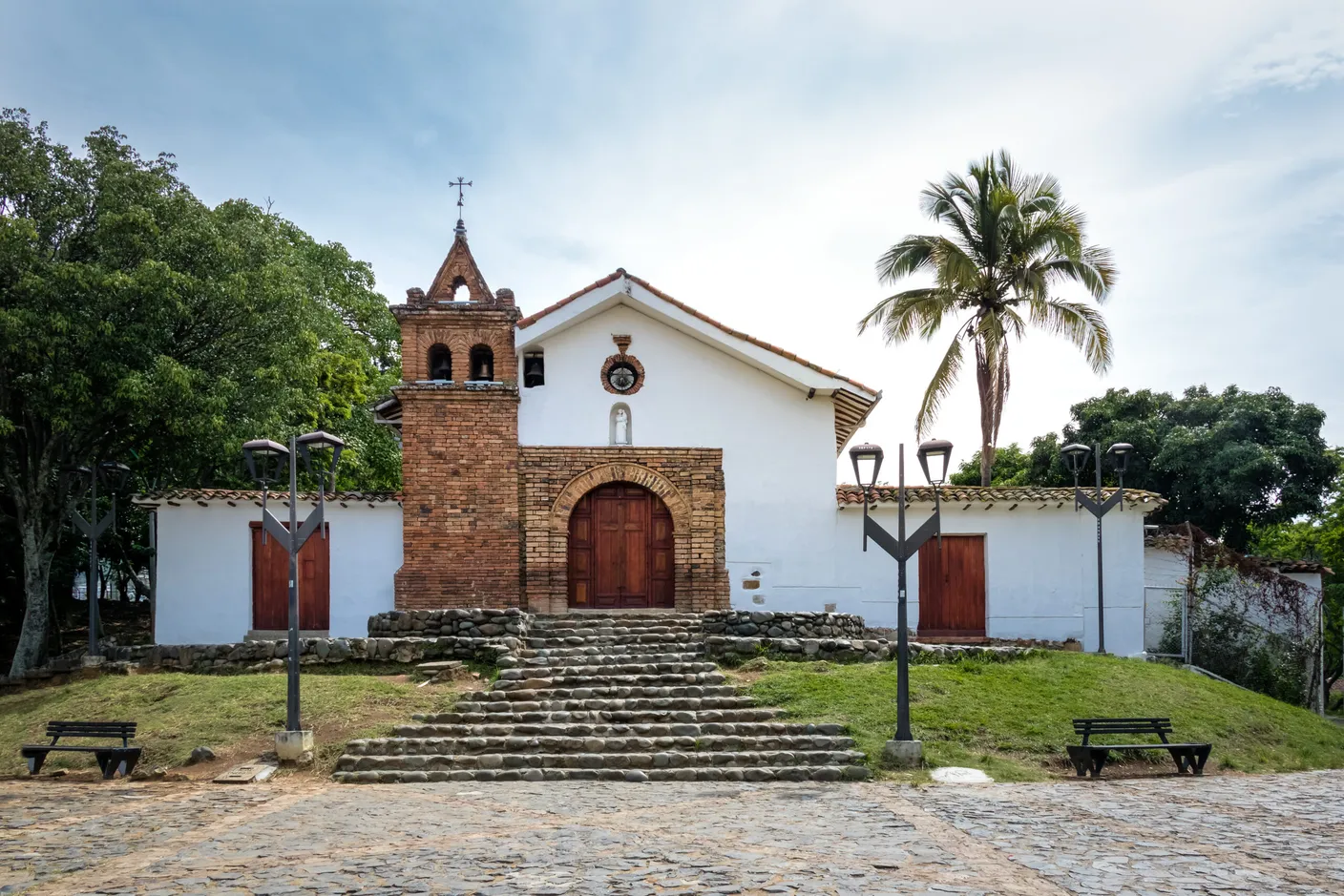 San Antonio Chapel - Cali, Colombia
The neighborhood transforms dramatically between day and night. Mornings bring elderly residents to park benches and dogs to the grass. Afternoons see art students from nearby universities sketching colonial facades. But evenings belong to the young and bohemian, bars fill, restaurants overflow onto sidewalks, and impromptu salsa dancing erupts wherever someone brings speakers.
La Merced Complex
This religious complex dates to 1545, making it Cali’s oldest surviving structure. The adjoining monastery now houses the Museo de Arte Religioso, displaying colonial paintings and sculptures that survived earthquakes and renovations. The baroque altar impresses despite restoration that stripped some original details.
The archaeological museum next door provides context often missing from Colombian historical sites. Pre-Columbian ceramics from the Calima culture remind visitors that sophisticated societies existed here long before Spanish arrival. Check current opening hours and prices before you go.
Cristo Rey Monument
This 26-meter Christ statue atop Cerro los Cristales offers panoramic city views that justify the challenging ascent. The climb takes 30-45 minutes up steep stairs, bring water and start early before heat becomes oppressive. Locals exercise here in the early morning and evening, and those busy hours are the lower-risk time to visit. Outside them the path is quiet, so avoid climbing alone at midday or after dark.
The statue itself, completed in 1953, won’t win architectural prizes. But the 360-degree views encompass everything from sugar cane fields to distant Pacific mountains, providing geographical context no map can match. Sunset visits prove particularly rewarding, though descending in darkness isn’t recommended, plan to leave while daylight remains.
Museums and Cultural Experiences
La Tertulia Museum
Cali’s premier modern art museum punches above its weight, with a permanent collection featuring Colombian masters like Omar Rayo and Edgar Negret alongside rotating contemporary exhibitions. The elegant modernist building from 1968 deserves attention itself, clean lines and clever natural lighting create ideal viewing conditions.
The cinemateca screens arthouse films nightly, often with English subtitles during international film festivals. The museum’s terrace café overlooks the Cali River, providing a peaceful escape from city chaos. Admission is modest, with student discounts; check current hours and prices before you go.
Calima Gold Museum
This small but spectacular Banco de la República museum, downtown at Calle 7 #4-69, showcases gold artifacts from the Calima culture of the region before the Spanish conquest. Entry is free. Unlike Bogotá’s famous Gold Museum, crowds rarely overwhelm here, allowing intimate examination of intricate metalwork. The bilingual displays explain metallurgical techniques and symbolic meanings often glossed over in larger museums.
The collection’s star pieces include elaborate funeral masks and ceremonial objects demonstrating sophistication that surprises visitors expecting “primitive” pre-Columbian societies. Weekday visits are the quietest.
Cane Sugar Museum
Located in the restored Hacienda Piedechinche near El Cerrito, about an hour from Cali, this museum explores sugar’s central role in regional history. Like the rest of Valle del Cauca outside Cali, the El Cerrito area falls within the US State Department’s Level 4 “Do not travel” area and Canada’s “avoid non-essential travel” area (both checked October 1, 2026), so check current advice and conditions before you go. The preserved sugar mill machinery impresses through sheer scale, while exhibits on slavery and labor conditions don’t shy from uncomfortable truths. The hacienda’s gardens provide lovely picnic spots.
Getting here requires commitment, no public transport serves the site directly. Tours from Cali include transport and a guide. Renting a car provides flexibility to combine this with other valley attractions, though navigation proves challenging without GPS.
Practical Travel Tips
Deciding on a base first? Our guide on where to stay in Cali compares the six best neighborhoods with typical rates.
Budget and Costs
Daily Expenses
Cali is one of Colombia’s better-value cities. A ride on the MIO bus system costs COP 3,500 (about USD 1.10) in 2026, and the 2026 minimum taxi fare is COP 7,100 (about USD 2). For daily budgets, see our guide to the cost of traveling in Colombia.
Currency and Banking
Use ATMs inside banks or shopping centers, in daylight, and check what your bank charges for foreign withdrawals; many businesses only accept cash.
Credit cards work in upscale establishments but remain uncommon in local restaurants, small shops, and taxis. Exchange houses accept dollars and euros but usually want crisp, undamaged notes.
Cali Safety Considerations
Lower-Risk Neighborhoods
Granada, El Peñón, and San Antonio are the neighborhoods best set up for visitors, with visible police presence and locals accustomed to foreign guests. That is not the same as a guarantee, and the FCDO lists Cali among the cities where pickpocketing, mugging, and armed robbery are a problem. See our comparison of the four government advisories for the current wording. These areas support walking during daylight, though taxi transport remains advisable after 9 PM. Southern zones like Ciudad Jardín are among the city’s lower-risk areas but offer little tourist interest beyond shopping malls.
Downtown requires heightened awareness, petty theft occurs regularly around bus terminals and markets. Eastern hillside comunas should be avoided entirely without local guides. The city center empties after dark, creating isolation that criminals exploit.
Even Caleños avoid certain areas, and visitors should respect these boundaries.
Emergency Contacts
Dial 123 for all emergencies, free from any phone in Colombia, with no +57 prefix; operators may not speak English. Our list of emergency numbers in Colombia has the rest. Tourist police patrol the main visitor areas.
Fundación Valle del Lili, in the south, is one of the country’s leading hospitals, but private care is expensive and foreign patients are usually asked to pay up front, so travel insurance covering medical care is essential.
Local Customs and Etiquette
Caleño Culture
Caleños pride themselves on warmth and openness that contrasts with reputedly colder Bogotanos. They’ll forgive most cultural mistakes except one: comparing their city unfavorably to Medellín. This rivalry runs deep, and even innocent observations about Medellín’s metro system can offend.
Physical contact comes naturally here, handshakes for men, cheek kisses for women, enthusiastic hugs among friends. Standing distant during conversations seems cold or suspicious. Personal space shrinks on dance floors where salsa’s sensuality requires close contact that might seem forward elsewhere but remains purely artistic here.
Dining Customs
Lunch reigns as the day’s main meal, typically eaten between noon and 2 PM. Many restaurants offer a set lunch (menú del día or ejecutivo) of soup, a main course, and a juice at a modest price, usually only until mid-afternoon.
Restaurants usually add a suggested 10% service charge (propina voluntaria) to the bill, which you can decline; taxi drivers do not expect tips. Splitting checks confuses many restaurants, so groups should designate one payer who collects from others. Vegetarianism slowly gains acceptance, though veganism remains largely incomprehensible outside upscale Granada restaurants.
Day Trips from Cali
San Cipriano
Check the travel advice before you plan this trip. San Cipriano is in the municipality of Buenaventura, in western Valle del Cauca. The UK FCDO advises against all but essential travel to the western part of Valle del Cauca, including Buenaventura; the US State Department’s Level 4 “Do not travel” area covers Valle del Cauca outside Cali; and Canada advises against non-essential travel to Valle del Cauca outside the cities of Cali, Palmira, and Buga (all checked October 1, 2026). Our comparison of the government advisories has the full wording. If you go, go with a trusted local operator, by day, and check current conditions first.
Railway Adventure
The journey to San Cipriano provides as much adventure as the destination. Visitors ride “brujitas”, motorcycle-powered rail carts that run along active train tracks through dense jungle. These contraptions look terrifying but rarely crash, though the lack of seatbelts or safety equipment would horrify Western regulators.
Drivers lift the carts clear of the rails when a train approaches. The experience feels genuinely dangerous because it is, and travelers must decide their own risk tolerance.
Natural Pools
San Cipriano village sits where crystal-clear rivers create natural swimming pools surrounded by rainforest. The water stays refreshingly cool year-round, providing relief from coastal humidity. Rope swings and natural waterslides entertain adventurous swimmers, while calmer pools accommodate relaxed floating.
Weekends bring Colombian families in droves, transforming the peaceful refuge into a party zone with loud music and flowing aguardiente. Weekday visits offer tranquility but fewer food options, the few restaurants may not open without weekend crowds. Basic accommodation exists for those wanting overnight stays, though most visitors make long day trips from Cali.
Lago Calima
Water Sports
This reservoir, around two hours from Cali, is known for steady winds that make it one of Colombia’s best spots for kitesurfing and windsurfing. Like the rest of Valle del Cauca outside Cali, it falls within the US State Department’s Level 4 “Do not travel” area and Canada’s “avoid non-essential travel” area (both checked October 1, 2026), so check current advice and conditions before you go. Several schools offer lessons and equipment rental, though complete beginners need multiple days to progress beyond fighting the wind.
The water is cooler than you might expect at this altitude, so many riders wear wetsuits. Motorboats and jet skis share the water on weekends, creating choppy conditions that challenge beginners but thrill experienced riders.
Weekend Retreats
Lakeside hotels and cabañas provide weekend escapes for wealthy Caleños fleeing urban heat. Prices spike Friday through Sunday but drop dramatically midweek when foreign tourists can enjoy near-empty facilities. The town of Darién offers budget accommodation and restaurants serving fresh trout from the lake.
Mountain biking trails circle the reservoir, ranging from leisurely lakeside paths to challenging climbs into surrounding hills. If you rent a bike, check the brakes carefully before you ride.
Hacienda El Paraíso
Literary History
This restored 19th-century hacienda near El Cerrito, about an hour northeast of Cali, inspired Jorge Isaacs’ romantic novel “María,” required reading for Colombian students and Latin America’s equivalent of “Romeo and Juliet.” The house museum preserves period furnishings and first editions, though understanding the significance requires familiarity with the novel. Like the rest of Valle del Cauca outside Cali, the hacienda falls within the US State Department’s Level 4 “Do not travel” area and Canada’s “avoid non-essential travel” area (both checked October 1, 2026), so check current advice and conditions before you go.
Guided tours in Spanish explore the tragic love story and hacienda life during Colombia’s slave-holding era. English information remains limited, so non-Spanish speakers might find the experience frustrating despite the building’s beauty.
Sugar Cane Heritage
The surrounding plantation demonstrates traditional sugar processing methods, from crushing cane with horse-powered mills to boiling juice into panela (unrefined sugar). Workers demonstrate each step, offering samples of fresh cane juice and warm panela that tastes like liquid caramel.
The experience provides context for understanding the valley’s agricultural wealth and its troubling origins in forced labor. The hacienda doesn’t whitewash this history, acknowledging slavery’s role while celebrating Afro-Colombian contributions to regional culture. Combined tickets with the Cane Sugar Museum offer modest savings for those interested in comprehensive sugar heritage tours.
Beyond Cali
Pacific Coast
Check the travel advice before you plan a trip to the coast. Buenaventura, Juanchaco, and Ladrilleros are all in the municipality of Buenaventura. The UK FCDO advises against all but essential travel to the western part of Valle del Cauca, including Buenaventura; the US State Department’s Level 4 “Do not travel” area covers Valle del Cauca outside Cali; and Canada advises against non-essential travel to Valle del Cauca outside the cities of Cali, Palmira, and Buga (all checked October 1, 2026). Our comparison of the government advisories has the full wording. Many visitors reach Juanchaco and Ladrilleros by flying to Buenaventura or on organized trips rather than by road; ask a trusted local operator about current conditions.
Buenaventura
Colombia’s busiest port city is the historic gateway to the Pacific coast from Cali, and the point most overland routes to the beaches pass through. It is a working port with deep social and economic problems, and it carries the advisory status described above.
Juanchaco and Ladrilleros
These twin beach towns are the Pacific coast settlements closest to Cali, known for wild beaches, fresh seafood, and seasonal whale watching between July and October. They are reached by boat from Buenaventura.
Accommodation remains basic, expect cold showers, intermittent electricity, and aggressive sandflies. But travelers seeking undeveloped tropical beaches find paradise here. The Pacific’s powerful waves and currents demand respect, swim only where locals indicate safety.
Coffee Region
Buga Basilica
The Basilica del Señor de los Milagros attracts millions of pilgrims annually to see a miraculous crucifix that supposedly sweats blood. Religious significance aside, the neo-Gothic architecture impresses, and the surrounding colonial town provides pleasant wandering. About an hour and a half north of Cali, Buga makes an easy day trip or stopover between Cali and the Coffee Region. Canada excludes the city of Buga from its warning for the rest of Valle del Cauca, but the US State Department’s Level 4 area for Valle del Cauca outside Cali includes it.
The basilica museum displays thousands of offerings from grateful pilgrims, everything from university diplomas to motorcycle helmets representing answered prayers. Even non-believers find the devotion moving, particularly during Sunday masses when thousands pack the basilica.
Armenia Connection
Three hours from Cali, Armenia anchors Colombia’s coffee region, providing access to tourist farms, theme parks, and colonial towns like Salento. Direct buses run from Cali’s bus terminal, and the winding mountain road can trigger motion sickness.
Many visitors use Cali’s airport for coffee region access, finding better flight connections than Armenia’s small airport. This works well when combining salsa and coffee experiences in one trip, though the cultural shift from urban Cali to rural coffee farms can feel jarring.
Valley Towns
Palmira
Best known for hosting the airport, Palmira is a working agricultural town about 30 minutes from Cali, close enough to feel like a suburb, though locals maintain fierce independence. With a few hours between flights, the central plaza shows provincial Colombian life without tourist influence: elderly men playing chess, families eating ice cream, teenagers by the fountain. The cathedral impresses through size if not architectural distinction. Hotels near the airport offer convenient early-morning-flight accommodation at about half Cali prices.
Keep to the town center and the airport area. Palmira’s rural mountain districts to the east, around Tenjo, Potrerillo, and Tenerife, have seen armed-group activity in recent years and are not places to explore on a stopover. In town, the usual city precautions apply: visit the plaza in daylight, keep your phone and valuables out of sight, and use a taxi or app ride rather than hailing one on the street. The UK and Canadian advisories treat the city of Palmira like Cali; the airport section above explains the US position.
Tulua
This agricultural town, about 100 kilometers north, is a transport hub on the road to the Coffee Region. It falls within both the US State Department’s Level 4 area and Canada’s “avoid non-essential travel” area for Valle del Cauca, and it has seen serious criminal violence in recent years, so treat it as a place to pass through rather than to explore. The Saturday market explodes with tropical fruits, many unknown outside Colombia, borojó, chontaduro, mangostino. Vendors enthusiastically offer samples to curious foreigners.
Its Saturday market is full of tropical fruits, such as borojó, chontaduro, and mangosteen, that are rarely seen outside Colombia.
Practical Connections
Regional Transport
Cali’s Terminal de Transportes handles buses throughout southwestern Colombia, though the massive complex overwhelms first-time visitors. Different companies serve identical routes at varying prices and comfort levels, Expreso Bolivariano and Copetran offer reliable service with reasonable prices.
Never buy tickets from touts approaching travelers, they overcharge dramatically or sell fake tickets. Purchase directly from company windows, comparing schedules and prices. Most inter-city buses lack toilets, so use terminal facilities before boarding.
Multi-City Itineraries
Cali works best combined with other destinations rather than as a standalone trip. A classic circuit connects Cali with coffee region (3-4 days), Medellín (3-4 days), and Caribbean coast (4-5 days). This provides diverse experiences, salsa, coffee, innovation, and beaches, in 2-3 weeks.
If you are continuing to Ecuador, check the travel advice carefully before choosing the overland route south through Cauca and Nariño to the border at Ipiales: the US State Department rates Cauca outside Popayán at Level 4, and Canada advises against non-essential travel to the city of Ipiales and its border crossing and to Nariño outside Pasto (both checked October 1, 2026). Flying from Cali to Ecuador avoids the road entirely.
Final Thoughts
Cali rewards travelers who embrace its rhythms rather than fighting them. The afternoon heat that sends visitors seeking air-conditioned refuges? That’s when Caleños rest before evening salsa marathons. The seemingly chaotic traffic? It follows unwritten rules that become predictable with observation. The aggressive street vendors? They’re trying to survive in a tough economy and usually accept polite refusals.
This city won’t coddle visitors like Cartagena or charm them like colonial Villa de Leyva. Infrastructure frustrates, poverty confronts, and the learning curve for salsa dancing humbles even coordinated travelers. Yet Cali offers something increasingly rare in globalized Latin America, authentic urban culture largely unchanged by mass tourism.
Those who invest time here discover rewards beyond tourist checkboxes. Maybe it’s finally nailing that complex salsa turn after countless failed attempts. Perhaps it’s sharing aguardiente with locals who’ve adopted you for the evening. Or it’s watching sunrise from Cristo Rey after dancing until dawn, understanding why Caleños claim their city never sleeps.
Cali doesn’t need to be love at first sight. But give it three days minimum, one to adjust, one to explore, one to dance, and Colombia’s salsa capital might surprise you. Just remember to pace yourself with the dancing. And the aguardiente. Your body will thank you when it’s time to catch that flight from Alfonso Bonilla Aragón back to reality.
Sources
- US Department of State: Colombia Travel Advisory (issued March 31, 2026; checked October 1, 2026)
- Government of Canada: Travel advice for Colombia (updated September 29, 2026; checked October 1, 2026)
- UK FCDO: Colombia warnings and insurance (checked October 1, 2026)
- El Tiempo: Palmira authorities respond to armed groups in the rural area (February 2025)
- El País: the Petronio Álvarez will return to Cali in November in a smaller format (September 1, 2026)
- Museo del Oro Calima: Banco de la República (free entry; checked October 1, 2026)
- DANE: population projections (2026 projection for Cali)
- Alcaldía de Cali: MIO fare for 2026
- El País: Cali taxi fares for 2026 (checked October 1, 2026)
- Festival de Música del Pacífico Petronio Álvarez - official site
- Cali - Colombia Tourism Official Site