
Updated
On this page
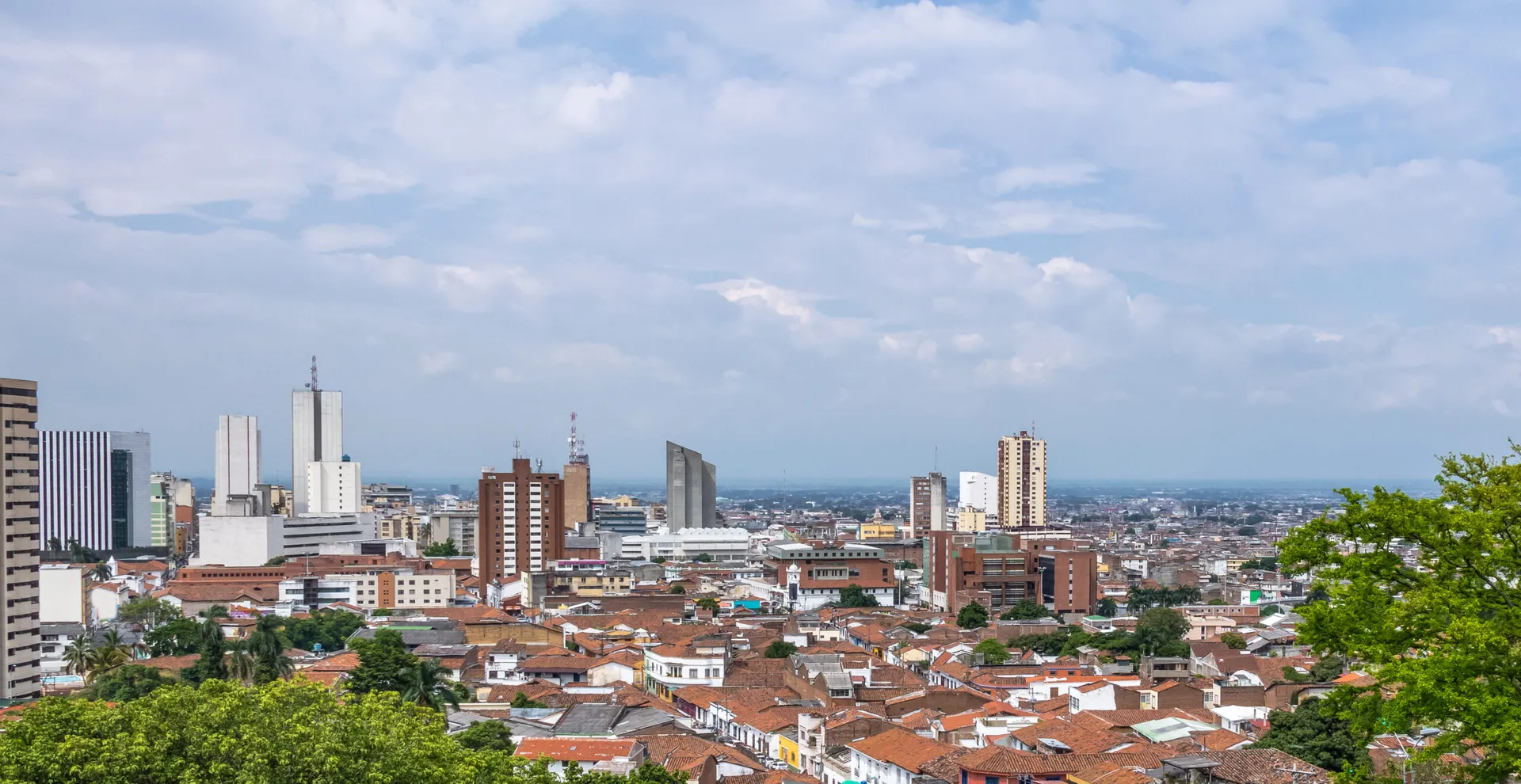
Choosing where to stay in Cali matters more than in many Colombian cities. This is a sprawling valley metropolis where character, comfort, and practicality shift sharply from one neighborhood to the next, and the right base puts you within easy reach of salsa, good food, and the city’s viewpoints while keeping your days simple. Get it wrong and you will spend both time and money crossing town in the heat.
The good news is that a handful of neighborhoods do almost all the work for visitors, and because Cali sees far fewer tourists than Cartagena or Medellín, your money stretches noticeably further here. Below we compare the six areas worth considering, what each is like, who it suits, how you will get around from it, and the practical safety points to weigh, so you can pick a home base with confidence.
Quick Selection Guide
Cali’s neighborhoods trade off atmosphere, price, and convenience in different ways. Use this table to narrow your choice, then read the section that fits before booking. Prices change by season and by property, so the table gives relative price levels rather than rates: $ is budget, $$$$ is the top end. Rates climb sharply during the Feria de Cali in late December; check current prices when you book, and see our guide to what a trip to Colombia costs for typical budgets.
| Area | Price level | Best For |
|---|---|---|
| San Antonio | $ to $$ | Atmosphere, salsa, walkable charm |
| Granada | $$ to $$$ | Food lovers, comfort, dining variety |
| El Peñón | $$ to $$$ | Boutique stays, nightlife, central location |
| Versalles | $ to $$ | Quieter mid-range base near Granada |
| Ciudad Jardín / El Ingenio (South) | $$ to $$$ | Malls, modern hotels, families, business |
| Centro | $ | Budget and daytime sightseeing (see below) |
San Antonio
San Antonio is the neighborhood most first-time visitors fall for, and with reason. Perched on a hill just west of downtown, it keeps more of Cali’s colonial character than anywhere else in the city: cobblestone lanes, colorful low houses, and an 18th-century chapel crowning a grassy park with sunset views over the center. Restored mansions now hold cafés, galleries, small theaters, and some of the city’s most atmospheric salsa bars, so the neighborhood shifts from sleepy mornings to bohemian evenings without ever feeling like a tourist bubble.
Who It Suits
This is the pick for travelers who want walkable charm, character over polish, and salsa within stumbling distance of their bed. Accommodation skews toward boutique guesthouses, small hotels in converted homes, and a good crop of hostels, so it works for both mid-range couples and budget-minded solo travelers. If your Cali is mostly about dancing, dining out, and soaking up the neighborhood, sleep here.
Getting Around
San Antonio is genuinely walkable within its own bounds, and it sits close enough to the historic center and the riverside boulevard to reach both on foot in the cooler hours. For everywhere else, a taxi or app ride reaches Granada, El Peñón, and downtown in around 10 to 15 minutes. The hill itself is steep and the cobbles uneven, which is worth knowing if you have heavy luggage or limited mobility.
Safety Considerations
The neighborhood is used to visitors and lively into the evening, but the hill has quiet, poorly lit edges. Keep your phone out of sight as you walk up, stick to the busier streets after dark, and take a booked app ride rather than walking down the hill late at night. The bottom of the hill blends into the center, which empties and warrants more caution once shops close.
Granada
If San Antonio is Cali’s heart, Granada is its dining room. This leafy, upscale grid just north of the center and west of the river is the city’s restaurant heartland, packed with everything from traditional Valle del Cauca cooking to Peruvian, Italian, and the vegetarian and international options that are scarce elsewhere in Cali. It is calmer and more polished than San Antonio, with tree-lined streets, specialty coffee, and a comfortable, well-kept feel that many visitors prefer as a base.
Who It Suits
Granada is ideal for food-focused travelers, couples, and anyone who values comfort and dining variety over colonial aesthetics. Hotels here run from smart mid-range properties to a few genuinely upscale options, and you can walk out your door to a strong choice of restaurants and bars every night without planning a thing. It is also a sensible pick for a first visit to Colombia, where an easy, familiar-feeling neighborhood takes the edge off.
Getting Around
Granada sits beside the Río Cali and the riverside boulevard, so the Gato del Río sculptures, La Tertulia museum, and a flat morning walk are all close. Taxis and apps reach San Antonio and downtown in 10 to 15 minutes, and MÍO corridors along the main avenues connect you across the city for pocket change. See our guide on how to get around Cali for routes and fares.
Safety Considerations
Granada is one of the more comfortable areas to walk in the evening, with restaurants keeping the streets busy, but the usual city habits still apply: keep valuables out of sight, favor the lively blocks after dark, and use an app ride for the last stretch home late at night rather than a long walk between neighborhoods.
El Peñón
Just south of Granada and a short walk from San Antonio, El Peñón is a compact, central neighborhood that packs boutique hotels, restaurants, bars, and terraces into a small, walkable area near the river. It shares Granada’s upscale, comfortable feel but sits closer to the historic center and the San Antonio hill, which makes it one of the most convenient bases in the city for reaching everything on foot or with a very short ride. The nearby Parque del Perro area adds a cluster of lively bars and eateries within easy reach.
Who It Suits
El Peñón suits travelers who want a central, slightly boutique base with dining and nightlife close at hand, and who like the idea of walking to San Antonio, the museums, and the riverside without committing to the hill’s cobbles for their luggage. It is a strong middle ground between Granada’s polish and San Antonio’s character.
Getting Around
Position is El Peñón’s biggest asset. The riverside boulevard, La Tertulia, and San Antonio are all short walks, and taxis or apps reach the rest of the city quickly. Main-avenue MÍO routes are close for longer crossings toward the south or the bus terminal.
Safety Considerations
As a central, busy neighborhood, El Peñón is comfortable in the evening around its restaurant and bar clusters, but it borders quieter stretches near the river and the center that thin out after dark. Keep to the animated blocks at night, keep your phone pocketed on the street, and book a ride for late returns.
Versalles
Just north of Granada, Versalles is a quieter, largely residential neighborhood that offers many of Granada’s advantages, proximity to the river, dining, and the northern dining-and-nightlife districts, at generally gentler prices. It is leafier and more low-key, with a mix of family homes, mid-range hotels, and a growing number of restaurants, making it a comfortable, slightly more local-feeling alternative for travelers who do not need to be in the thick of things.
Who It Suits
Versalles works well for mid-range travelers and longer stays who want a calm, residential base within easy reach of Granada’s restaurants and the riverside, without paying top Granada rates. It suits people who plan to use taxis and apps freely and who value a quieter night’s sleep over having nightlife on the doorstep.
Getting Around
Versalles borders Granada and the river, so the same central sights are a short walk or ride away, and the northern nightlife zones are close. Main avenues nearby carry MÍO routes for longer crossings, and taxis or apps handle short hops around the north and center efficiently.
Safety Considerations
Being residential, Versalles is calm but also quieter on the street at night than busier Granada or El Peñón, so there is less foot traffic after dark. Stick to well-lit main streets in the evening, keep valuables discreet, and use a booked ride rather than walking alone late at night.
Ciudad Jardín and El Ingenio (South)
Southern Cali is a different world: modern, orderly, and built around shopping malls, gated communities, and business hotels. Ciudad Jardín, El Ingenio, and the surrounding southern districts hold the city’s newest and most comfortable large hotels, along with cinemas, supermarkets, and reliable services. What the south lacks is character and walkable street life, this is not a neighborhood for wandering, and most tourist sights lie a fair ride to the north.
Who It Suits
The south is best for families who want space and modern amenities, business travelers, and anyone prioritizing comfort, predictability, and mall convenience over atmosphere. It is also worth considering if you have an early departure, since it shortens the run toward the airport road, or if you are visiting Caleño friends or family who live in this part of the city.
Getting Around
Distance is the trade-off. Reaching San Antonio, Granada, or the center means a taxi or app ride of 20 to 30 minutes or more depending on traffic, so budget both time and fares if you plan to sightsee daily. MÍO corridors serve the southern commercial zones and connect north, but for door-to-door convenience most visitors here lean on apps.
Safety Considerations
The south is among the more comfortable parts of the city, with quiet residential streets and mall security, but its car-oriented layout means few pedestrians and long blocks, so it is not a walk-everywhere base. Use apps or taxis for evening outings and returns, as you would anywhere in the city after dark.
Centro: Daytime Sightseeing, Not a Base
Downtown Cali holds some of the city’s best sights, La Ermita church, Plaza de Caycedo, the historic La Merced complex, museums, and the riverside boulevard, and it has the cheapest accommodation in the city. But it works far better as a place to explore by day than as a place to sleep. The center is busy and functional during business hours and then empties after dark, and petty theft is a known issue around the bus terminal and crowded markets.
Who It Suits
Only budget travelers and history-focused visitors who are comfortable taxiing in and out rather than walking alone at night should consider basing here, and even then, many will be happier spending a little more to sleep in San Antonio or El Peñón and visiting the center by day. If you do stay, choose a well-reviewed property on a busier street and treat the neighborhood as a daytime one.
Getting Around
The center is the city’s transit hub, well served by MÍO along the main corridors and close to the bus terminal, which is handy for onward travel. It is walkable and rewarding by day, connecting easily on foot to the river and up toward the San Antonio hill.
Safety Considerations
Explore the center by day, and read our Colombia safety guidelines before you do. Carry minimal cash, keep your phone away near the plazas and markets, and do not walk downtown or near the bus terminal alone after dark. Take a taxi or app ride in and out at night rather than walking, and keep a daypack with your valuables on you around the terminal.
Booking Tips
A little planning goes a long way in Cali, where rates and availability swing hard around festivals and school holidays.
- Book well ahead for the Feria de Cali. The city’s biggest celebration fills the calendar in late December (the exact dates shift year to year, so confirm before committing). Hotels raise rates steeply and the best-placed properties in San Antonio, Granada, and El Peñón sell out weeks in advance. Reserve early or plan your visit for another time.
- Watch the other peaks too. Prices also climb during Semana Santa (Easter week), the mid-year school break in late June and July, and the October school recess. Traveling outside these windows can save you a meaningful share of the nightly rate.
- Match the neighborhood to your days. If most of your time will go to salsa and dining, staying central in San Antonio, Granada, or El Peñón saves you both fares and heat. If you want space, malls, and modern comfort, the south delivers, just budget for daily rides north.
- Confirm what “central” means for you. A cheaper room a long ride from the action can cost more in taxis and time than a pricier one you can walk from. Weigh location against rate before booking.
- Pay attention to the practical details. Air conditioning or a good fan matters in Cali’s heat, and a property on a busier, well-lit street is worth prioritizing for easy, comfortable evenings.
Final Thoughts
For most first-time visitors, the choice comes down to three neighborhoods. Pick San Antonio if you want character, cobblestones, and salsa on the doorstep. Choose Granada if food and easy comfort matter most, or El Peñón if you want a central, slightly boutique base within walking distance of nearly everything. Versalles is the quieter, better-value alternative for longer or calmer stays, and the southern districts suit families and business travelers who value space and modern amenities over street life. Leave the center for daytime exploring rather than sleeping.
Wherever you land, Cali rewards a little local awareness: keep your phone pocketed on the street, ask your accommodation about the specific places you plan to go, favor booked app rides after dark, and plan your way home before a late night out. Do that from a well-chosen base, and the rest of the city, warm, musical, and refreshingly unhurried, opens up around you.
Sources
- Alcaldía de Cali: MIO fare for 2026
- UK FCDO: Colombia travel advice, safety and security (checked October 1, 2026)