
Updated
On this page
Updated October 1, 2026: the Coffee Region after the August earthquake.
A magnitude 7.4 earthquake struck western Colombia on August 10, 2026, and Risaralda, Quindío, and Caldas were among the departments damaged. By early September the region was receiving visitors again: Pereira’s Matecaña airport reopened to commercial flights on August 26, Panaca, Bioparque Ukumarí, and the Parque Nacional del Café reopened after structural checks, and Salento’s town hall said there were no restrictions on visiting. That is not the same as saying the recovery is over. Reconstruction will take years, and some hotels were still closed in late August. Confirm opening hours with each attraction before you go, and book accommodation before your flights. Our September recovery update sets out what has reopened, with sources.
The guide below was written before the earthquake.
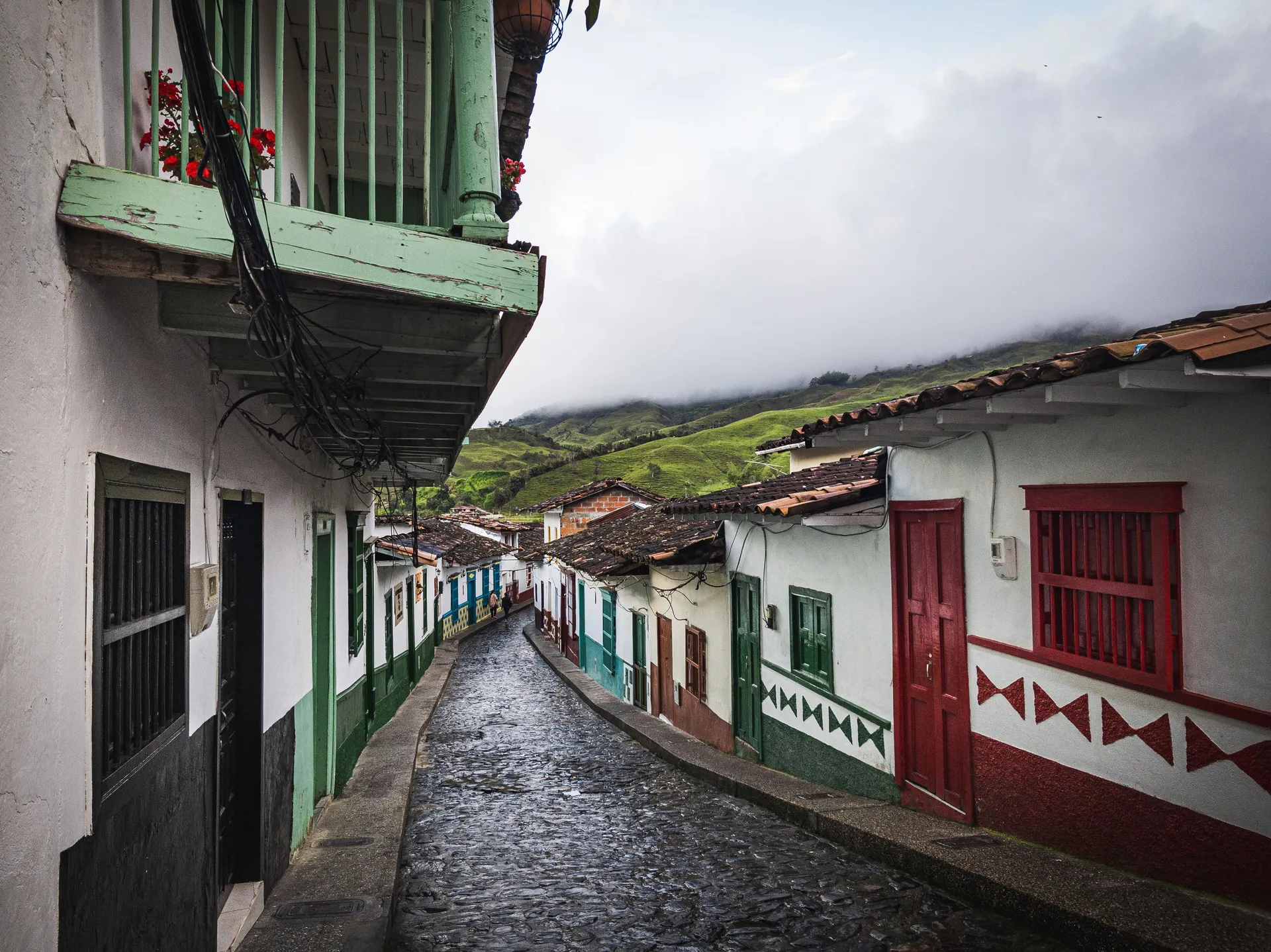
Colombia’s Coffee Region, the Eje Cafetero, packs an unusual amount into a small stretch of the central Andes. In a few days you can hike beneath the tallest palms on earth, learn how a coffee cherry becomes the cup in your hand, soak in natural hot springs, and wander colonial towns painted every color in the box. The activities below range from the region’s signature outings to quieter corners that reward travelers who linger.
This list works alongside our Coffee Region overview for planning and our guide to how to get around the Coffee Region for the jeeps, buses, and taxis that link everything together. Prices were checked at the time of writing; rural operators change rates often and many take cash only, so carry pesos and confirm before you go. Here are 15 experiences worth building a Coffee Region trip around.
1. Hike the Cocora Valley
The Cocora Valley is the region’s headline sight, a green bowl of cloud forest studded with wax palms, Colombia’s national tree and the tallest palm in the world at up to 60 meters. The classic loop runs roughly five to six hours through pasture, river crossings, and forest before climbing to the palm-covered ridges, though you can also just walk the flat lower section for the famous photographs. It is a real mountain hike, often muddy, so wear grippy shoes and start early.
Location: Valle de Cocora, about 25 minutes by Willys jeep from Salento’s main plaza
Don’t Miss: The final ridge, where the palms stand scattered across the hillsides like something out of a storybook
Tip: Jeeps leave the plaza from around 6:30 AM for roughly COP 12,000 round trip (about USD 4). The trail crosses private land, so carry cash for small entry fees of around COP 10,000 to 30,000 (about USD 3 to 9). Our Salento and Cocora Valley guide walks through the route in detail.
2. Tour a Working Coffee Farm Near Salento
A finca tour is the experience most people come here for, and it is worth doing even if you are not a coffee obsessive. You walk the hillside rows, try picking ripe cherries, watch the beans get depulped, dried, and roasted, and finish with a tasting of coffee made on the spot. Finca El Ocaso, a short jeep ride from Salento, is the best-known farm and runs tours in both English and Spanish.
Location: Finca El Ocaso, about 15 minutes by Willys jeep south of Salento; many smaller family farms sit around Salento and Filandia
Don’t Miss: Tasting the same beans you watched come off the trees, prepared the traditional way
Tip: El Ocaso’s traditional tour runs around COP 50,000 (about USD 16) for roughly 90 minutes, with English departures in the morning, so book ahead. The public jeep out costs about COP 3,000 (about USD 0.90). For the growing traditions behind the tour, read our coffee culture guide.
3. Watch the Sunset From Filandia’s Mirador
Filandia is Salento’s quieter sibling, with the same brightly painted balconies and far fewer tour buses. Its highlight is the Mirador Colina Iluminada, a tower on a hill just above town with a 360-degree panorama across Quindío and Risaralda that is especially good at sunset. The town also keeps a strong tradition of basket weaving, and its craft shops are among the best in the region.
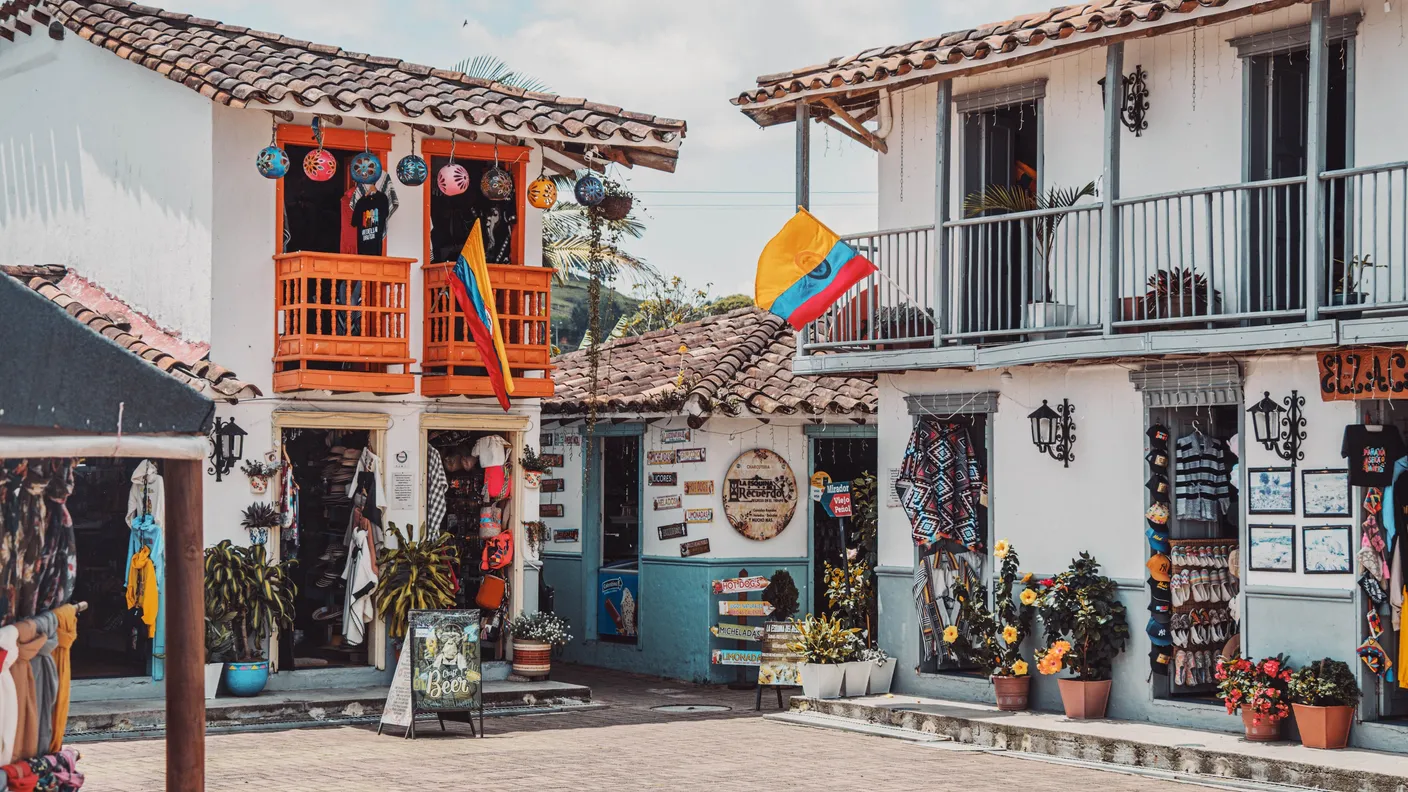
Location: Mirador Colina Iluminada, about a 15-minute walk uphill from Filandia’s main square
Don’t Miss: The woven baskets in the town center, still made by hand using local fibers
Tip: Entry to the tower is around COP 8,000 (about USD 3) for adults. Arrive an hour before sunset on a clear afternoon for the best light and the widest views.
4. Wander Salento’s Calle Real
Salento’s Calle Real is the town’s pedestrian-friendly main street, lined with artisan shops, cafes, and balconies draped in flags and flowers. It leads to the foot of a staircase, the Alto de la Cruz, which climbs to a viewpoint over the town and the Cocora foothills. Costing nothing but a little energy, it is the easiest way to feel the town’s rhythm.
Location: Calle Real (Carrera 6), running uphill from Salento’s main plaza
Don’t Miss: The climb up the colorful steps to the Mirador at Alto de la Cruz for a view over the valleys
Tip: Go early morning or late afternoon to beat the day-trip crowds that arrive from Armenia and Pereira. The shops here are a good place to buy coffee to take home.
5. Ride a Willys Jeep
The old Willys jeeps are a Coffee Region icon in their own right, left over from mid-century US surplus and now the workhorses that haul passengers, produce, and the occasional stack of furniture up impossibly steep roads. Riding one to Cocora or between towns, sometimes standing on the rear bumper, is half the fun of getting around here. On market days you may see the “yipao,” a competition to see how much a single jeep can carry.
Location: Salento’s main plaza is the main jeep stand; jeeps also run from Filandia, Armenia, and other towns
Don’t Miss: Hanging off the back rail on the ride out to Cocora, the classic Coffee Region photo
Tip: Short shared rides cost only a few thousand pesos, and the Cocora round trip runs about COP 12,000 (about USD 4). Our guide to getting around the Coffee Region covers routes and fares.
6. Soak in the Santa Rosa de Cabal Hot Springs
Fed by natural mineral water and set beside a waterfall, the thermal springs at Santa Rosa de Cabal are the region’s most popular soak and an easy way to recover after a hike. There are two developed complexes near the town, both with steaming pools of varying temperatures ringed by green hillsides. It gets busy on weekends and holidays, so a weekday visit is calmer.
Location: Termales de Santa Rosa de Cabal, in the hills above the town of Santa Rosa de Cabal, about 30 minutes from Pereira
Don’t Miss: The main pool below the floodlit waterfall after dark, when the steam rises against the night
Tip: Day passes run around COP 41,000 (about USD 13) for adults booked online on a weekday, rising to about COP 59,000 (about USD 19) at the gate or on weekends. Confirm the current rate on the official site before you go.
7. Unwind at Termales San Vicente
For a wilder, more forest-wrapped hot springs day, Termales San Vicente sits in a private reserve in the mountains between Pereira and Santa Rosa de Cabal. Alongside built pools, it has a natural thermal river where hot and cold water mix among the rocks, plus steam caves and walking trails. It feels more like a nature retreat than a resort, and it is a good pick if the Santa Rosa complexes feel too crowded.
Location: Termales San Vicente, a mountain reserve reached via Santa Rosa de Cabal or Pereira on an unpaved final stretch
Don’t Miss: The natural thermal river, where you find the spot that mixes to your ideal temperature
Tip: A day pass starts around COP 90,000 (about USD 28) for adults; packages with lunch and round-trip transport from Pereira cost more. The road in is rough, so reserve ahead and confirm transport when you book.
8. Climb Toward Los Nevados
For high-altitude drama, Los Nevados National Natural Park reaches into glacier-topped páramo above Manizales. Because Nevado del Ruiz has sat on volcanic alert for years, visitor access is limited to the lower Valle de las Tumbas sector at around 4,450 meters, but the moonscape of the páramo, the frailejón plants, and the thin cold air are still worth the trip. This is a guided outing, not a casual walk, and the altitude is demanding.
Location: Los Nevados National Natural Park, reached on a full-day trip from Manizales
Don’t Miss: The frailejones, the strange furry-leaved plants that carpet the páramo at altitude
Tip: Park entry for non-resident foreigners runs around COP 68,000 (about USD 22), plus mandatory ecotourism services and rescue insurance fees that bring the total closer to COP 95,000 (about USD 30). You must enter with an authorized guide, and operators must register your permit with National Parks several days ahead, so book well in advance and dress for near-freezing weather.
9. Meet the Butterflies at the Jardín Botánico del Quindío
The Jardín Botánico del Quindío, in Calarcá just outside Armenia, is best known for its giant butterfly house, a Colombia-shaped enclosure said to be one of the largest in the world, alive with hundreds of native butterflies. Beyond the mariposario, the garden has forest trails, a palm collection, an insect museum, and an observation tower. A full visit takes roughly two and a half hours.
Location: Jardín Botánico del Quindío, in Calarcá, about 15 minutes from Armenia
Don’t Miss: Standing still inside the butterfly enclosure until they land on you, which they often do
Tip: Adult entry is around COP 75,000 (about USD 24), or closer to COP 67,500 (about USD 21) booking online ahead; children pay about COP 35,000 (about USD 11). Wear closed shoes for the forest trails.
10. Spend a Day at Parque del Café
Parque del Café, near Montenegro in Quindío, blends a coffee-culture theme park with a full amusement park: a roller coaster, a log flume, cable cars over the plantations, a coffee show, and displays on the region’s growing heritage. It is squarely aimed at families and a fun, low-effort day if you are traveling with kids or just want a break from cobblestones and hiking.
Location: Parque del Café, near Montenegro, about 40 minutes from Armenia
Don’t Miss: The cable car ride, which floats you out over the coffee hillsides for the best views in the park
Tip: The all-access Pasaporte Múltiple costs about COP 99,000 (about USD 31) at the gate, or around COP 90,000 (about USD 28) booked online ahead. Horseback riding costs extra, and lines are shortest early on weekdays.
11. Play Tejo in Salento
Tejo is Colombia’s boisterous national sport: you throw a metal puck across a lane at a clay bank set with small packets of gunpowder, and a direct hit goes off with a satisfying bang. In Salento, Los Amigos is the classic spot to try it, a handful of lanes where staff will happily show first-timers the ropes. It is loud, unpretentious, and a genuinely fun way to spend an evening among locals.
Location: Cancha de Tejo Los Amigos, about a five-minute walk from Salento’s main plaza
Don’t Miss: The moment your puck actually sets off the gunpowder and the whole room reacts
Tip: Playing tejo is traditionally free as long as you buy drinks, with beers around COP 3,500 (about USD 1.10) each. Go in the evening when the lanes fill up, and expect a few explosions before you find your aim.
12. Visit the Hummingbirds at Acaime
Tucked at the top of a steep side trail off the Cocora loop, the Acaime reserve is a small mountain refuge where dozens of hummingbirds swarm the feeders hung around a rustic cafe. Reaching it means an uphill push of around 45 minutes to an hour from the main valley floor, through dense cloud forest and across a series of log-and-cable bridges over the river, but the reward is close-up views of several hummingbird species at once.
Location: Reserva Natural Acaime, reached on a signed uphill branch of the Cocora Valley hike
Don’t Miss: Sitting with a hot drink as the hummingbirds hover inches from your face
Tip: Entry is around COP 20,000 (about USD 6) and includes a hot chocolate or coffee, which most hikers welcome after the climb. Build the detour into a full Cocora loop rather than treating it as a quick stop.
13. Climb the Manizales Cathedral Tower
Manizales sits high on a ridge, and its Catedral Basílica de Nuestra Señora del Rosario is the tallest cathedral in Colombia, a soaring neo-Gothic landmark on the main plaza. A guided climb up the main tower, known as the Corredor Polaco, leads to a viewing gallery with a 360-degree panorama over the city and the surrounding mountains. It is a steep haul up narrow spiral stairs, so it is not for anyone uneasy with heights or tight spaces.
Location: Catedral Basílica de Manizales, on Plaza de Bolívar in the city center
Don’t Miss: The view from the gallery at nearly 96 meters, taking in Manizales spilling down its ridge
Tip: The guided ascent costs about COP 13,000 (about USD 4) for adults, with tours running roughly 9:30 AM to 6:30 PM. The climb is around 395 steps, so wear comfortable shoes.
14. Live the Coffee Culture at RECUCA
RECUCA, short for Recorrido de la Cultura Cafetera, is an interactive coffee experience in rural Calarcá that leans into the human side of coffee. You dress in traditional picker’s gear, head into the plantation to harvest cherries, follow the beans through processing, and learn the region’s history and customs, often with plenty of humor from the guides. It is more hands-on and playful than a standard finca tour.
Location: RECUCA, in the countryside near Calarcá, about 20 minutes from Armenia
Don’t Miss: Suiting up as a chapolera or arriero and actually picking coffee on the hillside
Tip: The full experience costs around COP 60,000 (about USD 19) and lasts about three hours, with the last entry usually around mid-afternoon. Reserve ahead, especially in high season.
15. Slow Down in Pijao and Buenavista
To escape the crowds entirely, head for the smaller Quindío towns south of Armenia. Pijao is a founding member of Colombia’s Cittaslow “slow town” movement, a tranquil grid of painted houses where life moves at walking pace. Nearby Buenavista is a tiny hilltop village famous for its coffee and its sweeping viewpoints over the valleys. Neither has the polish or the services of Salento, and that is precisely the appeal.
Location: Pijao and Buenavista, in southern Quindío, reached by bus or jeep from Armenia
Don’t Miss: A slow coffee at a hillside cafe in Buenavista with the whole valley laid out below
Tip: These towns are best as a day trip or an overnight if you want real quiet; buses run from Armenia’s terminal. For deciding between finca stays and town bases, see our guide to where to stay in the Coffee Region.
Building Your Coffee Region Days
Most travelers can fold the essentials into two or three days: a coffee farm tour and the Cocora hike anchor the trip, and a hot springs afternoon or a second town rounds it out. Give yourself more time and the quieter entries on this list, the slow towns, the butterfly house, the páramo, start to shine. When you are ready to plan the logistics, our complete Coffee Region travel guide pulls together getting there, costs, and sample itineraries.