
Colombian food does not shout for attention the way some cuisines do. It wins you over slowly, through hearty plates, exceptional fruit, and the small daily ritual of a good cup of coffee. It is also deeply regional: what lands on your table in Bogotá can look nothing like what you eat on the Caribbean coast or in the Andean south. This guide walks first-time visitors through the dishes worth knowing, the fruits worth trying, and where different specialties come from, so you can order with confidence and eat well from your first day.
The Big Plates
Bandeja paisa is the dish most people picture when they think of Colombian food. Born in the Antioquia region around Medellín, it is an enormous platter built to fuel a day of farm work: beans, white rice, ground or shredded beef, a fried egg, plantain, chicharrón (fried pork belly), a slice of avocado, and an arepa, often with a length of sausage too. It is generous to the point of being a challenge. Come hungry, and do not plan on much afterward.
Ajiaco is Bogotá’s signature comfort food, a thick chicken and potato soup that leans on several native potato varieties and an herb called guascas for its distinctive flavor. It arrives with capers, cream, and a piece of corn on the cob to stir in yourself. On a cool Bogotá afternoon it is exactly right. Our Bogotá guide points to the neighborhoods where you will find it.
Arepas, Empanadas, and Street Food
The arepa is the everyday bread of Colombia, a round cake of ground corn, and it changes character as you travel. On the Caribbean coast the arepa de huevo is deep-fried with a whole egg cooked inside. In Antioquia the arepa is thin, plain, and used as a plate-side staple. In Cali and the southwest you will find the arepa de choclo made with sweet corn and often filled with melting cheese. None of them are quite like another, so try arepas in more than one region and notice the difference.
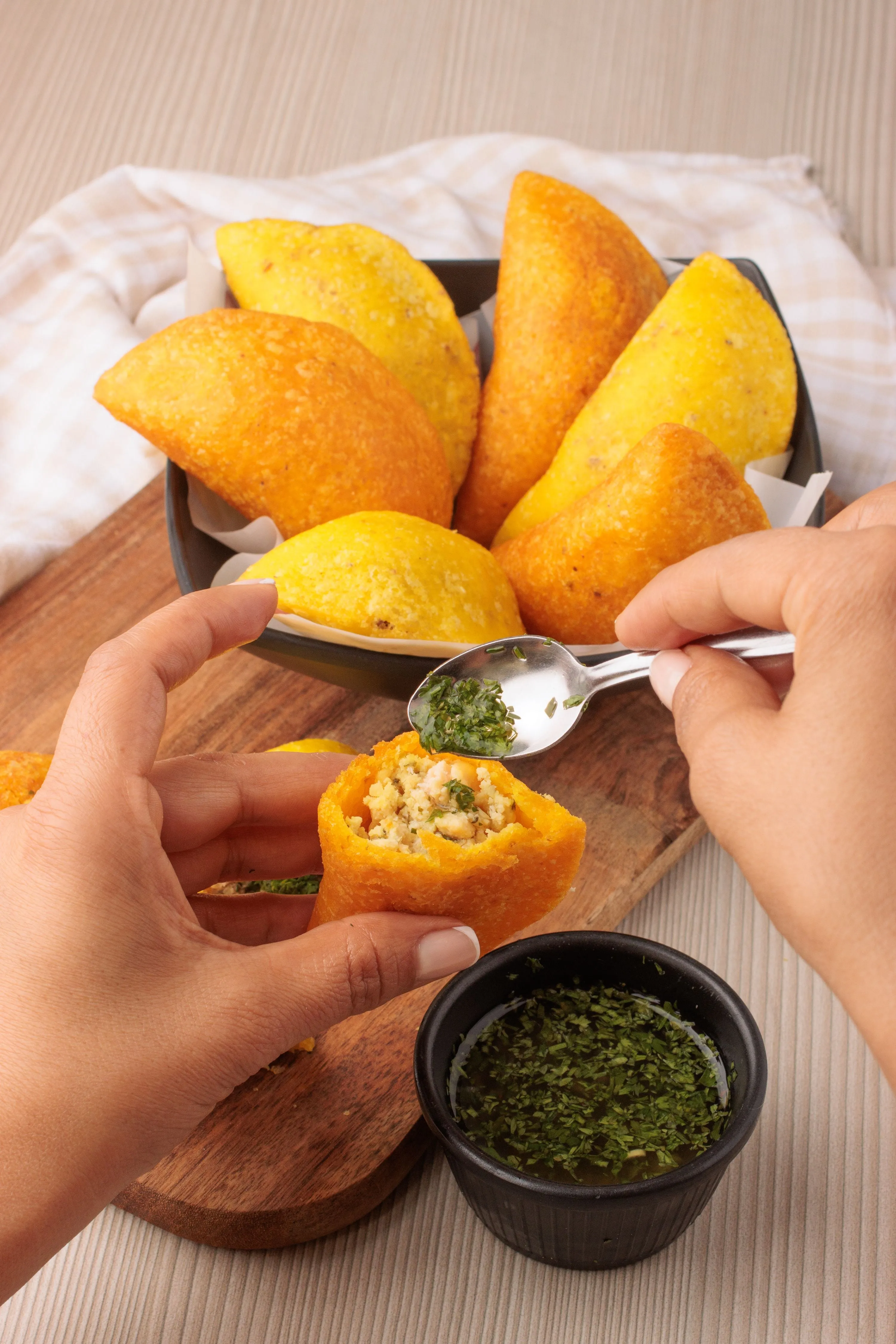
Empanadas are the other constant, corn pastries stuffed with seasoned potato and meat, fried crisp, and served with ají, a fresh chili and herb salsa you spoon on yourself. They are cheap, everywhere, and ideal for eating on the move. Colombian street food more broadly is a pleasure: buñuelos (fried cheese dough balls, especially around the holidays), pandebono and almojábana (cheesy breads), obleas (thin wafers sandwiching caramel-like arequipe), and grilled corn. As with street food anywhere, favor busy stalls with high turnover.
The Menú del Día
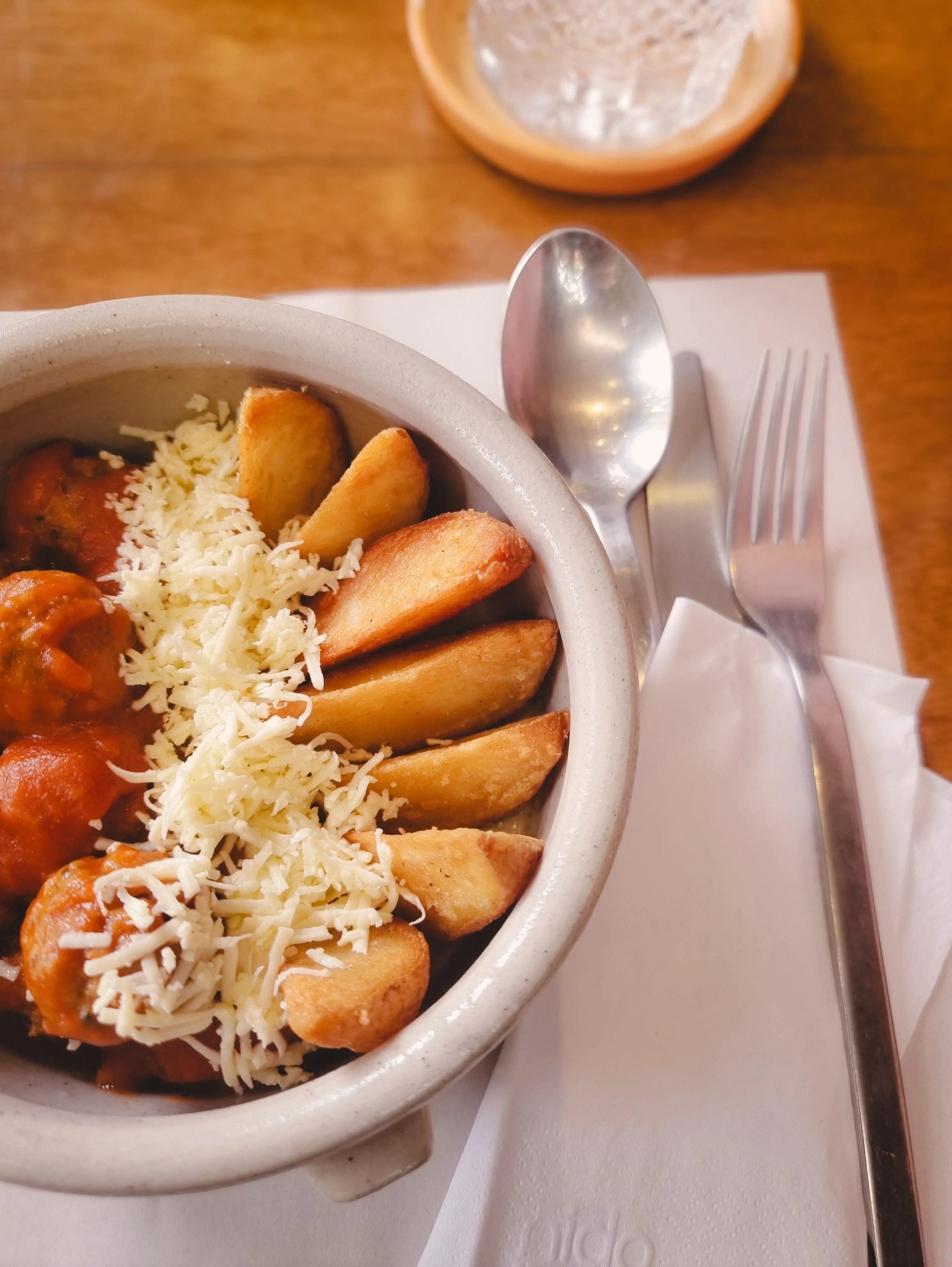
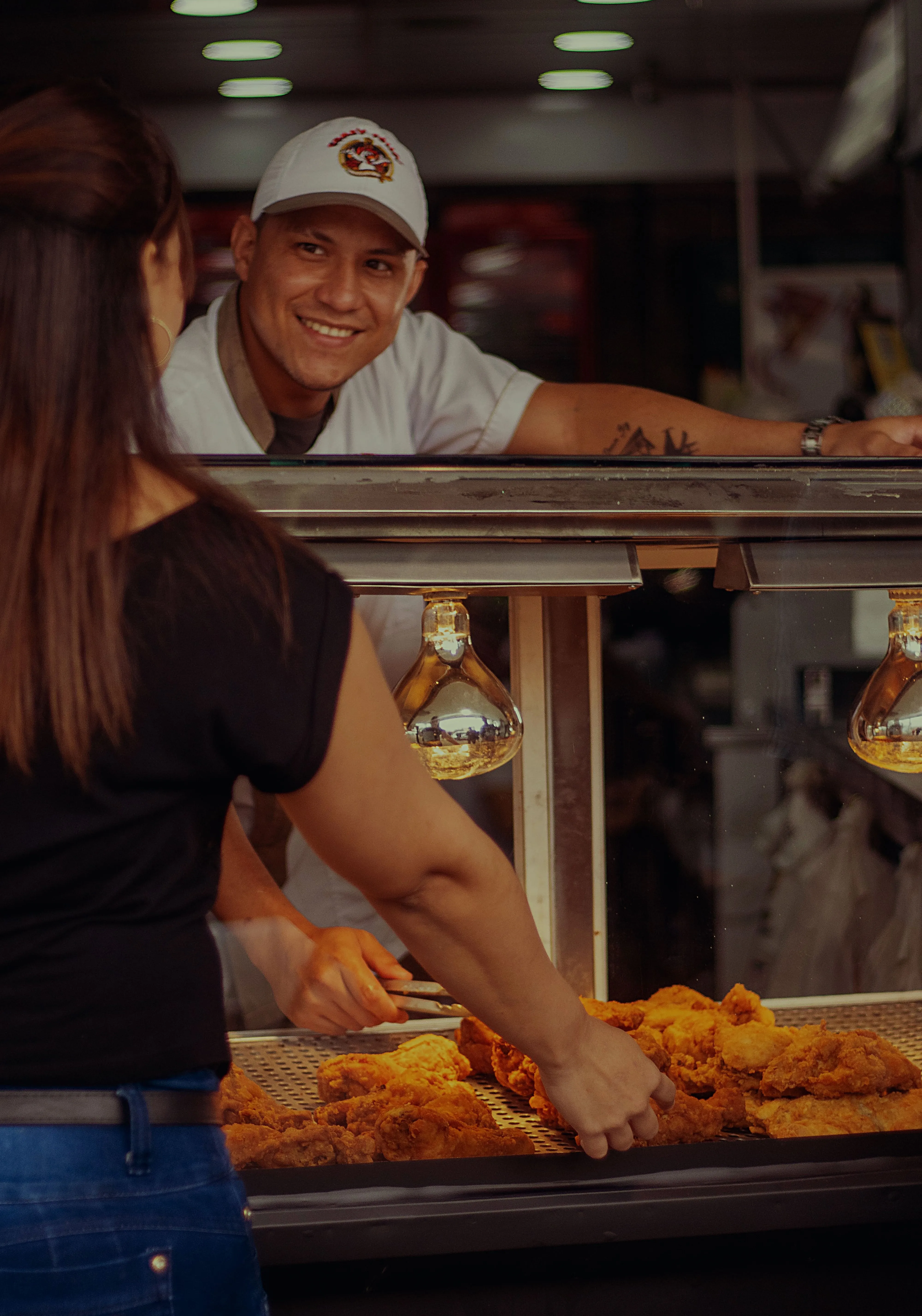
If you want to eat like a local and spend very little, learn to love the menú del día, the set lunch that powers the country’s working day. For a few dollars you get a bowl of soup, a main plate of protein with rice, beans or lentils, salad, and sometimes plantain, plus a fresh fruit juice, often with a small dessert. It is filling, home-style, and changes daily. Following the lunch crowd into a busy neighborhood spot is one of the simplest and most rewarding things you can do as a visitor, and it keeps your food budget remarkably low.
Fruit and Juices
Colombia’s tropical fruit is a highlight in its own right, and much of it will be unfamiliar. Seek out lulo, tart and citrusy and almost always drunk as a juice; guanábana (soursop), creamy and mild; maracuyá (passion fruit), intensely tangy; and feijoa, fragrant and a little floral, popular in the highlands. You will also meet granadilla, curuba, mangostino, zapote, and more, often at street carts and markets where a vendor will happily let you try before you buy.
The natural home for all this is the jugo, or fresh juice, blended to order either en agua (with water) or en leche (with milk). Ordering a lulo or maracuyá juice with lunch is a small daily joy, and it is a low-risk way to taste fruits you cannot name yet. If you have a delicate stomach on your first days, juices made with water from a purified source or made en leche are the safer bet.
Coffee Culture
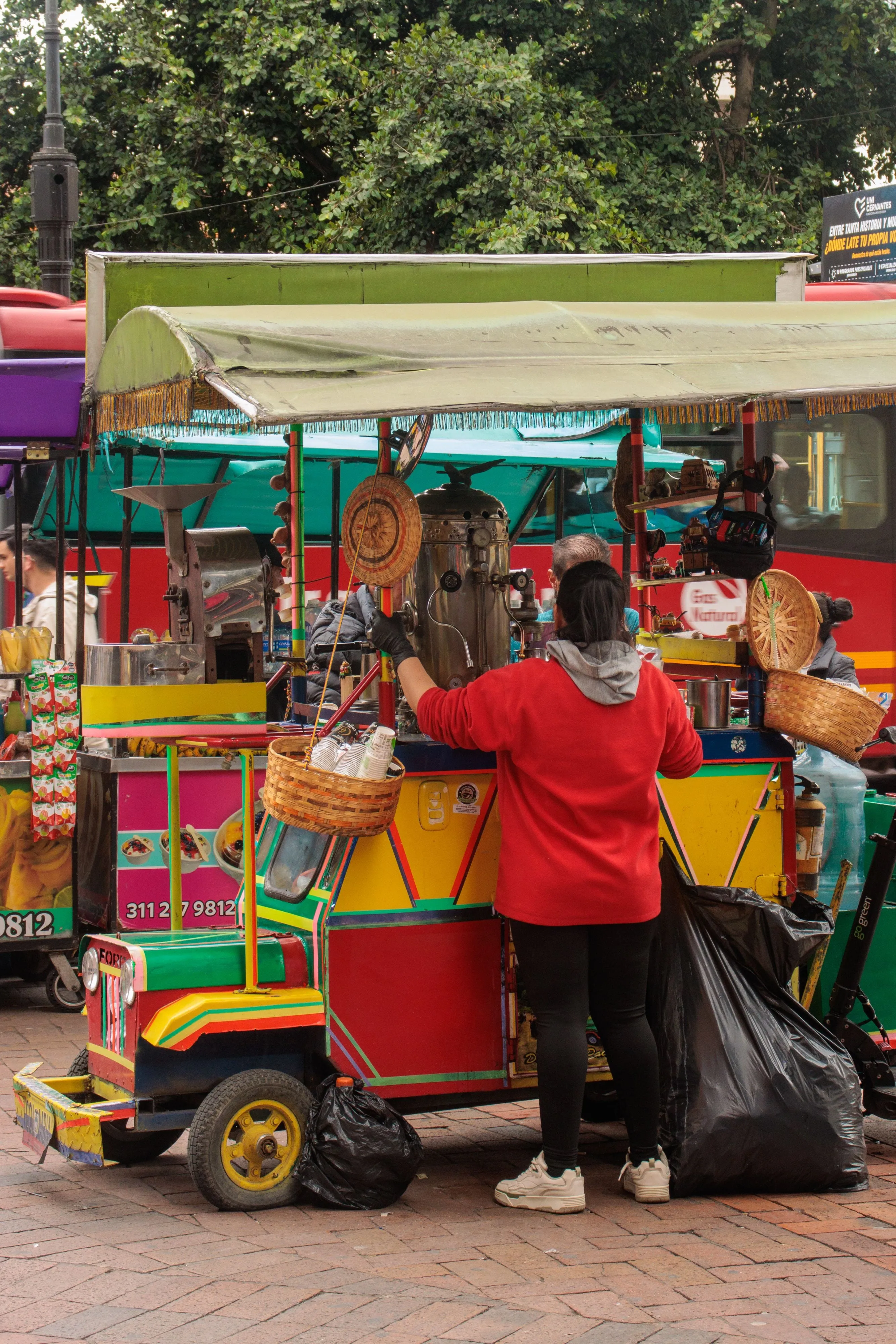
Colombia is one of the world’s great coffee producers, so it surprises visitors that the standard local cup, the tinto, is a small, black, often quite mild coffee sold everywhere from street vendors to offices. It is about the ritual and the caffeine more than the tasting notes, and it costs next to nothing. For years the best beans were exported, and everyday domestic coffee was an afterthought.
That has changed. A growing wave of specialty coffee shops in Bogotá, Medellín, and the Coffee Region now serves single-origin beans brewed with real care, letting you taste what Colombian coffee can really do. Trying both sides, a humble tinto from a cart and a carefully brewed pour-over from a specialty roaster, tells you a lot about the country. To go deeper, and even visit the farms, see our coffee culture experiences.
Regional Dishes Worth Seeking Out
Traveling around Colombia is the best way to eat well, because so many dishes are tied to place.
- Sancocho is a hearty soup or stew found across the country in regional variations, built on a base of vegetables and a meat such as chicken, fish, or hen, often served on weekends and at family gatherings.
- Lechona, associated with the Tolima region, is a whole pig slow-roasted and stuffed with rice, peas, and seasoned pork, then carved and served with a piece of crackling. It is a festive, celebratory dish.
- On the Caribbean coast, look for fresh seafood, fried whole fish, and arroz con coco, a slightly sweet rice cooked in coconut milk. It pairs beautifully with a beach lunch, and our Cartagena guide is a good companion for the region.
- Hormigas culonas, the famous “big-bottomed ants” of Santander, are a seasonal delicacy, toasted and eaten by the handful like nuts. They are a genuine local tradition and worth a try if you are curious.
A Note on Spice
One expectation to set aside: Colombian food is generally not spicy. It is hearty, savory, and satisfying, but chili heat is not built into most dishes the way it is in parts of Mexico or Southeast Asia. Instead, heat comes on the side in the form of ají, the fresh salsa left on the table for you to add as you like. If you want more kick, ask for extra ají; if you would rather keep things mild, simply leave it. Either way, come to Colombian food for its comfort and generosity rather than its fire, and you will not be disappointed.
Eating Well From Day One
You do not need a plan to eat well in Colombia. Follow the lunch crowd to a menú del día, order a fruit juice you have never heard of, work your way through the country’s many arepas, and say yes to the regional specialty wherever you happen to be. Do that, and the food will end up being one of the trip’s quiet highlights, one plate, one tinto, and one strange delicious fruit at a time.