
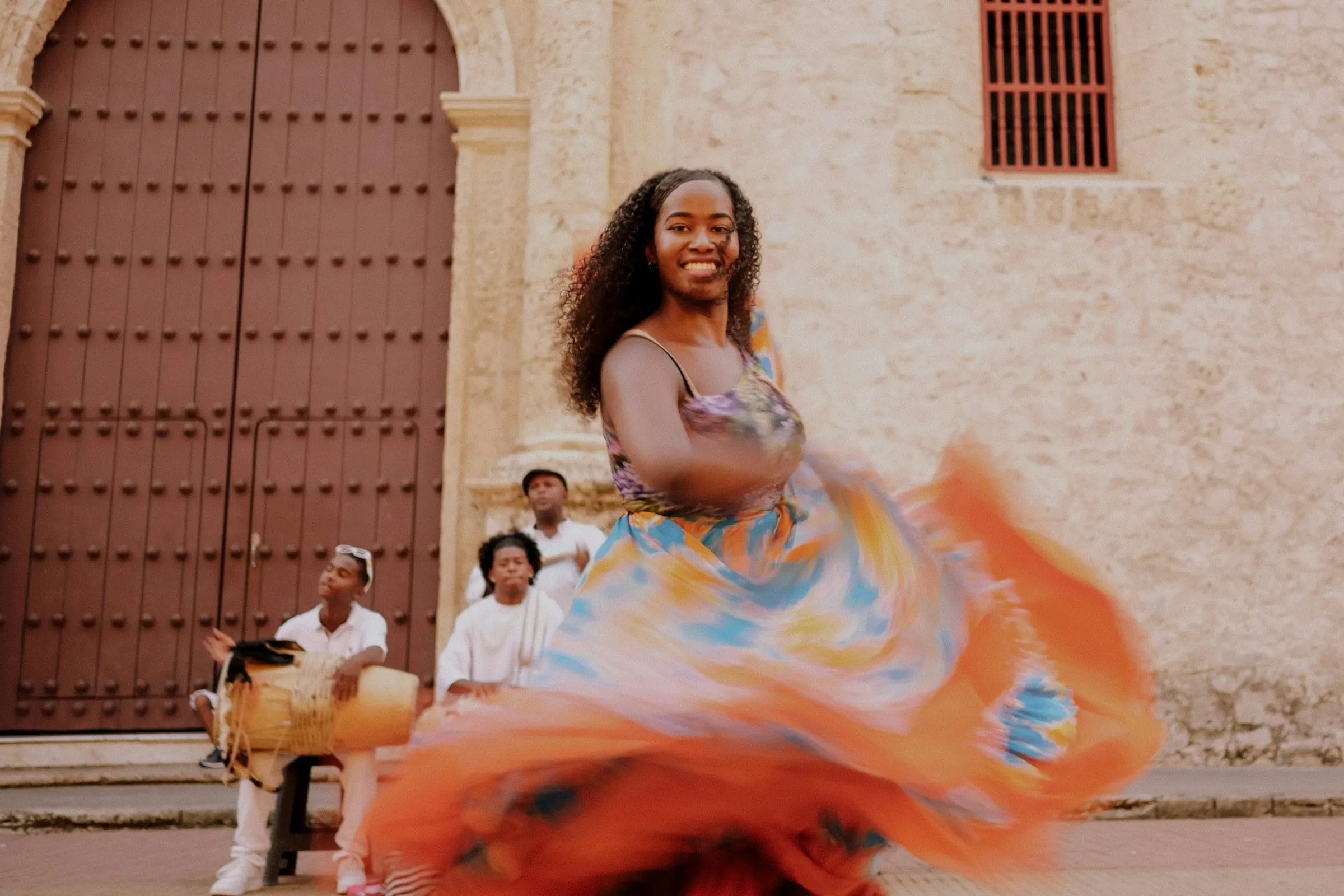
Ask when to visit Colombia and you will usually get a hedge: it depends. That is true, but it is not useful on its own. Colombia straddles the equator, which changes the rules you might be used to. There is no summer or winter here in the temperate sense. The year splits into wetter and drier stretches instead, and what really sets the temperature is altitude, not season. Once you understand those two ideas, and know which month does what in which region, the answer stops being vague and starts being specific.
Short Answer: When to Visit Colombia
The best time to visit Colombia is December through March, the main dry season, when the Caribbean coast is close to rainless and the Andes are at their clearest. July and August offer a second drier window in the Andes and the Amazon, and they are the only months for Pacific whale watching. September through November is the wettest and cheapest stretch, with October the wettest month almost everywhere in the country.
The rest of this guide breaks that down by month, by region, and by what you actually want to do.
Colombia’s Dry Season and Rainy Season Explained
Because Colombia is so close to the equator, daylight hours barely change across the year and the sun stays strong. What shifts is rainfall. Locals talk about verano (dry season, literally “summer”) and invierno (rainy season, literally “winter”), but these words describe rain, not temperature.
Most of the country runs on two dry spells and two wet ones. December through March is the main dry season. A shorter dry dip lands in July and August, often called the veranillo, or “little summer.” The wet spells fall roughly in April and May, and again from September through November.
One important caveat, because it is the thing most guides get wrong: the July and August dry window is an Andean and interior pattern, not a national one. In Cali, July is the driest month of the entire year. Bogotá and Medellín both see a clear midyear dip. The Caribbean coast does not follow this at all. Cartagena in July and August is well into its wet half, close to its annual peak, and nothing like the bone-dry coast of February. If you are heading to Cartagena or Santa Marta and you read that “July is dry in Colombia,” that advice does not apply to you.
Colombia’s geography is dramatic, and weather can vary from one valley to the next. Treat any calendar as a starting point and check conditions for your specific destinations close to your travel dates.
Altitude, Not Season, Sets the Temperature
The single most useful thing to pack for is elevation. Colombia’s cities sit at wildly different heights, and that determines whether you need a fleece or a swimsuit.
- Bogotá sits at around 2,600 meters. Days are mild and nights are genuinely cold, so bring layers and a warm jacket even in the driest months. See our Bogotá guide for more on what the capital is like day to day.
- Medellín sits lower, in a valley famous for its steady spring-like climate, comfortable in a t-shirt most of the year. Our Medellín guide has more.
- Cartagena and the rest of the Caribbean coast are hot and humid year-round. Light clothing, sun protection, and a tolerance for afternoon heat are the essentials. Our Cartagena guide covers the coast in detail.
- The Coffee Region and other mid-altitude areas land in a pleasant middle, warm days and cool evenings.
Because temperature tracks altitude rather than the calendar, you can experience several climates in a single trip without waiting for a season to change. A morning in cool Bogotá and an evening on the warm coast can happen on the same day. Colombians even have names for these thermal zones: tierra fría (cold land) in the high mountains, tierra templada (temperate land) at middle elevations, and tierra caliente (hot land) down toward sea level. Keeping that in mind while you plan is far more useful than watching the calendar, and it is why a packing list for Colombia usually needs both a warm layer and beachwear.
The Best Time to Visit Colombia Month by Month
Colombia in January
The strongest all-round month. The Caribbean coast is in the heart of its dry season and sees almost no rain at all, and Bogotá is at its driest of the entire year. The Andes are clear, hiking is reliable, and coffee farms are easy to reach. The one catch is the first week or so, when Colombian families are still traveling for the New Year and prices stay high. From roughly mid-January, crowds thin while the weather stays excellent. The Amazon is at high water, so expect to explore by boat rather than on foot.
Colombia in February
The driest month on the Caribbean. Cartagena and Santa Marta are close to rainless, and San Andrés is heading into its driest stretch too. The Andes remain mostly dry. Barranquilla Carnival often falls in February, which is a spectacular reason to come and a firm reason to book months ahead. Note that Parques Nacionales closes Tayrona National Park for a fortnight at the start of February for ecological recovery and for Kugkui Shikasa, a period of spiritual renewal for the Indigenous communities of the Sierra Nevada. In 2026 that closure ran February 1 to 15.
Colombia in March
Still dry and still excellent on the coast, with San Andrés at its driest of the year. Rain starts creeping back into the Andes toward the end of the month, usually as afternoon showers rather than washouts. March is often the sweet spot for value in the dry season: the weather is nearly as good as January, but the holiday premium has gone. Watch the church calendar, because Semana Santa sometimes falls in late March and changes everything about pricing.
Colombia in April
A month of transition, and the first genuinely wet month in the Andes. Bogotá, Medellín, and Cali all climb sharply toward their annual rainfall peaks. The Caribbean coast is still fairly dry early on but begins to turn. Semana Santa, the week before Easter, usually falls in April and is one of the two busiest travel weeks of the Colombian year. Easter moves annually, and in 2027 it falls on March 28, which pulls that whole week back into March.
Colombia in May
One of the wettest months in the Andes, with Medellín near its yearly peak, and the Caribbean rainy season now properly underway. This is also one of the quietest and cheapest months to travel. If you can accept a heavy shower most afternoons, May buys you low prices, thin crowds, and countryside that is spectacularly green. Cloud forest and the Coffee Region look their best under this much water.
Colombia in June
Rain begins easing in the Andes as the veranillo approaches. In the Amazon the water is dropping and forest trails start opening up, which makes June the beginning of the better hiking window down south. Pacific whale season starts toward the end of the month as the first humpbacks arrive. Colombian school holidays begin midyear, so domestic travel picks up and coastal towns get busier than the weather alone would suggest.
Colombia in July
The heart of the veranillo. July is the driest month of the year in Cali, and both Bogotá and Medellín see a distinct dip in rainfall, so the Andes are a strong bet. The Amazon is near its lowest water, which is the best time for walking the forest floor. Whale season is underway on the Pacific. Be clear-eyed about two things, though: the Caribbean coast is not dry in July, and the Pacific is at its wettest during whale season, so bring genuinely waterproof gear to Nuquí or Bahía Solano.
Colombia in August
Much like July, and one of the best months for the interior. The Andes stay in their drier dip, and the Amazon is still at low water. This is peak whale season on the Pacific coast, and also the Pacific’s single wettest month. Feria de las Flores takes over Medellín for around ten days at the start of August, filling the city and its hotels, so book early if you want to be there for the silleteros. The Caribbean remains in its wetter half.
Colombia in September
Rain returns in earnest across the Andes and builds on the Caribbean. Whale season is winding down but still running through the month. What September offers is value and space: this is the start of the quietest stretch of the Colombian year, and the popular colonial towns feel genuinely calm. If your priority is avoiding crowds rather than avoiding rain, this is your month.
Colombia in October
The wettest month of the year in Bogotá, Medellín, Cartagena, Santa Marta, and San Andrés alike. That makes it the least predictable month to build a trip around, and the cheapest. Whale season closes out early in the month. Tayrona closes for the last of its three annual rest periods in late October, running October 19 to November 2 in 2026, so check before you plan around it. October is a fine month for cities, museums, food, and nightlife, and a poor one for multi-day hiking.
Colombia in November
Still wet, especially on the Caribbean, though the Andes start drying toward the end of the month. Prices remain low and crowds stay thin right up until the December holidays begin. Late November is quietly one of the better value windows of the year, because the dry season is arriving while the high-season pricing has not.
Colombia in December
The dry season returns and the country turns festive. The Caribbean dries out quickly, and the Andes clear. Medellín and Bogotá light up with alumbrados, the Christmas light displays that draw domestic visitors by the thousand, and Feria de Cali closes out the year in the salsa capital in late December. The trade-off is cost: from roughly December 15, Colombians travel domestically in huge numbers, and flights and hotels are at their most expensive. Early December, before that rush, is excellent.
The Best Time to Visit Each Region
The Caribbean Coast
Cartagena, Santa Marta, and Tayrona are at their best from December into March, and the dry season here is unusually sharp: January through March sees close to no rain at all. This is prime beach weather and also the busiest and priciest stretch. The wetter months from about September bring heavy afternoon downpours, though mornings often stay bright. Remember that the July veranillo does not reach this coast.
The Andes
Bogotá, Medellín, and the Coffee Region follow both dry windows, December to March and July to August. Rain here tends to come as afternoon showers rather than all-day storms, so even in a wetter month you often get productive mornings. Hiking and coffee-farm visits are most reliable in the drier stretches. Our Coffee Region itinerary works in any month, but it is smoother in these.
The Coffee Region
Mid-altitude and green year-round, which is the point. The drier windows give you more reliable views of the valleys and easier walking at Cocora, while the wet months deliver the lushness the region is famous for. Coffee harvests vary by farm and altitude rather than following one national calendar, so any month can include a working harvest somewhere.
The Pacific Coast
One of the wettest places on earth, lush and remote, and wet in every month without exception. Its headline draw is humpback whale season, which runs roughly July into October. Those are also the wettest months of the Pacific year, so the choice is not whether to get rained on but whether the whales are worth it. Most people find they are. Our guide to the current whale season covers dates, costs, and travel advice before you commit.
The Amazon
Around Leticia, the Amazon is humid and rainy essentially all year, but it has two distinct modes. Low water runs roughly June through August, when trails are walkable and hiking is the main way to see the forest. High water runs from around December to April, when much of the forest floods and you explore by boat through the canopy instead. Neither is better. Choose based on whether you want to walk or paddle. Our nature and wildlife pages have more on what lives there.
The Best Month for What You Want to Do
Whale Watching
July into October, no exceptions, with August the most reliable single month. Book early, since Nuquí and Bahía Solano have limited access and limited beds.
Beaches and Islands
December through March for the Caribbean mainland, and February and March for San Andrés, which is at its driest then. Avoid October, when the islands take their heaviest rain of the year. Our beaches and islands page covers where to go.
Hiking and Trekking
December through March, or July and August. Both dry windows give reliable footing in the Andes, and July and August are the only sensible months for walking in the Amazon. Multi-day treks in October are a gamble.
Festivals and Nightlife
February for Barranquilla Carnival, August for Feria de las Flores in Medellín, and late December for Feria de Cali. If music and movement are the draw, our dancing experiences page is a good place to start.
Avoiding Crowds and Saving Money
September through early November, and May. These are the wettest months and the cheapest, and the difference in how the busiest towns feel is dramatic.
High Season, Low Season, and Prices
Two periods reliably push up prices and crowds across Colombia. The first is the Christmas and New Year stretch from around December 15 into early January, when Colombians travel domestically in large numbers. The second is Semana Santa, the week leading up to Easter, when the whole country is on the move and coastal and colonial towns fill quickly. Midyear school holidays in June and July nudge demand upward too.
During these windows, flights and hotels cost noticeably more, popular tours sell out, and towns like Cartagena get busy. None of that means you should avoid them, because the atmosphere during a holiday can be wonderful. It just means booking early and budgeting for higher rates. Arrivals have been climbing year on year as well, which is why the popular places feel busier than older guidebooks describe, and our look at Colombia’s record tourism year covers what that changes about timing a trip. If you want lower prices and thinner crowds, the shoulder weeks on either side of these peaks are your friend. For what those rates look like in practice, see our breakdown of how much a trip to Colombia costs.
Timing Your Trip Around Festivals
Colombia’s calendar is full of festivals, and catching one can be the highlight of a trip. The three biggest:
- Barranquilla Carnival is one of the largest carnivals in the world, a riot of music, costume, and dance staged in the days running up to Lent. It moves with the church calendar, usually landing in February or early March.
- Feria de las Flores transforms Medellín for about ten days at the start of August, best known for the silleteros who parade with enormous arrangements of flowers on their backs.
- Feria de Cali closes out the year in the salsa capital in late December, with dancing in the streets and a citywide party atmosphere.
Because several of these dates move from year to year, confirm the current schedule before you commit flights. Whenever you visit, remember that big events bring big crowds, so keep an eye on your belongings and read our safety guidelines before traveling.
So When Should You Go?
If you want the simplest answer: December through March suits most first trips, and January is the single strongest month. Choose July or August instead if you are heading for the Andes, the Amazon, or Pacific whale watching. Take September through November if price and quiet matter more to you than dry afternoons.
The deeper truth is that Colombia works year-round because you can chase the climate you want by choosing where you go. Pick your regions first, match them to their drier windows, decide how you feel about festival crowds, and pack for altitude rather than for a season. Do that, and almost any month can be the right time to come. Once you know when you are going, our one-week, 10-day, and 2-week itineraries are a good place to start shaping the route.
Sources
- World Meteorological Organization: climatological normals for Bogotá, supplied by IDEAM, Colombia’s Institute of Hydrology, Meteorology and Environmental Studies. The wettest and driest months named throughout this guide come from this dataset, which covers the 1971 to 2000 reference period. Seasonal patterns are stable across reference periods, but treat month-to-month detail as a guide rather than a forecast.
- World Meteorological Organization: climatological normals for Cartagena
- El Tiempo: Tayrona National Park closes to the public February 1 to 15, 2026 (January 31, 2026)
- Carnaval de Barranquilla: official site
Frequently Asked Questions
What is the best month to visit Colombia?
January is the strongest single month. The Caribbean coast is at its driest, Bogotá sees less rain than in any other month, and the Andes are reliably clear. Prices settle down after the first week or so, once Colombian families finish their own holidays and go home.
What is the best time of year to visit Colombia?
December through March is the main dry season and suits most first trips. July and August give you a second drier window in the Andes, and they are the right choice if you want Pacific whale watching or the lowest water in the Amazon.
When is the rainy season in Colombia?
Most of the country has two wet spells rather than one: roughly April to May, and again from September to November. October is the wettest month in Bogotá, Medellín, Cartagena, Santa Marta, and San Andrés alike, so it is the least predictable month to plan around.
Is July a good time to visit Colombia?
It depends entirely on where you are going. July is excellent for the Andes and the Amazon and it is the start of Pacific whale season. It is not a dry month on the Caribbean coast, which is well into its wetter half by then, despite July being called a dry month nationally.
Does Colombia have a summer?
Not in the temperate sense. Colombia sits on the equator, so daylight and temperature barely shift across the year. Colombians use verano, literally summer, to mean the dry season and invierno, winter, to mean the rainy season. Both words describe rain, not heat.
What is the cheapest time to visit Colombia?
September through early November is the cheapest stretch, along with May. These are the wettest months, so flights and hotels are at their lowest and the busiest towns feel calm. Rain usually arrives as heavy afternoon downpours rather than all-day gloom.
When can you see whales in Colombia?
Humpbacks are on the Pacific coast from roughly July into October, with the middle of that window most reliable. Plan for Nuquí or Bahía Solano and book early, because access is limited. Expect heavy rain: the Pacific is wettest during exactly these months.
What is the best time to visit Cartagena?
December through March. Cartagena's dry season is unusually sharp, and January through March are close to rainless. The trade-off is that this is also the busiest and most expensive stretch on the coast, so book accommodation well ahead.