
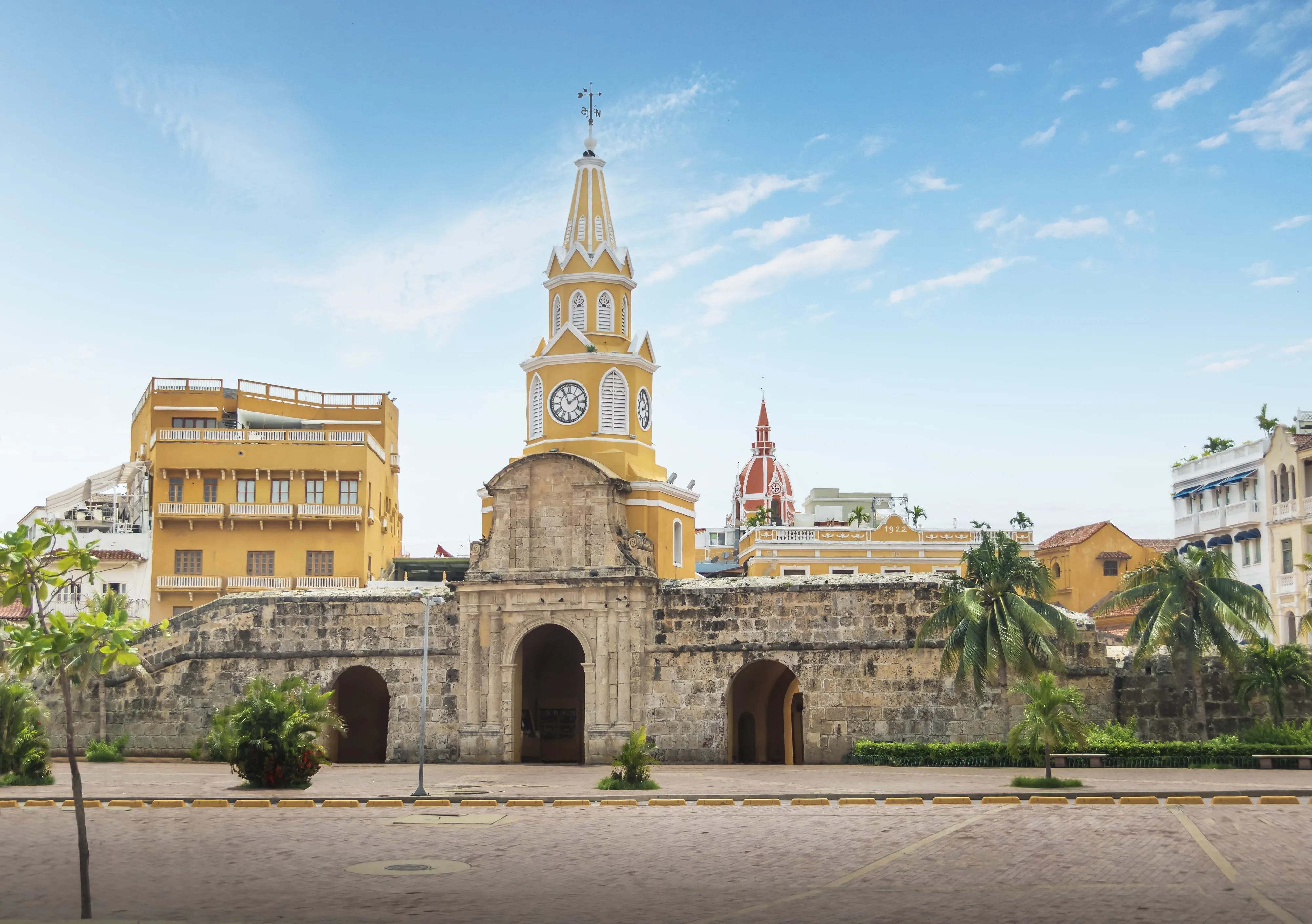
Two things about Colombia are true at the same time, and travelers rarely hear both. The first is that more people are visiting than ever, and the country is collecting international recognition at a pace it has not seen before. The second is that several departments remain under travel advisories that have not softened. Neither fact cancels the other out, and anyone planning a trip is better served by holding both than by picking whichever one suits the story they already believe.
Here are the numbers, the recognition, and what actually changes about how you plan.
The Numbers
Colombia received 1,584,378 non-resident visitors in the first quarter of 2026, according to Migración Colombia figures processed by the trade and tourism ministry. In March alone, 541,720 non-resident visitors arrived, of whom 419,150 were foreign, a rise of 6.7 percent against March of the previous year.
Two other figures are worth pulling out. Cruise arrivals grew 41.2 percent to 58,186 passengers, a segment that lands overwhelmingly in Cartagena and Santa Marta. And in February 2026, international air arrivals were up 11.9 percent year on year, which is the number that most directly explains why popular places feel busier.
The Recognition
The awards season has been kind. At the South America World Travel Awards, Colombia picked up 52 nominations spread across destinations, attractions, hotels, operators, and brands, with Tayrona National Natural Park, the Las Lajas Sanctuary, and Bogotá, Medellín, and Cartagena among the entries. On July 17, 2026, Colombia was nominated for Most Desirable Country Worldwide at the Wanderlust Reader Travel Awards, with winners due to be announced on November 4 at World Travel Market in London.
More substantially than any award, the OECD’s Tourism Trends and Policies 2026 report includes a Colombia chapter examining the country’s tourism policy, including its work to develop tourism in areas affected by the armed conflict. That is a considerably drier document than an awards ceremony, and a more meaningful signal of where the sector is heading.
Growth and Advisories, Side by Side
None of the above changes the travel advice. As of July 2026, the UK Foreign, Commonwealth and Development Office advises against all but essential travel to a list of specific areas, including parts of Chocó, western Valle del Cauca including Buenaventura, western Cauca, Arauca, and stretches of the Venezuelan and Ecuadorian border regions. Canada’s advisory, updated July 9, 2026, sets Colombia at “exercise a high degree of caution” overall, with “avoid all travel” and “avoid non-essential travel” ratings for a number of departments.
What the growth figures tell you is where people are going: Cartagena, Medellín, Bogotá, the Coffee Region, the Caribbean coast. What the advisories tell you is which areas the governments issuing them consider high risk, and those areas are largely not the ones the arrivals data is describing. Rising visitor numbers are not evidence that an advisory-covered region has become safe, and we would not present them that way. Read the current advisories alongside our Colombia safety guidelines, and plan from both.
What It Means for Your Trip
Book the pinch points earlier. Cartagena in high season, Tayrona, and the Coffee Region’s better fincas are the places where growth shows up first as sold-out inventory. Christmas through New Year and Semana Santa are the tightest weeks of all.
Mind the caps. Tayrona limits daily visitor numbers and can sell out at peak times, which is a very different constraint from a busy hotel market. Arrive early at the main entrance or plan around it.
Shoulder weeks are doing more work than they used to. The weeks on either side of the December to March peak still deliver good weather in much of the country at noticeably lower rates and with thinner crowds. Our guide to the best time to visit Colombia breaks the windows down by region.
Consider the places the crowds have not found. Santa Marta as a base for the Sierra Nevada, Jardín and the smaller Antioquian coffee towns, and Barichara in Santander all absorb visitors more comfortably than Cartagena’s old town does in January. Our guide to Santa Marta is a good starting point for the Caribbean alternative.
Budget for a slightly more expensive country than the guidebooks describe. Costs have moved with demand in the popular places, though Colombia remains good value by regional standards. Our cost of traveling in Colombia breakdown has current daily tiers in pesos and dollars.
The short version: Colombia is having a genuinely good run, the busy places are busier than they were, and the parts of the country under advisories are still under advisories. Plan for all three.
Sources checked July 24, 2026.
Sources
- Semana: MinCIT figures on international tourist arrivals to Colombia, 2026
- La FM: Colombia consolidates international tourism growth with a 6.7 percent rise in March 2026 arrivals
- OECD: Colombia chapter, Tourism Trends and Policies 2026
- Colombia One: Colombia earns Wanderlust travel nomination, July 17, 2026
- Colombia One: Colombia receives 52 nominations at the 2026 World Travel Awards
- UK FCDO: Colombia regional risks
- Government of Canada: Colombia travel advice